


 Vietnam, US Trade Deal Could Be Signed Soon, To Lam Says
  France Debt-to-GDP Ratio Seen Hitting Record 119.3% in 2026
  UK Home Asking Prices Rise for First Time Since May
  US-China Talks Target AI, Tariffs Ahead of Trump-Xi Summit
  U.S. Dollar Hits Eight-Week High After Fed Rate Hike
  S&P 500 Historically Rallies After Midterm Elections, UBS Says
  Wall Street Mixed as Treasury Yields Rise After Fed Hike
  Europe Jet Fuel Deficit Drives South Korean Imports to Four-Year High
  Oil Prices Rise as Houthi Strikes on Riyadh Fuel Middle East Tensions
  South Korea to Brief Lawmakers on $350 Billion US Investment Package
  Yen Weakens as Dollar Gains on Widening US-Japan Rate Gap
  Fed Rate Hike Threatens Housing as U.S. Growth Leans on AI, Citi Says
  Bolivia Approves $1.9 Billion IMF Financing Deal
  Strait of Hormuz Oil Shipments Hit Six-Month High as U.S. Clears Mines
  Gold Prices Hold Steady Ahead of Trump-Xi Summit, Middle East Risks
  Oil Prices Rise as U.S.-Iran Talks Fuel Diplomacy Hopes
  Vietnam Stocks Join FTSE Emerging Market Indexes, Unlocking Billions in Foreign Investment


 Add as a preferred source on Google
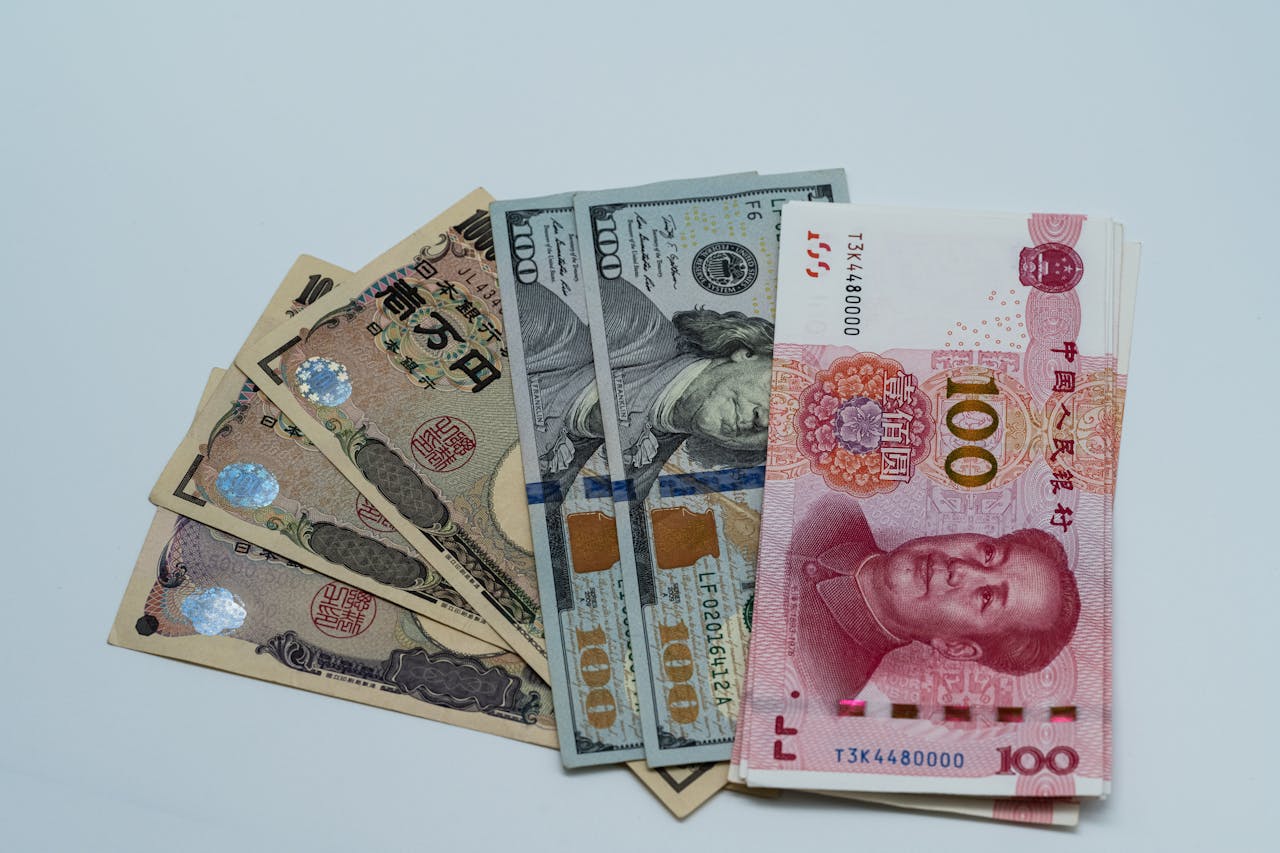
The Japanese yen continued to struggle on Wednesday, slipping further as investors remained focused on the widening interest rate gap between Japan and other major economies. Despite expectations that the Bank of Japan (BOJ) will tighten monetary policy next week, the yen hovered near 156.82 per dollar after a sharp 0.6% decline the previous session, showing no clear catalyst for the move. The currency also stayed pinned near a record low against the euro, while the Australian dollar maintained its strong performance against the yen following Tuesday’s gains.
Analysts attribute the yen’s vulnerability to rising long-term U.S. yields and ongoing concerns about Japan’s fiscal outlook. Alex Hill of Electus Financial noted that market sentiment continues to pressure the yen and suggested further weakness may extend into the new year. He added that crosses such as kiwi/yen and Aussie/yen appear well positioned for additional upside. Although the BOJ is expected to raise interest rates, investors are watching closely for signals from Governor Kazuo Ueda regarding the bank’s future policy direction, particularly as Japan weighs new fiscal measures that complicate its already delicate economic landscape.
Broader currency markets traded cautiously ahead of the U.S. Federal Reserve’s policy announcement. A 25-basis-point rate cut is widely expected, keeping the dollar stable with the dollar index holding at 99.23. The euro traded near $1.1625, while sterling edged slightly higher to $1.3301. Market participants will be closely analyzing Fed Chair Jerome Powell’s comments and the updated dot plot, which may offer clues about rate cut expectations for 2026.
In the commodity-linked currencies, the Australian dollar traded at $0.6643 after nearing a three-month high on hawkish remarks from the Reserve Bank of Australia. The New Zealand dollar eased slightly to $0.5776. Investors remain attentive to U.S. economic data and shifting inflation expectations as central banks navigate diverging policy paths.







