


 US Stock Futures Steady as Investors Await Payrolls Data and Monitor Iran Tensions
  Firmus Partners With Nvidia to Deliver 170,000 AI GPUs in $30 Billion Cloud Infrastructure Deal
  Lenovo Shares Slide as AI-Driven Memory Demand Signals Higher DRAM and NAND Prices
  Momenta Launches Hong Kong IPO to Raise Up to $751 Million for AI and Robotaxi Expansion
  China Factory PMI Seen Returning to Growth in June as AI Export Demand Supports Economy
  Open-Source AI Models Gain Ground as Enterprises Seek Lower-Cost Alternatives, Citi Says
  Morgan Stanley Names BAE Systems Top European Defence Stock Despite Lower Price Target
  Europe Heatwave Creates Growth Opportunity for Carrier, Trane, and Johnson Controls, Citi Says
  Japan Targets 1%+ Real Economic Growth With ¥370 Trillion Investment Plan
  Trump Questions Housing Bill as He Prioritizes SAVE America Act
  Wall Street Futures Rise Ahead of JOLTS Data, Nike Earnings, and U.S.-Iran Talks
  Amazon Prime Day 2026 Sales Top $26.4 Billion as Shoppers Chase Discounts Amid Inflation
  China Manufacturing PMI Edges Higher in June as Exports and AI Investment Boost Growth
  Asian Currencies Stay Range-Bound as Investors Eye China Data, RBNZ Outlook and U.S.-Iran Ceasefire
  Asian Stocks End Strong Quarter as Dollar Surges, Yen Hits 40-Year Low Ahead of US Jobs Data
  UBS Raises TSMC Price Target to T$3,400 on Strong AI Chip Demand Outlook
  Argentina Economy Shrinks 1.5% in April, Recovery Under Milei Loses Momentum


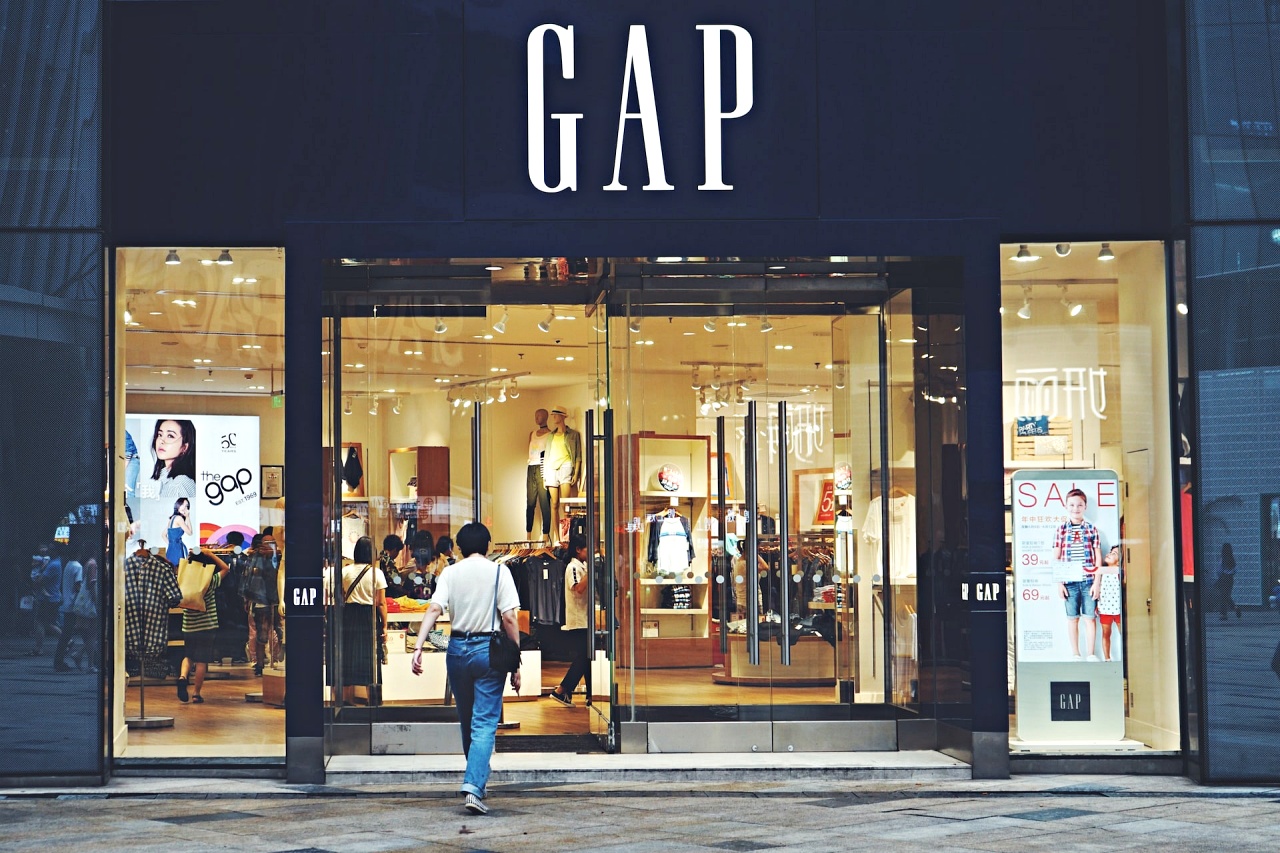
Gap Inc. clothing retail company based in San Francisco, California, is set to terminate a percentage of its workforce, and this was confirmed this week. The company will be laying off some 500 employees in its corporate unit as it continues to struggle amid sluggish sales.
As per Reuters, Gap will be getting rid of current open roles across its company departments. It was mentioned that job elimination mostly affects its offices in New York, San Francisco, and Asia.
The global apparel brand revealed its decision to cut job posts on Tuesday, Sept. 20. It said that there is a need to do this so it can protect margins as well as combat the slow sales of outdated clothing items, including in its Old Navy brand stores.
Gap is also currently in the middle of a management transition after its chief executive officer stepped down earlier this year. Sonia Syngal made her exit, and she was replaced by Bob Martin as interim chief. He has been serving the company as executive chairman and now temporarily leading the firm.
The clothing brand has a total of 97,000 staff as of the end of January this year. As stated in a regulatory filing, about nine percent of the workforce are stationed at the company’s headquarter locations.
In any case, CNN Business reported that the latest layoffs are an added problem that Gap is facing these days. A source who is familiar with the matter said that the job terminations have already started recently.
The report of the job cuts comes just a few months after Gap posted weak earnings in the first quarter, with sales on a decline at its flagship brand and Old Navy store chain. On top of the issues with sales, the company is also in search of a permanent leader to take over the CEO role from Martin.
GlobalData, a British data analytics and consulting company, noted that the layoffs actually make sense due to Gap’s weak sales and diminishing retail footprint. He pointed out that Old Navy is no longer a strong brand compared to the past.
“Traditionally, Gap could rely on its Old Navy banner to cover some of the sluggishness in other parts of the business,” Neil Saunders, GlobalData’s managing director, wrote in an analyst note.
“However, with the division suffering from supply chain issues and softening demand from the family segment, the whole company is very exposed and needs to take tougher actions to appease investors and present better numbers over the second half of the year.”







