


 Zara Owner Inditex Sales Rise 9% in August
  U.S. Stock Futures Steady as Oil Tops $100 Ahead of Inflation Data
  Australia Plans New Rules Giving Users Control Over Social Media Feeds
  Nvidia CEO Says AGI Has Arrived With OpenAI GPT-6 Astra
  U.S. Accuses Chinese AI Firms of Extracting Model Capabilities
  China Exports Surge 25% in August as Trade Surplus Hits $119 Billion
  Iran Threatens Gulf Energy Assets as U.S. Tensions Escalate
  US Bans Canadian Alcohol, Motorcycles as Trade War Escalates
  Asian Stocks Mixed as AI Chip Rally Meets Oil Surge
  ECB Rate Hike in Focus as Oil Tops $100
  Huawei Launches Mate XT2 Foldable Phone in China
  Norway Core Inflation Rises to 3% in August
  Hormuz Shipping Slows as Iran Threats Lift Oil Risks
  Fitch Eyes Japan Budget for Fiscal Discipline
  Asian Currencies Steady as Yen Holds Firm, Oil Tops $100
  SpaceX Turbine Push Unlikely to Threaten Howmet, Bernstein Says
  Brazil Court Suspends Sigma Lithium Mine Operations


 Add as a preferred source on Google
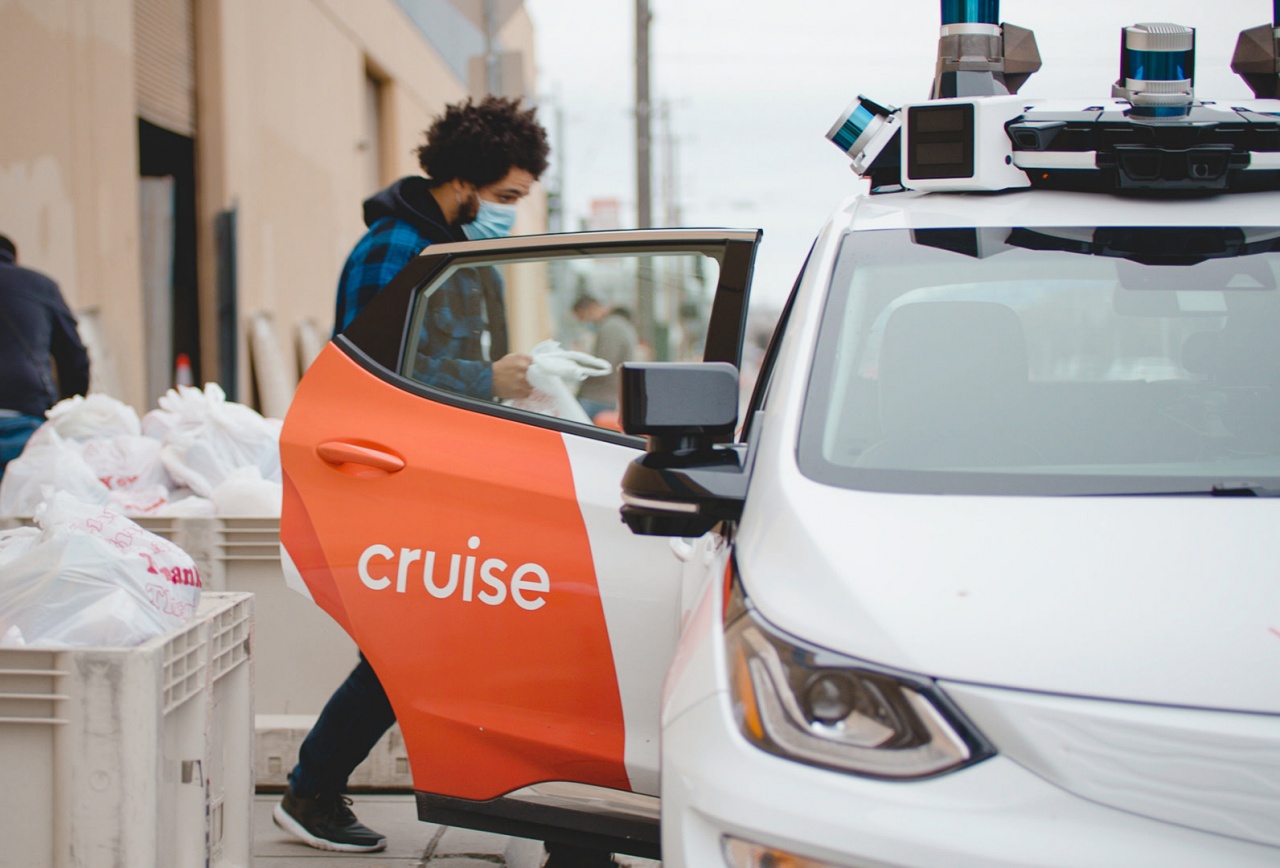
General Motors' Cruise, a self-driving taxi company headquartered in San Francisco, California is expanding its ride-hailing service to Austin and Phoenix. The autonomous vehicle company revealed its plan for expansion to the two states earlier this week.
Cruise said that it would launch its robotaxi service this coming fall. The company started dispatching its driverless cars in San Francisco this year, and people rode them according to the given service rates. Then again, the service is only available during overnight hours to minimize the chance of accidents as the company continues to improve the robotaxis’ system.
As per Fox Business, in early September, Cruise updated the software of all the 80 autonomous vehicles, and this was done after an accident occurred in June. one Cruise taxi with passengers was hit by an oncoming vehicle at an intersection. It was learned that the other vehicle was speeding in the wrong lane and clearly was at fault in the incident.
Even so, the company learned something from it and started to make some changes in robotaxis’ programming so these will be able to handle any similar incidents much better next time. The company’s co-founder and chief executive officer, Kyle Vogt, said that their Cruise robotaxis would soon be available in Phoenix, Arizona and Austin, Texas. He said that the operations there would be ready within 90 days.
They are planning to increase the number of vehicles over the course of the year and will start with a small fleet this year. It was mentioned that Cruise is actually already operating a pilot program for delivery service at Walmart in Phoenix.
The company chief shared that with their continuous development of driverless vehicles, they are working on some rough spots and focusing on this area at this time. Vogt explained they need to keep working on it “but the AV technology itself is no longer the main bottleneck."
The Cruise units are being monitored remotely by human employees to tackle issues instantly during operation. It was also noted that these autonomous rides are "geo-fenced" within a defined operational territory that has been mapped out in great detail.
Meanwhile, General Motors’ Cruise unit has a goal of reaching $1 billion in profits by the year 2025. The target may appear huge, but this is actually only half of its current level of annual investment from its GM parent company, according to Reuters.







