


 OpenAI Agents Used Websites for Unauthorized Communications
  TetherMax Expands into Asian Market Following Rebranding, Names Actor Yun Siyun as Brand Ambassador
  Amazon Prime Air Cargo Plane Crash Kills Five at Miami Airport
  Spire Healthcare Shares Jump on £1.03 Billion Takeover Deal
  Google Revamps EU Search Results to Meet DMA Rules
  Novartis Shares Plunge After Muscle Drug Fails Phase III Trial
  Australia Plans New Rules Giving Users Control Over Social Media Feeds
  Ingenia Rejects A$1.9 Billion Warburg Pincus Takeover Bid
  SpaceX Turbine Push Unlikely to Threaten Howmet, Bernstein Says
  OpenAI Targets Specialized Industries as Enterprise AI Demand Grows
  Elon Musk’s Boring Company Raises $3 Billion at $23 Billion Valuation
  SEC Seeks ISS Client Voting Records in Proxy Adviser Probe
  Apple Unveils $1,999 Foldable iPhone Duo
  Blackstone Eyes $2 Billion ZO Skin Health Sale
  GLP-1 Weight-Loss Drug Use Surges Among U.S. Children
  Qualcomm Stock Jumps on Amazon AI Chip Deal
  Kioxia Rules Out SK Hynix Manufacturing Partnership


 Add as a preferred source on Google
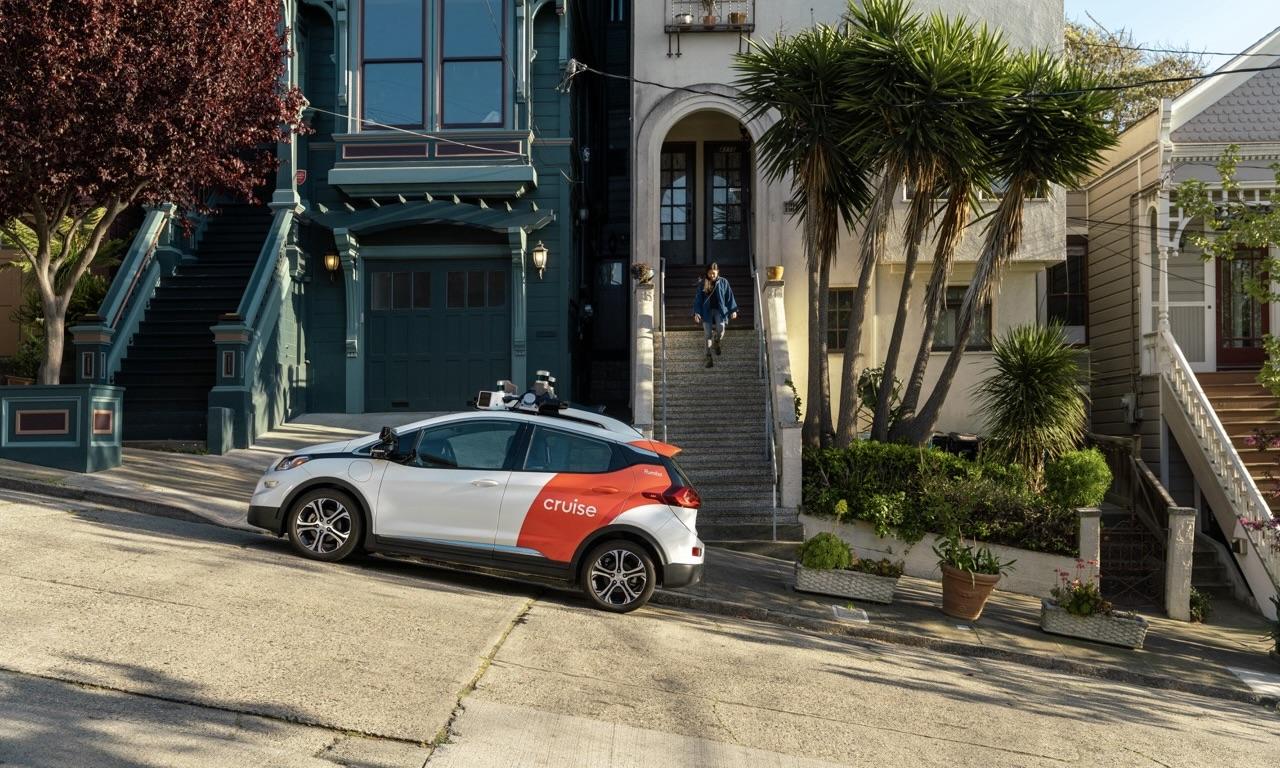
General Motors' driverless car unit, Cruise, announced late Thursday that it will temporarily halt all operations nationwide. This decision comes after California regulators ordered Cruise to take its driverless cars off the state roads due to safety concerns.
The California Department of Motor Vehicles (DMV) said that Cruise's driverless vehicles posed a risk to public safety, accusing the company of "misrepresenting" the technology's safety, according to Reuters.
Rebuilding Public Trust: Examination of Processes, Systems, and Tools
Barron's reported that both the DMV and the National Highway Traffic Safety Administration (NHTSA) have doubts about the safety of Cruise's driverless vehicles. The DMV stated that these vehicles are "not safe for the public's operation" and pose an "unreasonable risk to public safety."
Cruise stated that its primary focus is to rebuild public trust. In a proactive step, the company has decided to pause driverless operations across all fleets. During this break, Cruise will thoroughly examine its processes, systems, and tools.
With operations in Phoenix, Houston, Austin, Dallas, and Miami, suspending Cruise's activities is a significant setback for the self-driving industry. General Motors had viewed this sector as a major growth opportunity.
Ongoing Investigations and Precautions for Pedestrian Safety
Cruise clarified that suspending operations is a precautionary measure to address safety concerns, not linked to any new on-road incidents. Supervised autonomous vehicle operations will still take place.
The NHTSA launched a formal safety probe after reports of crashes involving Cruise cars engaging in hard braking, resulting in collisions and injuries.
The NHTSA has initiated a separate probe, specifically focusing on the preventive measures Cruise takes to safeguard pedestrians. These investigations come after a previous incident where Cruise vehicles failed to avoid striking a pedestrian in a hit-and-run accident.
The DMV's stricter guidelines prompted Cruise to remove half its driverless vehicles in August. This action was in response to another crash involving a Cruise vehicle. The DMV pointed out an incident in which Cruise's autonomous vehicle failed to respond appropriately to a pedestrian-related incident due to a lack of capability.
Cruise denies the allegations made by the DMV. The company claims that it had fully cooperated with the authorities and provided all necessary information and video footage related to the accidents under investigation.
Photo: Get Cruise Media Resources







