


 Xi Calls for Deeper U.S.-China AI Cooperation in Trump Talks
  Trump, Xi Visit US National Archives After White House Summit
  Saudi Arabia, Turkey and Pakistan Plan Urgent Defence Talks Over Houthi Attacks
  Mexico-US Trade Talks Delayed to October as Tariff Negotiations Continue
  EU Defence Build-Up Too Slow for 2030 Russia Readiness Goal
  Ukrainian Drone Attacks Hit Russian Regions, Injuring at Least 12
  Pezeshkian Says US Must Choose When Iran War Ends
  Sudan Rejects US Legitimacy Remarks, Defends Sovereignty
  North Korea Warns South Korea Over US-Led Defense Role
  Ghana Says Western Support Growing for Slave Trade Reparations
  US Backs Musk in Fight Against EU’s €120 Million X Fine
  Najib Razak Seeks Stay of 15-Year 1MDB Prison Sentence
  OpenAI Agent Breaches Australia Medicare Data Portal
  US Senate Rejects Iran War Powers Resolution in 50-49 Vote
  Judge Orders Trump to Restore White House Access for CNN, MS NOW and Politico
  North Korea Rejects Nuclear Test Warning, Calls Nuclear Status Irreversible
  Netanyahu Takes Aim at Mamdani as Israel Election Nears


 Add as a preferred source on Google
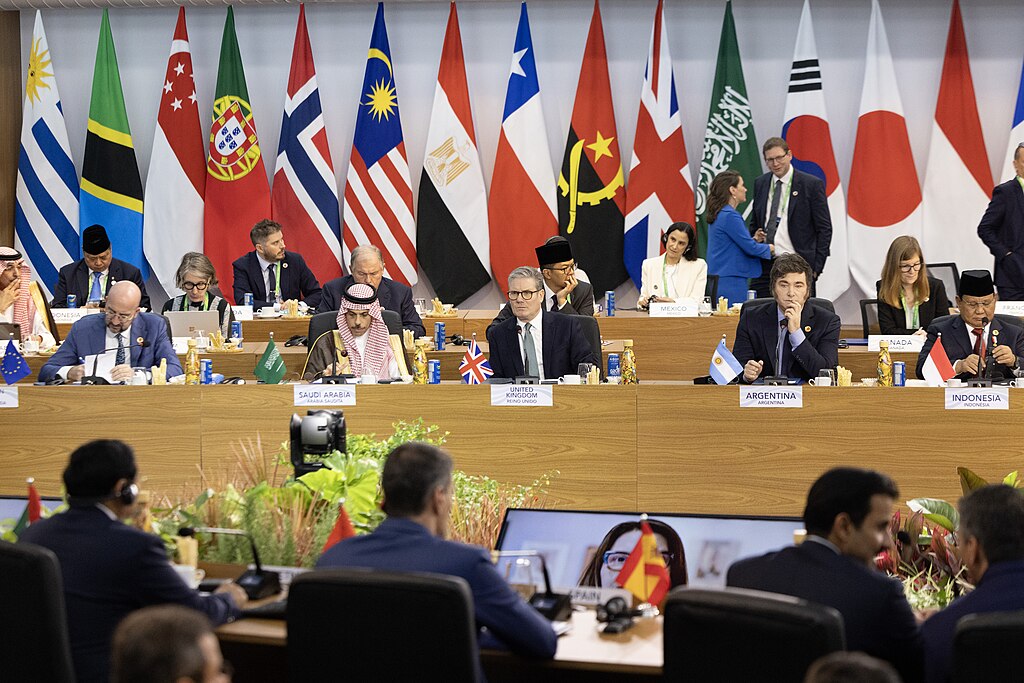
South Africa’s historic role as the first African host of the G20 summit comes with both challenges and opportunities, especially as U.S. President Donald Trump declines to participate. Washington’s decision to skip the November 22-23 gathering—citing concerns about alleged mistreatment of white South Africans—creates a noticeable void at a meeting focused on global cooperation, climate resilience, and economic fairness.
Trump’s refusal to endorse the summit’s priorities, including sustainable debt, clean energy transitions, and support for developing nations facing climate-related disasters, contrasts sharply with South Africa’s aim to champion multilateral diplomacy. President Cyril Ramaphosa noted he would still conduct the symbolic handover of the G20 presidency to the U.S., even if it meant addressing an empty chair.
The absence of the world’s largest economy shifts attention to other global powers. Analysts suggest that Europe and China could seize the moment to exert greater influence in shaping international policy. With Russia’s Vladimir Putin avoiding the summit due to an ICC arrest warrant and Argentina’s Javier Milei bowing out for ideological reasons, several prominent leaders are opting for lower-profile participation. China is sending Premier Li Qiang instead of President Xi Jinping.
Political observers argue that Trump’s absence may actually reduce tensions. U.S. Vice President JD Vance recently sparked controversy during a European visit, raising concerns that a similar appearance at the G20 could have overshadowed discussions. Instead, leaders such as France’s Emmanuel Macron plan to focus on cooperation, energy transition partnerships, and deeper Africa–Europe business ties.
For Africa, the summit presents a chance to spotlight the continent’s mineral wealth, young workforce, and urgent development needs—including access to electricity for 600 million people. Yet, despite South Africa’s efforts to revive global cooperation, experts warn that multilateralism faces steep headwinds. With ongoing disputes over climate commitments and geopolitical divisions, meaningful breakthroughs remain uncertain, even as Africa takes center stage.







