


 HP Stock Drops 9% Despite Q3 Earnings Beat and Raised 2026 Outlook
  6 simple questions to tell if a ‘finfluencer’ is more flash than cash
  Nvidia Reportedly Eyes $13 Billion Hugging Face Acquisition
  Tokio Marine Eyes Multibillion-Dollar Suncorp Takeover
  SoftBank Eyes $20 Billion Bond Sale to Refinance OpenAI Loan
  Hong Kong Home Prices Fall 0.5% in July, Ending Long Winning Streak
  Salesforce Shares Surge as AI Demand Powers Q2 Earnings Beat
  The Beauty Beneath the Expressway: A Journey from Self to Service
  Office design isn’t keeping up with post-COVID work styles - here’s what workers really want
  Qatar LNG Exports Plunge 96% as U.S.-Iran War Disrupts Gulf Energy Trade
  Bank of Korea Raises Rates to 3% as Inflation Stays Sticky
  Want to cut your energy bills? Here’s how five experts are doing it
  The American mass exodus to Canada amid Trump 2.0 has yet to materialize
  Oil Prices Slide on U.S.-Iran Ceasefire Reports, Hormuz Talks
  Asian Energy Stocks Slide as Iran-Oman Hormuz Talks Pressure Oil Prices


 Add as a preferred source on Google
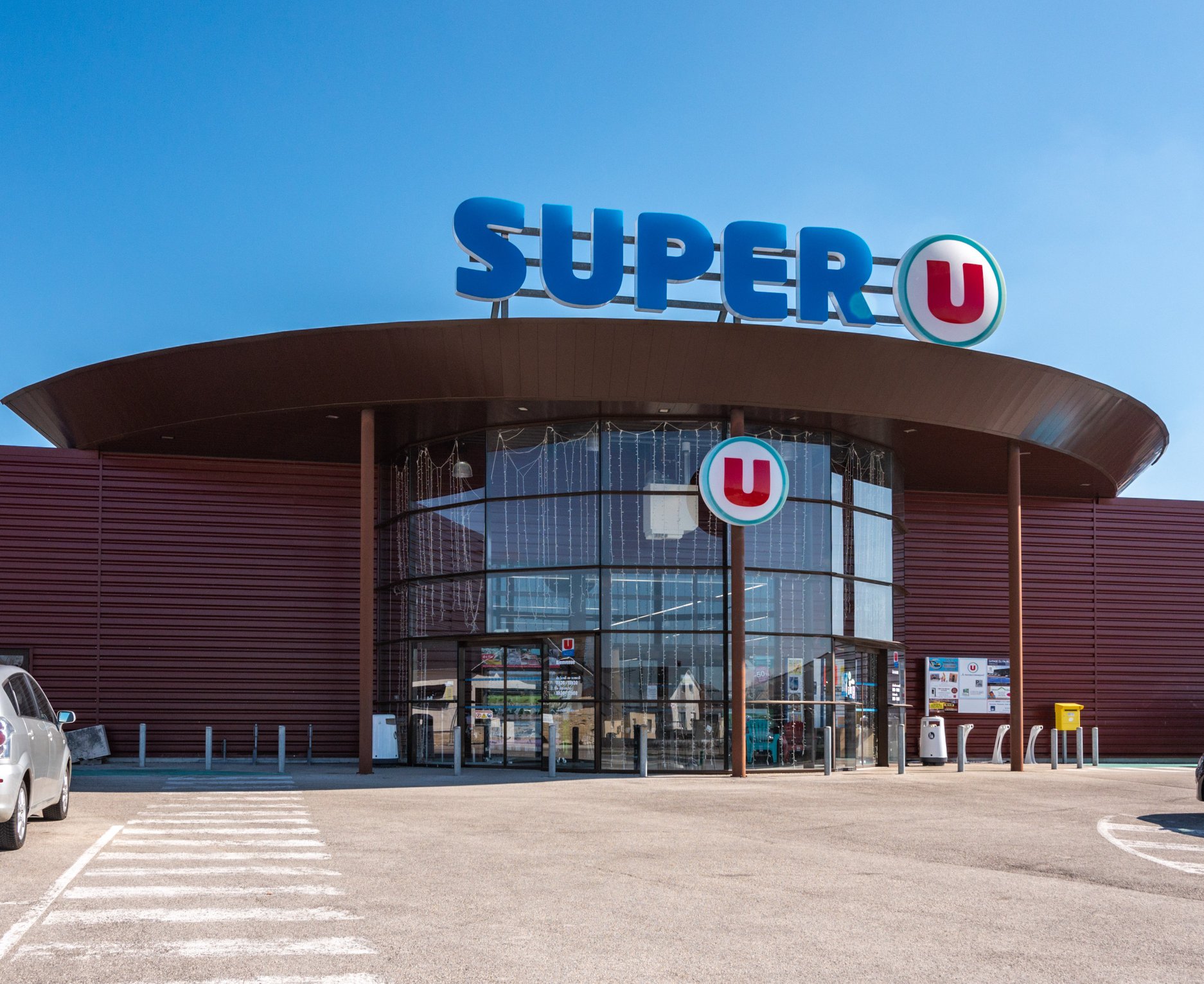
French retail cooperative Système U has removed some PepsiCo products from its shelves after the US food and beverage giant allegedly demanded a price rise of over 20 percent, which the supermarket group saw as unjustified.
According to Système U CEO, Dominique Schelcher, they were not satisfied with PepsiCo’s explanation for the scale of price rises, which did not match their own pricing analysis.
Schelcher pointed out that as raw-material prices have begun to fall, consumers expected them to lower their prices.
After the two firms disagreed over the prices, they compromised by allowing price hikes on a few products and removing PepsiCo’s remaining products off the shelves.
The French government and food retailers have agreed to set the “lowest possible price” on a range of products.







