


 S&P 500 Historically Rallies After Midterm Elections, UBS Says
  Gold Prices Rise as Oil Slump Eases Fed Rate Hike Fears
  Vietnam Stocks Join FTSE Emerging Market Indexes, Unlocking Billions in Foreign Investment
  Hawkish Fed Fuels Gold Sell-off: Gold Dives Below $4300 Amidst Rate Hike Fears
  Oil Prices Extend Losses as U.S.-Iran Talks Ease Supply Fears
  Asian Stocks Mixed Ahead of Trump-Xi Meeting
  Fed Rate Hike Threatens Housing as U.S. Growth Leans on AI, Citi Says
  Oil Prices Tumble on U.S.-Iran Diplomacy Hopes, Supply Relief
  US, Japan and South Korea Back Taiwan Ahead of Trump-Xi Summit
  Asia Stocks Rise on AI Demand as Oil Eases
  Unsustainable – or manageable? We don’t yet know how data centres will impact Australia’s environment


 Add as a preferred source on Google
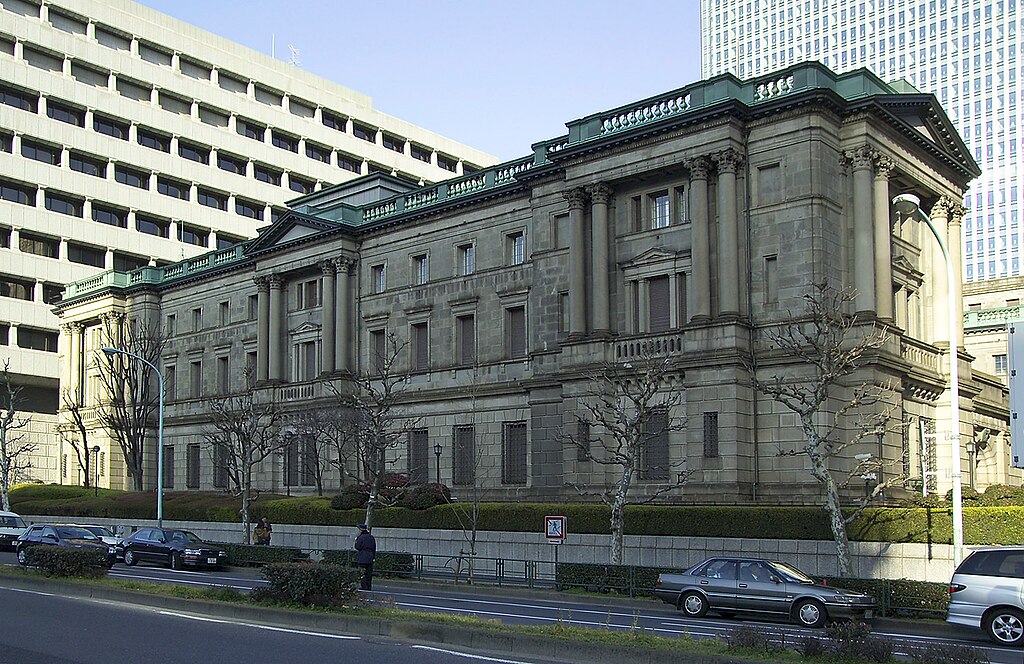
Former Bank of Japan (BOJ) Deputy Governor Masazumi Wakatabe said the central bank could raise interest rates if prospects for achieving its 2% inflation target improve, but warned that weak economic data makes it difficult to justify doing so this year.
In an interview with Reuters, Wakatabe, known for his dovish stance on monetary policy, supported the BOJ’s cautious approach to policy normalization. He emphasized that further rate hikes would depend on steady economic recovery and stronger inflationary momentum.
“The economy is at a historical turning point,” Wakatabe said, highlighting that Japanese companies are now more willing to raise prices—something rare in previous decades. “If the economy continues to improve and inflation nears 2% sustainably, rate hikes will naturally be considered.”
However, he cautioned that recent indicators point to economic softness. Japan’s underlying inflation remains around 1.6%, and private forecasts suggest a possible GDP contraction in the third quarter. “If third-quarter GDP data turns out weak, it would be hard to justify raising rates in December,” he added. Japan’s GDP data is set to be released on November 17, ahead of the BOJ’s final policy meeting on December 18–19.
Currently an economics professor at Waseda University, Wakatabe maintains close ties with ruling party leader Sanae Takaichi, who is expected to become Japan’s next prime minister. Takaichi has pledged to prioritize reflating domestic demand and strengthen coordination between fiscal and monetary policy.
Wakatabe stressed that while the BOJ should cooperate with the government, it must act independently when inflation expectations rise. “If inflation picks up, the BOJ must raise rates to prevent overheating. But it also needs to ensure the economy stays on solid footing. It’s about balance,” he said.
The yen recently hit an eight-month low as markets interpreted Takaichi’s leadership as a signal that rate hikes are unlikely in the near term. Wakatabe reiterated that BOJ decisions remain data-driven, with no fixed timeline for future hikes.







