


 Honda Targets $9.4 Billion in Cost Cuts as China EV Competition Intensifies
  Volkswagen Approves 50,000 More Job Cuts in Major Restructuring
  US Tech Giants’ AI Bond Boom Raises Euro Zone Borrowing Risks
  GSM Eyes US, Europe Expansion Ahead of 2028 Hong Kong IPO
  ByteDance Secures $29.6 Billion Loan to Boost AI Investment
  CATL Shares Fall as Hungary Plant Faces Safety Halt
  Deutsche Telekom Shares Rise as Elliott Pushes Against T-Mobile Merger
  Lenovo Shares Fall After Dropbox Security Breach Exposes ID Vulnerability
  Adobe Names Anil Chakravarthy CEO as AI Push Accelerates
  MongoDB Stock Sinks 14% as Atlas Growth Misses Expectations
  Tesla Cybercab Launch Puts Robotaxi Ambitions in Focus
  OpenAI Launches GPT-6 Astra With Advanced AI Agent Capabilities
  SpaceX Turbine Push Unlikely to Threaten Howmet, Bernstein Says
  Microsoft to Reveal Azure Revenue in Major Reporting Shake-Up
  Lynas Rare Earths Shares Rise After Takeover Talks Revealed
  Milei Threatens Falkland Oil Firms With Sanctions
  Shein Shares Drop 5% After Weak Hong Kong IPO Debut


 Add as a preferred source on Google

Ford announced that it will be scaling back its plans for an electric vehicle (EV) battery plant in Michigan. This decision comes as a surprise, considering the growing demand for electric vehicles in the market.
The carmaker had initially proposed the construction of a state-of-the-art battery plant as part of its strategy to compete in the rapidly expanding EV market, according to CNBC.
Factors Contributing to Ford's Decision
CNN reported that several factors have influenced Ford's decision to downsize the planned battery plant. One of the main reasons cited by Ford executives is the supply chain challenges currently affecting the global auto industry. The shortage of key components has disrupted production lines and strained resources, prompting Ford to reevaluate its plans.
Despite scaling back the EV battery plant, Ford remains committed to its electrification goals. The company aims to increase its investment in battery technology and forge partnerships with established battery manufacturers. By leveraging existing resources, Ford intends to enhance its supply chain capabilities and meet the growing demand for electric vehicles.
The decision to downsize the battery plant has raised concerns about job losses and its economic impact on the local community. However, Ford has assured that it will work closely with labor unions and affected employees to explore alternative job opportunities within the company.
Additionally, the automaker plans to invest in other areas of its operations to mitigate the potential economic ripple effects.
Ford's Competitiveness in the EV Market
While scaling back the battery plant may seem like a setback for Ford, the company remains focused on remaining competitive in the electric vehicle market. By optimizing its existing manufacturing facilities and leveraging partnerships, Ford aims to ramp up the production of electric vehicles and meet the evolving needs of consumers.
Despite the challenges faced in the development of the battery plant, Ford remains optimistic about its future in the electric vehicle market. The company believes that its revised strategy will allow it to adapt to changing market dynamics while ensuring the delivery of high-quality electric vehicles to its customers.
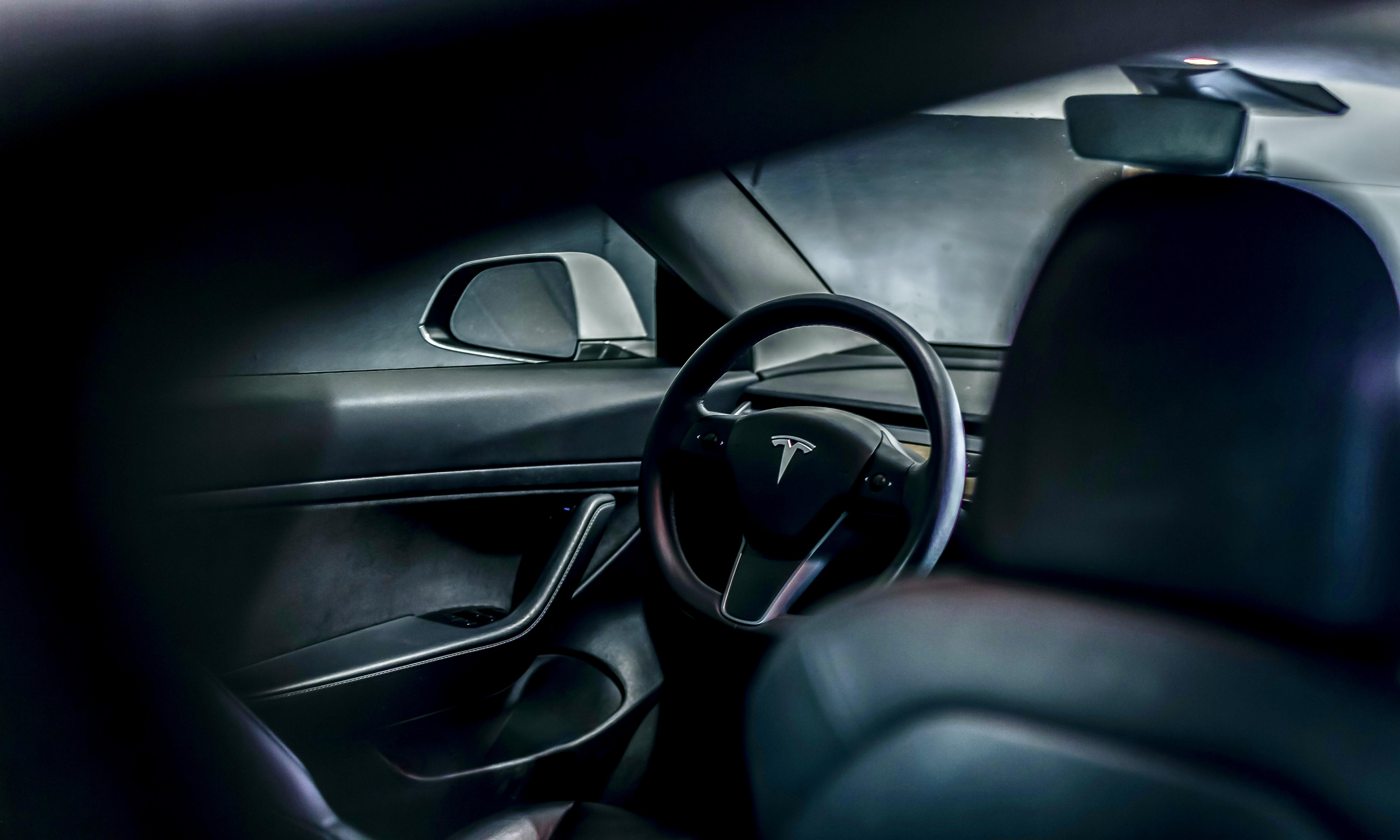
Photo: Jessy Smith/Unsplash







