


 SpaceX Stock Plunges 16% as KeyBanc Warns Valuation May Be Overstretched
  Urban studies: Doing research when every city is different
  FedEx Stock Drops After Weak 2026 Earnings Forecast Despite Strong Q4 Results
  U.S. Treasury Yields Expected to Decline Amid Cooling Economic Pressures
  SpaceX Stock Rebounds After Sharp Selloff, But Valuation Concerns Persist
  U.S. Banks Report Strong Q4 Profits Amid Investment Banking Surge
  2025 Market Outlook: Key January Events to Watch
  WiseTech Global Denies Knowledge of Investigation Into Founder Richard White
  Heineken Names JDE Peet’s CEO Rafael Oliveira as New Chief Executive
  Energy Sector Outlook 2025: AI's Role and Market Dynamics
  Trump’s "Shock and Awe" Agenda: Executive Orders from Day One
  China's Refining Industry Faces Major Shakeup Amid Challenges
  Ryan Cohen Rejects GameStop Pay Package, Prepares New eBay Acquisition Plan
  Mexico's Undervalued Equity Market Offers Long-Term Investment Potential
  Tesla and NatPower Partner on $5 Billion Battery Storage Expansion in Europe
  Moody's Upgrades Argentina's Credit Rating Amid Economic Reforms
  Gold Prices Slide as Rate Cut Prospects Diminish; Copper Gains on China Stimulus Hopes


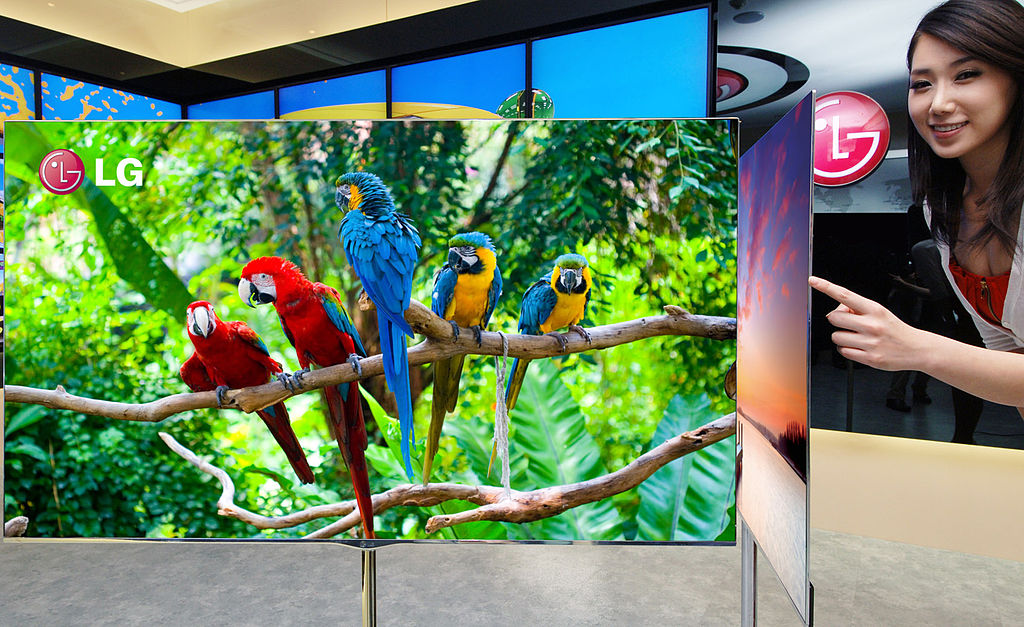
Capacity expansion in China and relatively weak end-product demand will continue to result in a global oversupply of liquid crystal display (LCD) panels, says Fitch Ratings. We expect the profitability of LG Electronics' subsidiary, LG Display, to weaken in the short term until the migration to premium products, such as ultra-high definition (UHD) and organic light-emitting diode (OLED) displays, achieves sufficient scale and helps to restore margins.
Fitch believes that the supply of LCD panels will outpace demand and that recovery in panel prices will be unlikely in the short term. In early 2016, 32-inch panel prices fell to near cash-cost levels at around USD52, and prices should remain around this level for the year. Oversupply is due largely due to production from Chinese companies, which benefit from a low cost of capital and receive frequent subsidies from government. They also tend to focus on market share rather than profitability. China's newly commissioned 8th generation (8G) fabrication plant is likely to start producing panels of 40 inches (or larger) soon, and this could put further pressure on prices.
Furthermore, a contraction in major end-product markets is constraining panel demand. Sales of IT products, such as PCs and tablets, are suffering from a structural decline with increasing cannibalisation by large-screen smartphones and a longer replacement cycle due to a lack of innovative features. Demand for TVs also remains tepid amid a weak macro environment and significant local-currency depreciation in many emerging countries. These trends are unlikely to reverse in the short term.
LG Display, which is the world's largest LCD panel makers, provides panels for LG Electronics' (BBB-/Stable) TV and smartphone businesses - and, with its strong financial and business profile, has historically supported LGE's investment-grade ratings. However, the recent downturn in the panel industry has resulted in lower ratings headroom for LG Electronics - we proportionally consolidate the 37.9%-owned LG Display in our assessment of LG Electronics.
Fitch believes that LG Display's technological leadership, economies of scale and its competitive position - especially in high-end markets - should help to minimise the negative impact. There is a technological gap between Korean and Chinese companies of at least three years, and LG Display can defend its market share to a certain extent. In addition, faster-than-expected adoption of premium products by customers such as OLED and UHD TVs following downward adjustment of retail price could provide upside to the company's future performance.







