


 Gold Slides to $4,262 as Hawkish Fed Rate Hike Triggers Technical Breakdown
  Banking scandal rocks Brazil’s politics and the country’s presidential election in October
  Oil Prices Rise as U.S.-Iran Talks Fuel Diplomacy Hopes
  Hawkish Fed Fuels Gold Sell-off: Gold Dives Below $4300 Amidst Rate Hike Fears
  Bessent, He Lifeng to Discuss AI Security and Trade in New York
  Gold Prices Slip as Strong Dollar and Hawkish Fed Pressure Bullion
  U.S. Stock Futures Rise Ahead of Trump-Xi Summit, Middle East Risks Weigh
  UK Home Asking Prices Rise for First Time Since May
  Vietnam, US Trade Deal Could Be Signed Soon, To Lam Says


 Add as a preferred source on Google
Fitch Ratings has lowered its global economic growth forecast for 2026 and increased its crude oil price projections, citing the ongoing economic fallout from the U.S.-Iran conflict. The ratings agency warned that elevated energy costs are creating widespread challenges for businesses, consumers, and governments worldwide.
According to Fitch, global economic growth is now expected to reach 2.4% in 2026, down from its previous forecast by 0.2 percentage points. Economists at the firm said higher inflation is reducing household purchasing power, weakening consumer spending, and increasing operating costs for companies across multiple industries.
The downgrade follows similar warnings from major international organizations, including the OECD, as the geopolitical conflict enters its fourth month and continues to disrupt global energy and commodity markets.
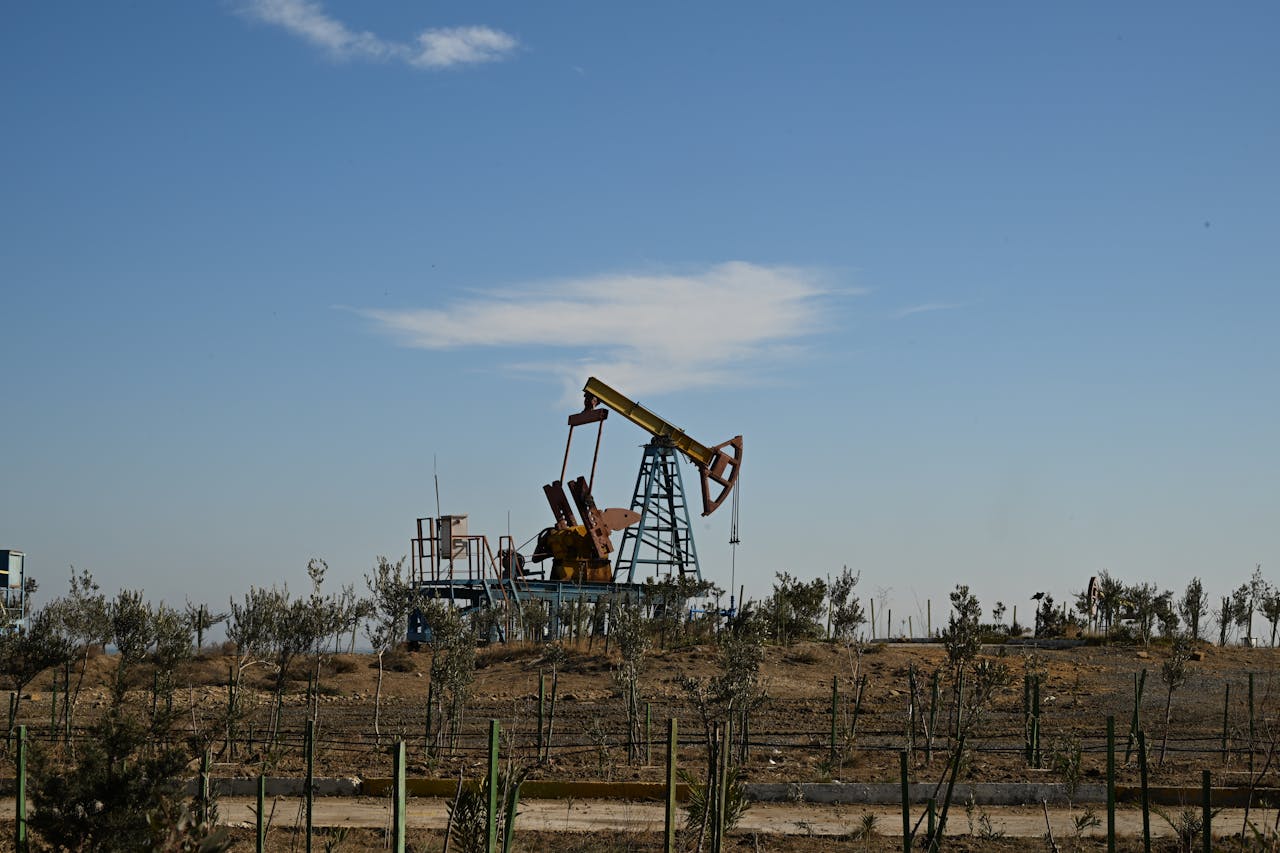
Fitch also revised its Brent crude oil forecast sharply higher, projecting an average price of $87 per barrel in 2026 compared with its earlier estimate of $70. The increase reflects the prolonged closure of the Strait of Hormuz, a critical route for global oil shipments. The firm believes the disruption could continue for several more weeks due to ongoing tensions between Washington and Tehran.
Despite the challenges, Fitch emphasized that the current situation remains less severe than the oil crises of the 1970s. The agency noted that oil now represents a significantly smaller share of global economic output than it did decades ago, reducing the overall impact of rising energy prices.
Under Fitch’s baseline scenario, U.S. economic growth is projected at 1.9% in 2026, while eurozone growth is expected to reach 0.9%. In contrast, China’s growth forecast was upgraded to 4.6%, supported by stronger-than-expected economic performance and resilient export activity.
The agency also outlined a downside scenario in which oil prices average $100 per barrel, stock markets decline by 10%, and credit conditions tighten. In that case, U.S. growth could slow to 0.8%, eurozone growth to 0.3%, and China’s economy to 3.4%.
Regarding monetary policy, Fitch expects the Federal Reserve and the Bank of England to keep interest rates unchanged through 2026 before resuming rate cuts in 2027. The European Central Bank is anticipated to raise rates once more before shifting toward easing next year.
One positive factor supporting the global economy is the rapid expansion of artificial intelligence investments. Fitch Chief Economist Brian Coulton stated that strong global spending on information technology and AI infrastructure is helping offset some of the economic pressure, particularly across Asian markets.







