


 Australia GDP Beats Forecast, Boosting RBA Rate Hike Bets
  U.S. Dollar Hits Eight-Week High After Fed Rate Hike
  Vietnam Stocks Join FTSE Emerging Market Indexes, Unlocking Billions in Foreign Investment
  France Debt-to-GDP Ratio Seen Hitting Record 119.3% in 2026
  Hawkish Fed Fuels Gold Sell-off: Gold Dives Below $4300 Amidst Rate Hike Fears
  Oil Prices Rise as U.S.-Iran Talks Fuel Diplomacy Hopes
  What is Zionism? The different meanings of a contested term
  Oil Prices Rise as Houthi Strikes on Riyadh Fuel Middle East Tensions
  ECB Rate Hike in Focus as Oil Tops $100
  China’s robots can run faster than Usain Bolt – now they are being prepared for war
  JPMorgan Sees ECB Raising Rates to 2.75% in December
  BOJ Set to Raise Rates to 1.25% as Inflation Risks Build
  South Korea to Brief Lawmakers on $350 Billion US Investment Package
  Big AI wants to slow down AI research. Is it a safety pause or a strategic retreat?


 Add as a preferred source on Google
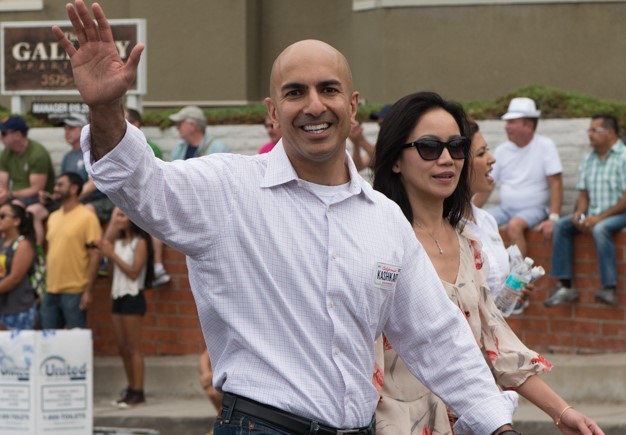
Minneapolis Federal Reserve President Neel Kashkari said recent U.S. inflation data has been encouraging but warned that the full inflationary impact of tariffs might still be ahead. Speaking to the Montana Chamber of Commerce on Thursday, Kashkari emphasized a cautious approach to interest rate policy due to ongoing trade uncertainties.
“We’ve been saying we need to go slow until we understand the inflationary effects of tariffs,” Kashkari noted, highlighting that higher costs from tariffs are likely to be passed on by businesses. However, he added that some companies are holding off on price hikes, hoping that tariff rates will return to normal.
“Businesses don’t want to risk upsetting their customers if the tariffs prove temporary,” he explained. This delay in passing on costs could mean that inflationary effects are lagging behind current data, potentially complicating the Federal Reserve’s rate decisions.
Kashkari also pointed out that markets often find ways to navigate around trade barriers, which may limit the overall inflationary pressure. “Products have a way of moving through or around barriers,” he said, suggesting the real economic impact could be smaller than feared if businesses adjust supply chains effectively.
Despite the recent positive inflation trends, Kashkari reiterated that the Fed needs more clarity on how tariffs will influence the broader economy. “There’s still a lot of uncertainty, and we’re waiting to see how negotiations unfold,” he said.
With trade policies in flux and global supply chains adapting, the Fed remains cautious about committing to a firm monetary policy path. Kashkari’s remarks underline the complexity of balancing inflation data with unpredictable external pressures like tariffs in shaping future interest rate moves.







