


 AI Data Center Boom Faces New Risks as Public Backlash and Policy Scrutiny Grow
  Trump Says U.S.-Iran Talks Progressing as Hopes Rise for Strait of Hormuz Reopening
  Bezalel Smotrich Faces Election Battle as Israel’s Far-Right Vote Fractures
  Colombia President Abelardo De La Espriella Pledges Drug Crackdown, Economic Reforms
  Samsung, SK Hynix Test AMEC Chipmaking Tools for China Backup Plan
  DOJ Rescinds Anti-Weaponization Fund Ahead of Todd Blanche Senate Confirmation Vote
  California ICE Detention Center Found to Have Inadequate Medical Care, Court Monitor Says
  Appeals Court Rejects Trump Bid to Reinstate $100,000 H-1B Visa Fee
  Russian Strikes Kill Six in Eastern and Northern Ukraine, Dozens Injured
  China Vows Retaliation Over U.S. Ban on Chinese Robots, Power Inverters
  Trump Administration Weighs Executive Order on Vaccines and Autism Research
  Trump Administration to Ban Chinese Robots, Power Inverters Over AI Security Concerns
  US Supreme Court Lets $655.5 Million Judgment Against Palestinian Authorities Stand During Appeal
  CDC Expands Cyclospora Outbreak Investigation to 15 States as Lettuce Link Grows
  US Continues Ukraine Patriot Missile Production Talks Despite Trump Doubts
  US Continues Ukraine Patriot Missile Production Talks Despite Trump’s Concerns


Federal employees returning to office after years of remote work face chaotic and unprepared workplaces. NASA headquarters in Washington has cockroach infestations, while IRS staff in Memphis struggle with privacy concerns in shared spaces. Employees at U.S. Citizenship and Immigration Services compare their fight for desks to "The Hunger Games."
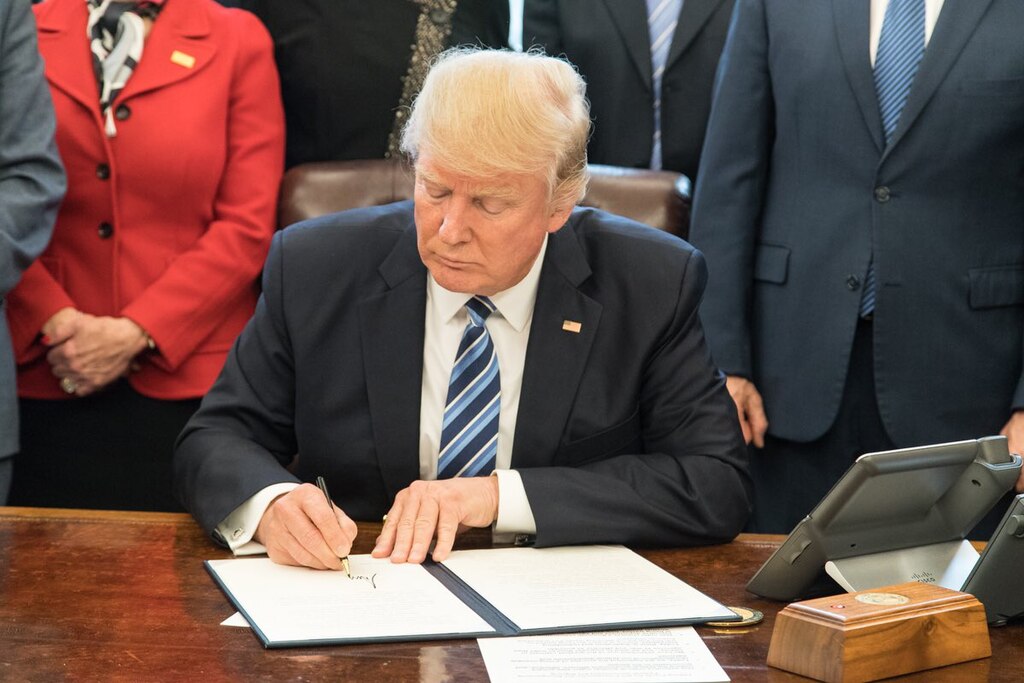
President Donald Trump's January 20 mandate to bring back federal employees aims to reduce government inefficiencies, but critics argue it is a strategic move to encourage resignations and cut the 2.3-million-strong workforce. Many offices lack desks, internet access, and proper seating, with some workers resorting to sitting on floors or in cars using personal hotspots. An IRS official in California was assigned to work in a supply closet.
Unions argue the disorder is intentional. "Bringing people back was a ploy to increase stress and force resignations," said Steve Lenkart of the National Federation of Federal Employees. Employees report reduced productivity as they struggle for basic resources. At NASA’s Goddard Space Flight Center, overcrowding forces some to take meetings from their cars.
Despite government claims that workplaces are adequately prepared, federal buildings have seen a mass exodus, with over 100,000 employees either resigning or taking buyouts. The Department of Justice and Department of Agriculture offices also report overcrowding, inadequate facilities, and lack of essential resources like parking and paper towels.
Trump’s administration defends the return-to-office order as a necessary step to improve government efficiency. Washington's mayor supports it for economic revitalization, but many federal employees argue it has led to confusion and dysfunction. As frustrations grow, the question remains: Is this truly about efficiency, or is it a calculated move to reshape the federal workforce?







