


 Gold Prices Fall as Treasury Yields Rise on Fed Rate Hike Bets
  Oil Prices Surge as U.S.-Iran Diplomacy Hopes Fade
  RBI Uses $10 Billion Currency Swaps to Drain Excess Rupee Liquidity
  Fed Rate Hike Threatens Housing as U.S. Growth Leans on AI, Citi Says
  Yen Sinks as BOJ Rate Hike Fails to Impress Markets
  Wall Street Falls as Treasury Yields Surge, Oil Rebounds on Iran Tensions
  Fed Unveils Stablecoin Rules Under GENIUS Act
  Wall Street Ends Flat as Oil, Treasury Yields and Fed Jitters Rattle Markets
  Oil Prices Jump 3% as Houthi Attack Revives Supply Fears
  Dollar Hits Two-Month High as Fed Rate Hike Bets Rise
  US, China Extend Trade Truce to Jan. 10 Ahead of Trump-Xi Summit


 Add as a preferred source on Google
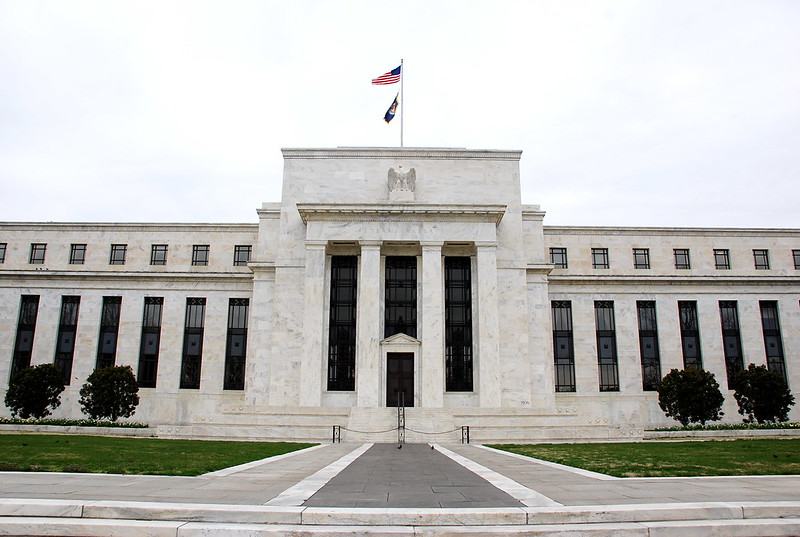
The Federal Reserve left its benchmark interest rate unchanged on Wednesday, maintaining the federal funds rate at 3.50% to 3.75% for a fifth consecutive meeting as policymakers continued to monitor inflation and broader economic conditions. Despite heightened speculation ahead of the decision, Fed Chair Kevin Warsh emphasized that the central bank remains firmly committed to restoring price stability.
The decision was not unanimous. Cleveland Fed President Beth Hammack, Minneapolis Fed President Neel Kashkari, and Dallas Fed President Lorie Logan voted in favor of a 25-basis-point rate increase, highlighting ongoing concerns over inflation and the uncertain policy outlook.
This marks the second policy meeting under Warsh's leadership. Similar to June, the Federal Open Market Committee (FOMC) released a streamlined statement ending with the message, "The Committee will deliver price stability." Warsh has also continued to advocate for reduced forward guidance while launching a broad review of the Fed's communications and inflation framework.
During his post-meeting press conference, Warsh described the policy debate as a "good family fight," saying officials discussed persistent inflation, recent economic shocks, inflationary pressures stemming from those shocks, and the effectiveness of monetary policy tools. He added that the three dissents did not fully reflect the broader discussion within the committee.
Warsh also pointed to the sharp rise in U.S. Treasury yields since June, arguing that tighter financial conditions have effectively delivered some of the restraint typically associated with higher interest rates. The benchmark 10-year Treasury yield has climbed more than 14 basis points since the previous meeting, reflecting stronger economic data, resilient labor markets, solid business investment, and improving productivity.
Market participants, Warsh said, are increasingly reacting to real-time economic data rather than relying on Fed guidance, describing the shift as a positive development.
Kim Escue, portfolio manager at Shelton Capital Management, said the Fed's decision aligns with a data-dependent approach. She noted that moderating inflation, expectations for softer PCE data, slowing GDP growth, a normalizing labor market, and subdued money supply growth all support keeping rates unchanged. Although oil prices have rebounded, Escue said they remain well below the levels that fueled the previous inflation surge, while elevated real interest rates continue to restrain demand without significantly increasing recession risks.







