


 Why a ‘rip-off’ degree might be worth the money after all – research study
  Booked to travel through the Middle East? Here’s why you shouldn’t cancel your flight
  Office design isn’t keeping up with post-COVID work styles - here’s what workers really want
  Glastonbury is as popular than ever, but complaints about the lineup reveal its generational challenge
  Heritage, desire and diplomacy: why China still values scotch whisky
  Stuck in a creativity slump at work? Here are some surprising ways to get your spark back
  The American mass exodus to Canada amid Trump 2.0 has yet to materialize
  Disaster or digital spectacle? The dangers of using floods to create social media content
  Want to cut your energy bills? Here’s how five experts are doing it
  Google promotes ‘teacher approved’ apps for kids. Here’s what parents should know
  ‘Buy now, pay later’ doesn’t feel like debt. For young people, that can be a big problem
  The Beauty Beneath the Expressway: A Journey from Self to Service
  AI is driving down the price of knowledge – universities have to rethink what they offer
  How to support someone who is grieving: five research-backed strategies
  Can your cat recognise you by scent? New study shows it’s likely
  1 in 3 uni students experience serious financial hardship. Could concession cards for all help?


 Add as a preferred source on Google
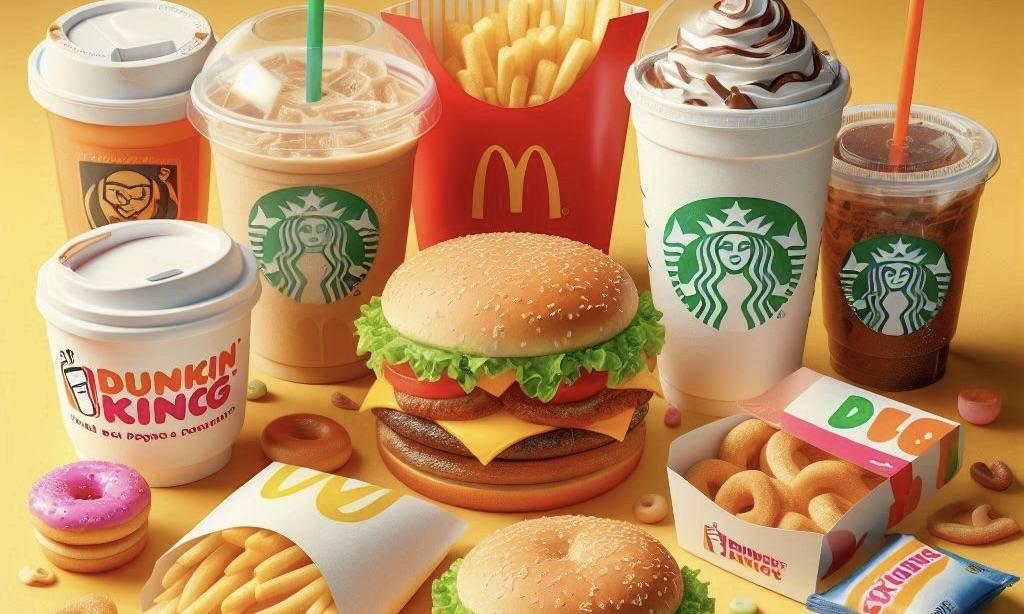
The fast-food industry is more diverse than ever, with some menu items emerging as excellent choices for people with autism. While not specifically marketed for this group, select options at McDonald’s, Burger King, Starbucks, and Dunkin’ feature characteristics that align well with dietary preferences or sensory sensitivities common in autism spectrum disorder (ASD).
McDonald’s: Simplicity and Adaptability Lead the Way
McDonald’s continues to dominate as a go-to for customizable meals. For individuals with autism who might prefer foods with consistent textures and limited ingredients, McDonald’s offers options like the classic hamburger or Chicken McNuggets, which are consistent across locations. Pairing these with plain apple slices or fries provides balance without overwhelming the senses. The Egg McMuffin also offers a protein-packed breakfast option that’s both mild in flavor and easy to eat.
Burger King: Balancing Flavor and Familiarity
Burger King offers choices such as the Whopper Jr. or the Cheeseburger, which can be tailored to individual preferences. Removing condiments or toppings creates a simpler meal while still retaining taste. Their grilled chicken sandwich is another excellent pick for those seeking a less processed protein option. Pairing meals with fresh apple juice or a bottle of water minimizes potential irritants like sugary sodas.
Starbucks: Quiet Choices for Focused Moods
Starbucks excels in providing customizable drinks and snacks that cater to diverse dietary needs. For those sensitive to caffeine or strong flavors, Starbucks’ Refreshers or herbal teas like the Mint Majesty are calming alternatives. Their sous vide egg bites—protein-rich, gluten-free, and soft-textured—are ideal for breakfast or snack time without sensory overload. Parents often note the appeal of the Banana Bread, which delivers a sweet but mild treat.
Dunkin’: Sweet, Savory, and Sensory-Friendly Options
Dunkin’s menu is versatile, offering something for every preference. The Wake-Up Wrap with egg and cheese is light and manageable, avoiding heavy sauces or overwhelming textures. For snacks, the Munchkins donut holes—especially in simpler flavors like plain or powdered—are perfect for portion control and sensory-friendly sweetness. Dunkin’s decaf iced tea or milk are excellent drink choices for those avoiding caffeinated beverages.
Important Considerations for Autism-Friendly Meals
When choosing fast food for individuals with autism, it’s essential to account for sensory needs, dietary restrictions, and texture preferences. These can vary significantly among individuals. Many fast-food chains provide detailed nutritional information online, making it easier to customize orders in advance. Additionally, several establishments offer mobile apps that allow you to modify orders for pick-up, reducing stress for those who may be overwhelmed by waiting in line or navigating noisy restaurants.
'You Won’t Believe What’s Autism-Friendly at Dunkin’ and Starbucks'
Fast food giants are often criticized for their lack of inclusivity, but families of individuals with autism are finding hidden gems in menu options that cater to simplicity, consistency, and sensory preferences. While these items may not be explicitly designed for autism-friendly diets, their adaptability speaks volumes about the importance of inclusivity in fast food.







