


 Scott Bessent Eyed as Trump’s New AI Czar
  US-Backed Pediatric HIV Treatment Drops After Foreign Aid Changes, Study Finds
  AMD Hits $1 Trillion as BofA Raises Price Target to $720
  BlackBerry Shares Rise as Q2 Earnings, Revenue Beat Estimates
  Jeff Bezos Invests $32 Billion in Blue Origin as Space Firm Targets Major Growth
  Oracle Shares Fall as New Mexico AI Data Center Faces Power Delays
  Meta Partners With Shopify to Bring Shop Pay Checkout to Muse AI
  FDA Weighs Safety Standards for Psychedelic Therapies
  China’s ‘Lipstick King’ Says AI Won’t Replace Livestream Hosts
  Trump Signs Order to Cut Routine Childhood Vaccines
  Eli Lilly Eyes AtaiBeckley Acquisition to Expand Psychedelic Mental Health Pipeline
  GSK Unveils $2.52 Billion Cost-Cutting Plan to Accelerate Drug Pipeline
  Alcohol is one of the most dangerous drugs, yet its presence is ubiquitous in social settings and celebrations
  OpenAI Urges US-Led Global Standards for Frontier AI
  Former OpenAI Data Center Chief Chris Malone Joins Nvidia
  AstraZeneca Halts Phase III Volrustomig Lung Cancer Trial After Efficacy Setback
  Novartis M&A Strategy Faces Investor Scrutiny After Drug Setbacks


 Add as a preferred source on Google
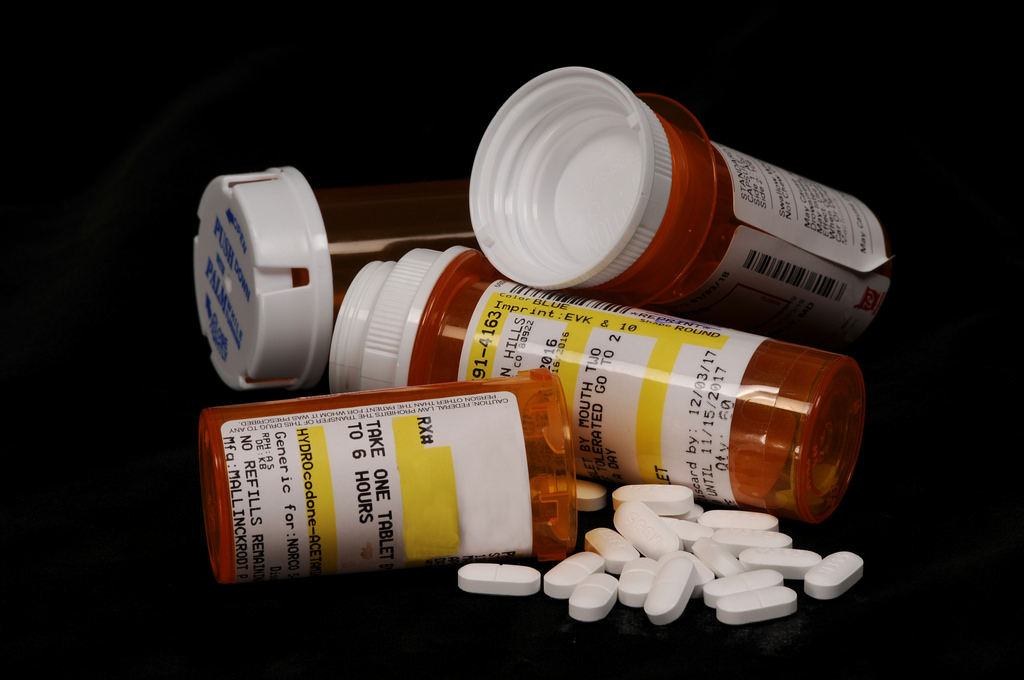
The opioid crisis has reached a seemingly never-ending crescendo in the U.S., with more and more Americans dying of overdoses and related illnesses as a result. In an effort to curb these incidents, the Food and Drug Administration held a summit on Wednesday to discuss such issues. Among those invited were tech giants like Google and Facebook, but the event became mired in controversy before it even started.
As WIRED points out, about 115 Americans die due to the opioid crisis every single day. As of now, much of the blame is aimed at pharmaceutical companies and the doctors who are pushing these drugs to patients. However, tech companies are becoming increasingly scrutinized in relation to the issue as well.
The monkey wrench that could potentially derail the proceedings this time is the apparent refusal of tech companies to sign a pledge provided by the FDA. Called the “Pledge to Reduce the Availability of Illicit Opioids Online,” it was supposed to be signed by attendees and published 30 days following the summit.
However, it would seem that the tech companies had an issue with signing the pledge. After consulting with them, the FDA announced that it was putting that part of the plan on hold. While the reasons for the change have not been made clear, some experts are saying that this was an attempt by tech companies to deflect blame away from them.
This is a problem because one of the main points that the FDA wants to bring home during the summit is the suppression of sales of the drug fentanyl, CNBC reports. With the internet making it so easy to purchase such medication, the rates of overdose have skyrocketed, particularly in rural communities.
To help address this problem, the FDA wants tech companies to start doing their part and curb the spread of these drugs. They can start by making it substantially more difficult to get fentanyl off of the internet through search engines or social media.







