


 SK Hynix Moves Closer to New York ADR Listing Amid AI Chip Boom
  Oracle Cuts 21,000 Jobs as AI Reshapes Workforce and Cloud Expansion Accelerates
  Marco Rubio Says U.S. Will Block IRGC-Linked Individuals From Iran World Cup Delegation
  SpaceX Stock Plunges 16% as KeyBanc Warns Valuation May Be Overstretched
  FedEx Stock Drops After Weak 2026 Earnings Forecast Despite Strong Q4 Results
  SK Hynix Overtakes Samsung as South Korea’s Most Valuable Company
  RFK Jr. Orders Extended Hantavirus Quarantine for Cruise Passenger
  Samsung Electronics Stock Surges on Report of Massive $59 Billion Share Buyback Plan
  Trump Says Anthropic No Longer Seen as National Security Threat
  DOJ Opens Investigation Into NYC Coffee Shop Over Anti-Goldman Social Media Post
  Google Gemini Co-Lead Noam Shazeer Leaves for OpenAI Amid AI Talent Race
  WiseTech Global Denies Knowledge of Investigation Into Founder Richard White
  NHTSA Investigates Fatal Tesla Model 3 Crash in Texas Amid Ongoing Autopilot and FSD Safety Scrutiny
  US Tightens AI Chip Export Rules, Impacting Nvidia and AMD Sales to Chinese Firms
  Anthropic AI Model Uncovers Vulnerabilities in Classified U.S. Government Systems During Security Test
  SpaceX Stock Slides After IPO Rally as Valuation Concerns Grow


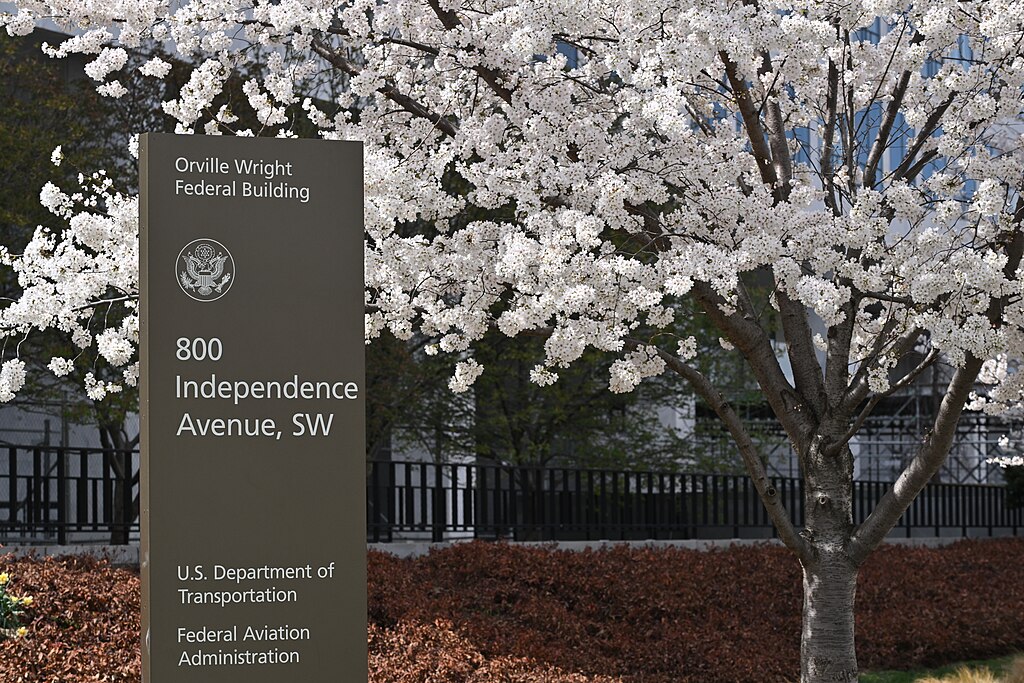
The Federal Aviation Administration (FAA) announced on Thursday that it has officially concluded its investigation into the SpaceX Starship Flight 8 mishap, attributing the incident to a hardware failure in one of the spacecraft’s engines. The issue occurred during a high-altitude test flight, prompting a comprehensive review by the agency to ensure future mission safety.
SpaceX identified eight corrective actions to address the root cause of the engine malfunction. These measures were designed to prevent a recurrence and enhance the reliability of future Starship launches. The FAA confirmed that SpaceX fully implemented all recommended actions before proceeding with the Starship Flight 9 mission, which took place in late May.
The Starship program is central to SpaceX’s long-term goal of enabling human missions to the Moon and Mars. As the most powerful rocket ever built, Starship continues to undergo rigorous testing and development, with regulatory oversight from the FAA to ensure adherence to safety and operational standards.
By closing the investigation and verifying the corrective actions, the FAA has cleared a significant regulatory hurdle for SpaceX’s ongoing launch schedule. This marks a positive development for the company’s ambitions in commercial spaceflight, deep space exploration, and NASA-supported missions under the Artemis program.
The outcome reinforces SpaceX’s commitment to continuous improvement and transparency in addressing technical setbacks. As Starship prepares for more test flights and eventual operational missions, regulatory cooperation remains key to advancing U.S. leadership in the global space industry.
With increased public and investor interest in space innovation, updates from the FAA and companies like SpaceX continue to drive attention to the progress and challenges of next-generation aerospace technology.







