


 NATO Boosts Intelligence Sharing Amid Russia Hybrid Threats
  The pandemic is still disrupting young people’s careers
  Office design isn’t keeping up with post-COVID work styles - here’s what workers really want
  Moderna Wins FDA Approval for mFLUSIVA mRNA Flu Vaccine for Adults 50+
  Jared Isaacman Confirmed as NASA Administrator, Becomes 15th Leader of U.S. Space Agency
  Neuralink Plans High-Volume Brain Implant Production and Fully Automated Surgery by 2026
  Pezeshkian Says US Must Choose When Iran War Ends
  AstraZeneca Q2 Earnings Beat Forecasts as Oncology Growth Supports 2026 Outlook
  SpaceX’s Starship Completes 11th Test Flight, Paving Way for Moon and Mars Missions
  Netanyahu Defends Israel at UN as Delegates Stage Walkout
  Novo Nordisk Eyes Turnaround as Oral Wegovy Challenges Eli Lilly in Weight-Loss Drug Race
  Locked up then locked out: how NZ’s bank rules make life for ex-prisoners even harder
  Hanmi Pharm Soars 30% on $2.3 Billion Genentech Obesity Drug Deal
  GSK Unveils $2.52 Billion Cost-Cutting Plan to Accelerate Drug Pipeline
  Novo Nordisk Strikes €1.17 Billion Nanexa Drug Delivery Deal
  Kremlin Says No Decision Yet on Putin-Trump December Summit


 Add as a preferred source on Google
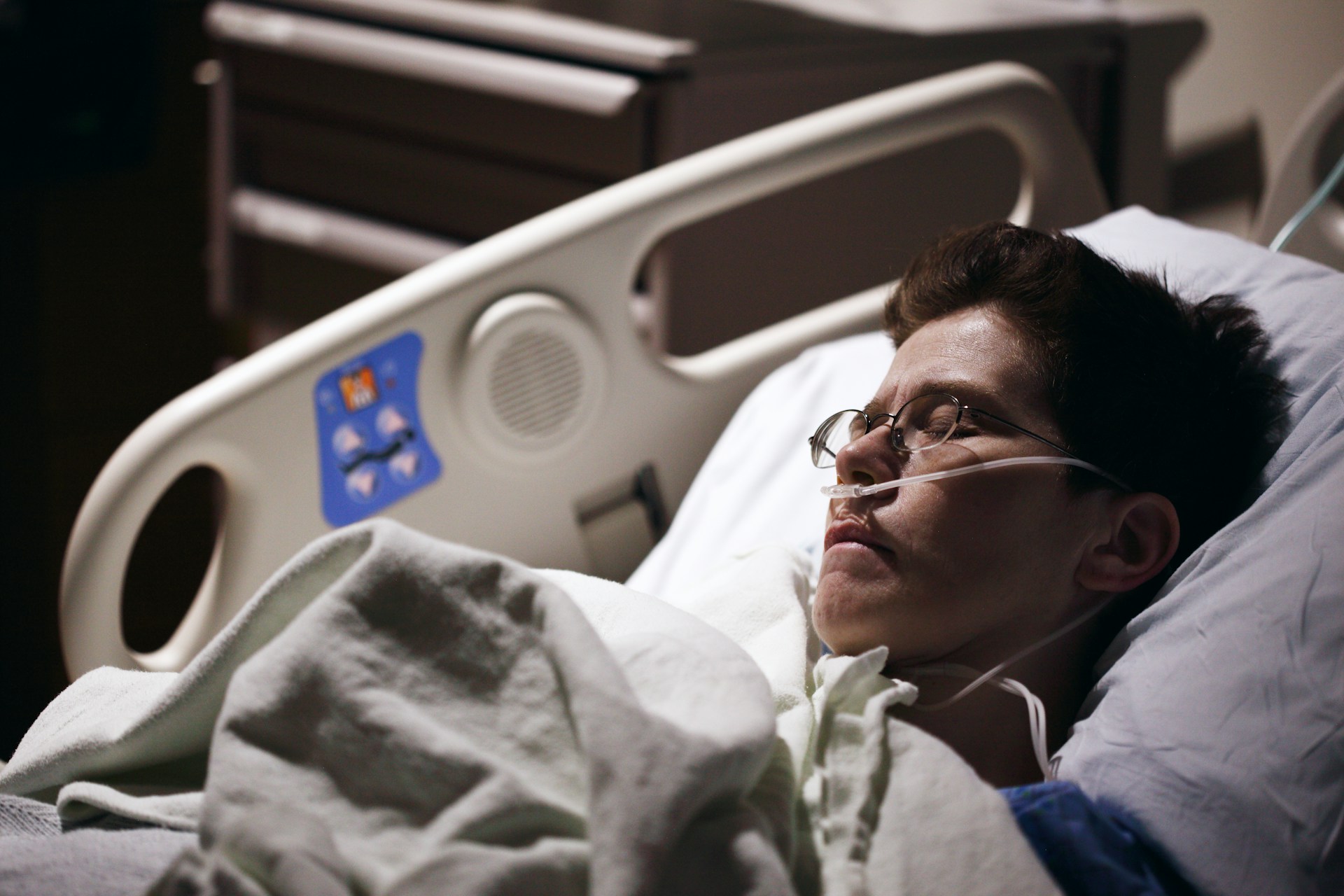
A former CIA operative has come forward with alarming allegations, claiming that victims of the mysterious Havana Syndrome are now battling devastating health issues, including cancer, dementia, and Parkinson’s disease. The whistleblower accuses the government of a cover-up, stating that the CIA has betrayed its own personnel while denying the severity of their conditions.
Havana Syndrome and Its Troubling Legacy
Havana Syndrome, a term coined after U.S. diplomats in Cuba began experiencing unexplained symptoms in 2016, has been shrouded in mystery. Victims reported severe headaches, hearing loss, dizziness, and cognitive difficulties, with no definitive cause identified. Now, years later, the whistleblower alleges the condition has led to life-altering illnesses for many affected individuals.
The CIA whistleblower, speaking anonymously, stated, “The government is not just ignoring our suffering—they’re actively denying it. My friends’ lives are being destroyed, and no one is being held accountable.”
Reports suggest that while some progress has been made in diagnosing and treating these victims, many have been left without sufficient support. Advocacy groups have long criticized the lack of transparency and the government's hesitance to acknowledge the syndrome’s impact fully.
Accusations of a Government Cover-Up
The whistleblower’s claims of a cover-up have reignited debates over the government’s handling of Havana Syndrome cases. Critics argue that the CIA and other agencies have downplayed the severity of the condition to avoid political and financial liability.
“It’s not just negligence—it’s betrayal,” the whistleblower declared. “They know what’s happening, but they refuse to act. Instead, they’ve made it their mission to silence us.”
Advocates for Havana Syndrome victims demand immediate action, urging the government to provide comprehensive medical care and financial compensation for those suffering. Legislators have also called for an independent investigation into the whistleblower’s allegations.
Dr. Amanda Rivera, a neurologist specializing in unexplained brain injuries, emphasized the urgency of the situation. “If these claims are true, the government has an ethical responsibility to address them transparently and ensure victims receive the care they deserve.”
Public Reacts to Whistleblower’s Revelations
The allegations have sparked heated discussions on social media, with users expressing both outrage and disbelief. User @JusticeSeeker posted, “How many more lives have to be destroyed before the government takes this seriously? This is heartbreaking.” Similarly, @AccountabilityNow tweeted, “If the whistleblower’s claims are true, this is one of the most shameful cover-ups in U.S. history.”
Others were more skeptical. “Not buying it. Havana Syndrome has always seemed exaggerated,” wrote @RealTruthTeller. Meanwhile, @VictimAdvocate argued, “Even if some details are unclear, these victims need help. The government cannot ignore their suffering.”
Another user, @ExposeTheTruth, stated, “This whistleblower deserves protection. We need to know what’s really happening behind closed doors.” However, @HealthyDebate countered, “Let’s not jump to conclusions. We need evidence before accusing the CIA of such serious misconduct.”
What’s Next for Victims and the Government?
As pressure mounts, calls for an independent inquiry grow louder. Advocacy groups and medical professionals stress the need for immediate assistance for victims and greater accountability from the CIA and other government agencies. With these revelations, the future of Havana Syndrome cases remains uncertain, but public scrutiny could force long-overdue action.







