


 Alcohol is one of the most dangerous drugs, yet its presence is ubiquitous in social settings and celebrations
  U.S. Issues Cuba Health Alert as Illnesses Rise
  3 clinical-grade skincare creams you really shouldn’t buy online
  Novo Nordisk Strikes €1.17 Billion Nanexa Drug Delivery Deal
  Moderna Wins FDA Approval for mFLUSIVA mRNA Flu Vaccine for Adults 50+
  Moderna Short Sellers Hit With $4.8 Billion Loss as Stock Soars
  Novartis Shares Plunge After Muscle Drug Fails Phase III Trial
  New Mexico Measles Outbreak Cost Reached $5.4 Million, Study Finds
  Hanmi Pharm Soars 30% on $2.3 Billion Genentech Obesity Drug Deal
  Venezuela Earthquake Health Risks Rise as Disease Monitoring Intensifies
  Novo Nordisk Eyes Turnaround as Oral Wegovy Challenges Eli Lilly in Weight-Loss Drug Race
  France Battles Mediterranean Wildfires as Heatwave Fuels Fire Risk
  AstraZeneca Shares Sink After Wainua Trial Misses Key Heart Disease Goal
  US-Backed Pediatric HIV Treatment Drops After Foreign Aid Changes, Study Finds
  Hims & Hers Shares Fall as GLP-1 Costs Widen Q2 Loss
  Trump Signs Order to Cut Routine Childhood Vaccines


 Add as a preferred source on Google
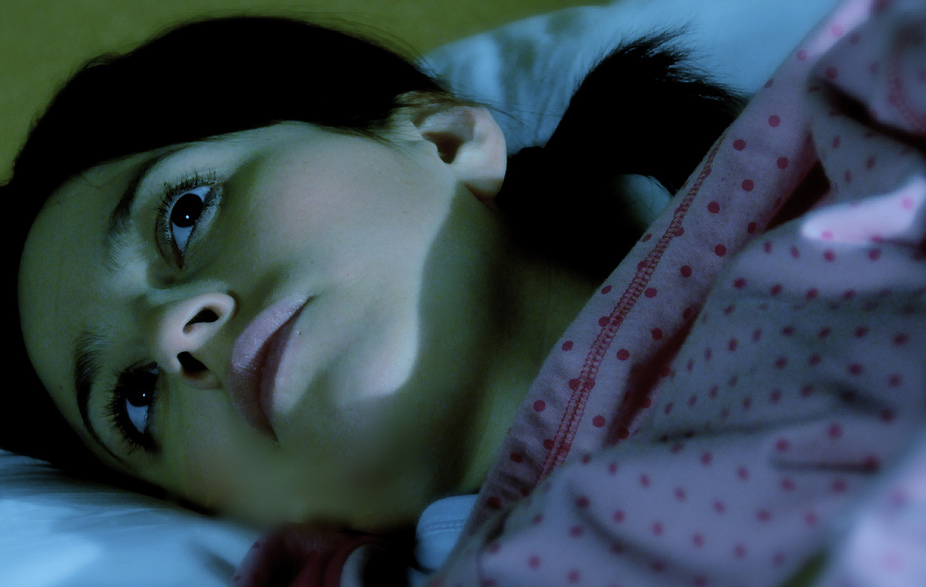
Poor sleep can make us feel down, worried and stressed. So it’s no surprise that how well we sleep has a direct impact on our physical and mental health.
Sleep problems such as insomnia are a common symptom of many mental illnesses, including anxiety, depression, schizophrenia, bipolar disorder and attention deficit hyperactivity disorder (ADHD).
The relationship between insomnia and mental illness is bidirectional: about 50% of adults with insomnia have a mental health problem, while up to 90% of adults with depression experience sleep problems.
Sleep problems can also create a loop, slowing recovery from mental illness. People with depression who continue to experience insomnia, for instance, are less likely to respond to treatment for depression. They are also at greater risk of relapse than those without sleeping problems.
Emotional processing
It is unclear how insomnia makes a person more likely to develop mental illness. Research suggests, however, that it may affect our ability to process negative emotions.
In one study, sleep-deprived people were found to show greater emotional reactivity to unpleasant images than to pleasant images or images with neutral emotional content. People who weren’t sleep-deprived showed no differences in emotional reactivity.
In another study, brain scans revealed that people with insomnia showed greater activity in the brain’s emotional processing area when they used a strategy to reduce their negative reactions to images than when they did not use this strategy.
That suggests insomnia makes it difficult to react appropriately to negative emotions. This may exacerbate their sleep difficulties and make them vulnerable to experiencing depression.
Cognitive behaviour therapy treatment of insomnia includes training in how to interpret emotional information less negatively.
There is also some evidence that mental illnesses may arise from problems within brain circuits that overlap with those that regulate our body clocks or sleepiness timing system.
Treating mental illness and insomnia
Treatment of mental illness is likely to lead to some improvement in sleep problems, especially for mild symptoms of mental illness.
But insomnia tends to persist unless it is directly targeted for treatment. In one research trial, 51% of individuals who overcame depression after psychological treatment (cognitive behaviour therapy) or medication were still experiencing insomnia.
Research is now focusing on whether treatment of insomnia will also improve mental health outcomes for people with mental illness, including depression and anxiety.
There is some evidence that both medication and psychological treatment of insomnia (via cognitive behaviour therapy) will improve the symptoms of mental health problems.
So can mental illness be prevented by treating insomnia?
A recent Australian research trial with 1,149 participants does suggest that treatment of insomnia reduces depression symptoms.
Participants who completed a cognitive behaviour therapy-based insomnia intervention showed a lower incidence of depression symptoms than those who were given health information with no insomnia treatment content.
If you have insomnia, speak to your doctor. If warranted, he or she can refer you to a specialist sleep doctor or psychologist. They can assess how your insomnia and any associated mental health difficulties interact and tailor your treatment accordingly.
 Jo Abbott does not work for, consult, own shares in or receive funding from any company or organization that would benefit from this article, and has disclosed no relevant affiliations beyond the academic appointment above.
Jo Abbott, Research Fellow / Health Psychologist, Swinburne University of Technology
This article was originally published on The Conversation. Read the original article.







