


 Europe Jet Fuel Deficit Drives South Korean Imports to Four-Year High
  MediaTek Unveils 2nm Dimensity 9600 Pro AI Chip
  S&P 500 Historically Rallies After Midterm Elections, UBS Says
  Fed Rate Hike Threatens Housing as U.S. Growth Leans on AI, Citi Says
  Big AI wants to slow down AI research. Is it a safety pause or a strategic retreat?
  fnny Beta Launches With a Simple Idea: Find an Event, Show Up, Get Rewarded
  Databricks to Invest $350 Million in Singapore AI Expansion
  Oil Prices Rise as Houthi Strikes on Riyadh Fuel Middle East Tensions
  Vietnam Stocks Join FTSE Emerging Market Indexes, Unlocking Billions in Foreign Investment
  China Reviews Broadcom Switch Use in State Data Centres
  Qualcomm Gains on $60B Amazon AI Chip Deal
  DOJ Will Investigate AI-Related Crimes, Attorney General Blanche Says


 Add as a preferred source on Google
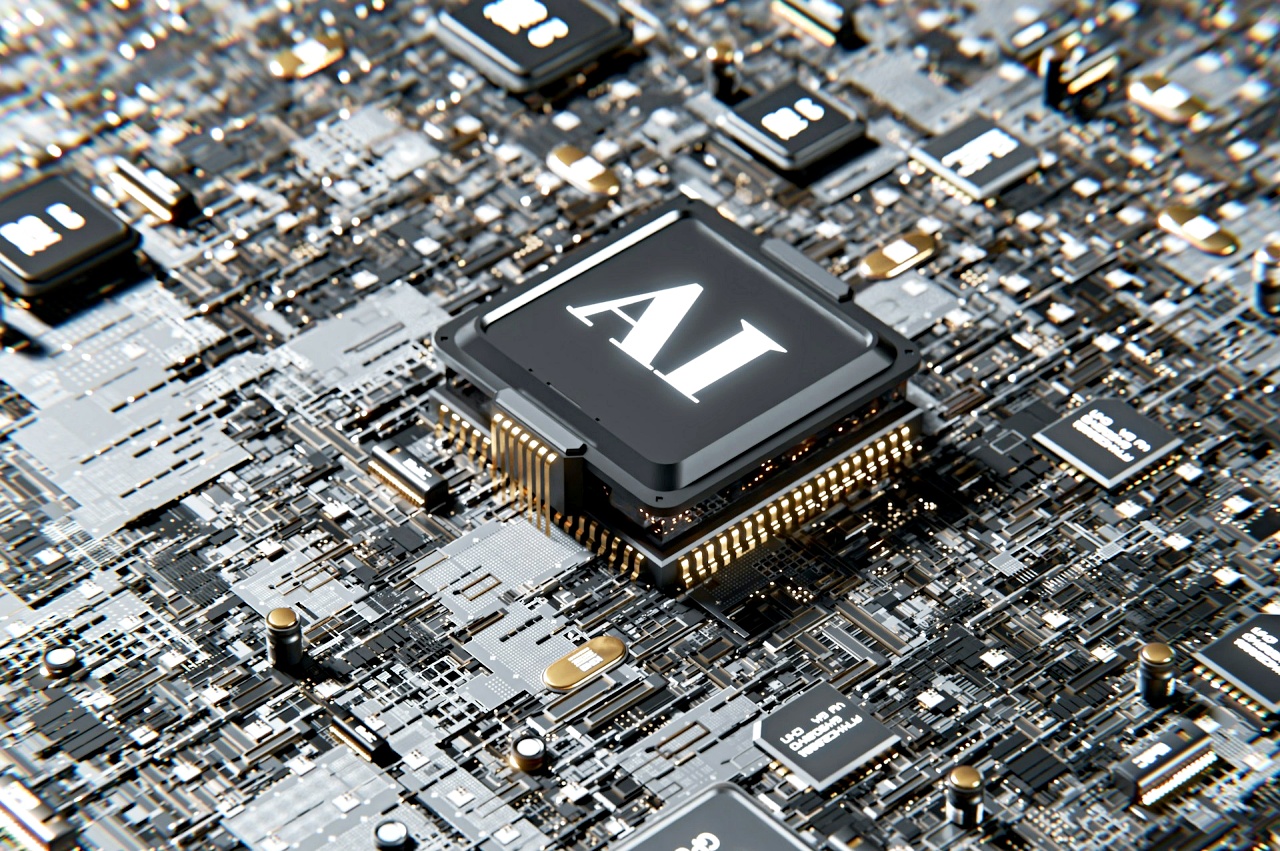
New research from HSBC reveals that only about a quarter of European companies have adopted artificial intelligence—roughly half the adoption rate seen in the United States. While sectors such as financial services, communication services, industrials, and technology show stronger AI integration, overall uptake across Europe remains subdued compared with U.S. businesses, which are rapidly embracing AI-driven transformation.
According to HSBC, American companies already utilizing AI have reported measurable improvements, including increased productivity, reduced operational costs, and stronger share price performance. In contrast, European firms using AI have not experienced the same level of market outperformance. The bank attributes this gap to both structural challenges and a more conservative approach toward implementing advanced technologies within European organizations.
HSBC highlights two key factors contributing to Europe’s slower progress: companies across the continent often adopt AI more cautiously, and typical European AI adopters generate less revenue and net income per employee compared with their U.S. counterparts. This dynamic may delay the visible impact of AI on financial results for many European businesses.
Despite the lag, the bank points to several promising examples that demonstrate AI’s growing potential in Europe. SAP has reported a remarkable 20-fold boost in productivity through AI-enhanced processes. UniCredit has dramatically shortened consumer loan approval times from 24 hours to just 25 minutes through automation. L’Oréal is using generative AI to accelerate the discovery of new molecules for next-generation hair products, while BP has cut its well-planning timeline by an impressive 90%.
HSBC concludes that “Europe’s AI moment is delayed,” but emphasizes that broader adoption could become a major catalyst for the region’s markets by 2026. As more companies begin to integrate AI into their operations, Europe may eventually unlock the same competitive advantages already seen in the U.S., including efficiency gains, innovation, and improved profitability.







