


 China Sets 1.25% Overnight Reverse Repo Rate Below Market Expectations
  Japan Signals Preference for Low Interest Rates as BOJ Policy Debate Intensifies
  BOJ Rate Hike Expectations Rise as Weak Yen and Strong U.S. Jobs Data Increase Pressure
  ECB Set to Raise Interest Rates as Energy Shock Fuels Eurozone Inflation Concerns
  BOJ Raises Interest Rates to 1% as Inflation Pressures Persist
  Fed Chair Kevin Warsh Signals Policy Overhaul as Hawkish Rate Outlook Rattles Markets
  RBA Minutes Signal Australia Central Bank Remains Ready to Raise Interest Rates if Inflation Persists


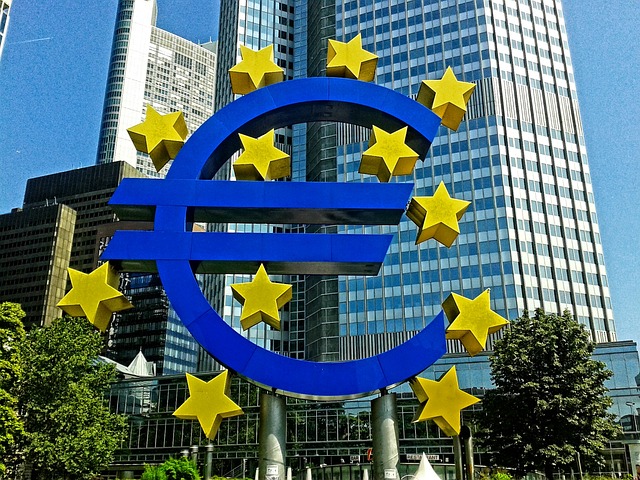
Euro area HICP inflation declined back into deflation territory in September and with 5Y5Y market-based inflation expectations trading below 1.6% for the first time since February, the pressure on the ECB to announce more easing is building.
"We do not see the dip back into deflation as sufficient for the ECB to step up its accommodative monetary policy at the meeting on 22 October", says Danske Bank.
The decline in inflation, which is driven by lower gasoline prices, should not come as a surprise and Mario Draghi has referred to the decline as driven by 'transitory factors', i.e. a decline in oil prices. Furthermore, the latest activity indicators have not weakened considerably and, based on these figures, the ECB should so far be less worried about a negative spill-over effect to sentiment from the weakness in China and EM.
"A more likely trigger for additional easing is the undershoot of core inflation compared with the ECB's forecast that we expect. Markets continue to price in a 50% chance of a deposit rate cut over the coming year but comments from ECB members strongly suggest that a deposit rate cut is by no means first in line on the ECB's list of potential measures. We expect the ECB to extend the QE programme but not until the December ECB meeting at the earliest "added Danske Bank.







