


 Wall Street Surges as Meta Leads AI Rally, Oil Prices Fall
  Vietnam, US Trade Deal Could Be Signed Soon, To Lam Says
  Gold Prices Slip as Strong Dollar and Hawkish Fed Pressure Bullion
  Gold Prices Hold Steady Ahead of Trump-Xi Summit, Middle East Risks
  Asia Stocks Rise on AI Demand as Oil Eases
  US, Japan and South Korea Back Taiwan Ahead of Trump-Xi Summit
  UK Home Asking Prices Rise for First Time Since May
  US-China Talks Target AI, Tariffs Ahead of Trump-Xi Summit
  U.S. Dollar Hits Eight-Week High After Fed Rate Hike
  Oil Prices Rise as U.S.-Iran Talks Fuel Diplomacy Hopes
  Gold Prices Rise as Oil Slide Eases Fed Rate Hike Fears
  Gold Prices Rise as Oil Slump Eases Fed Rate Hike Fears
  Oil Prices Extend Losses as U.S.-Iran Talks Ease Supply Fears
  Europe Jet Fuel Deficit Drives South Korean Imports to Four-Year High
  Asian Currencies Muted as Dollar Firms Ahead of Trump-Xi Summit


 Add as a preferred source on Google
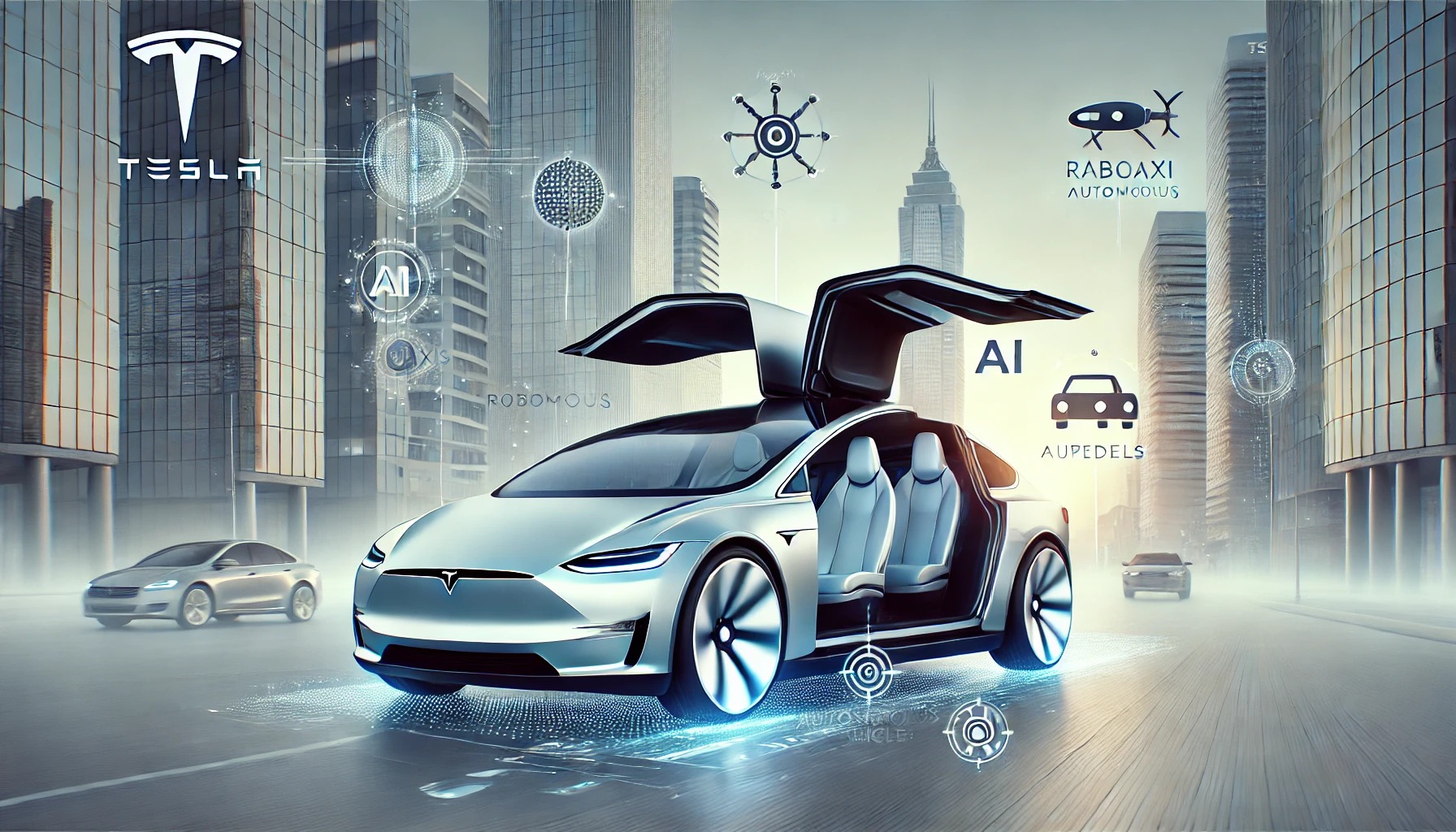
Elon Musk has once again captured attention, revealing Tesla’s latest innovations at a high-profile event, including a futuristic robotaxi featuring gull-wing doors and no steering wheel or pedals. As Tesla transitions from its roots as an affordable electric vehicle manufacturer to a leader in AI-driven robotics, the focus on autonomous vehicles continues to intensify.
Tesla's Robotaxi: A Glimpse into the Autonomous Future
At the "We, Robot" event in Los Angeles, Musk showcased Tesla’s new robotaxi, which he called the "Cybercab", a fully autonomous vehicle expected to enter production by 2026. Musk revealed that the Cybercab will cost under $30,000, and the operating cost per mile is estimated to be as low as $0.20, thanks to inductive charging technology that eliminates the need for plugs.
Powered by artificial intelligence (AI) and cameras, Tesla's robotaxis aims to stand apart from competitors by avoiding the use of expensive hardware like LIDAR, which rivals like Alphabet's Waymo rely on. Musk’s vision for autonomy has faced skepticism, with investors and analysts citing technical and regulatory hurdles, but he remains optimistic about Tesla's approach.
Autonomous Vehicle Fleet and the Robovan
In addition to the Cybercab, Musk introduced the Robovan, a larger self-driving vehicle capable of carrying up to 20 passengers. This marks Tesla’s broader move into AI-driven vehicles, emphasizing their ambition to lead the autonomous mobility space.
Tesla’s plan includes operating a fleet of self-driving taxis, which users can hail through an app, much like current rideshare services. Individual Tesla owners will also have the opportunity to earn income by listing their cars as robotaxis on the platform.
"The autonomous future is here," said Musk. "Tonight, we have 50 fully autonomous vehicles on display, including the Model Y and the Cybercab, all operating without drivers."
Investors Want More Details on Production Timelines
While the event was packed with impressive technology, some investors were left wanting more concrete details. Many were hoping for clear production timelines and regulatory approval updates, which are critical factors in Tesla's plan to dominate the autonomous vehicle market. Dennis Dick, an equity trader at Triple D Trading, expressed his disappointment, stating, "Everything looks cool, but there wasn’t much in terms of timelines. The market expected more specifics."
Tesla has faced missed deadlines in the past, particularly in 2019, when Musk confidently predicted operational robotaxis by 2020. Although those promises have yet to be fulfilled, Musk redirected Tesla’s focus on autonomous vehicles after abandoning plans for a cheaper EV model, previously seen as vital to counter waning demand in the EV market.
Tesla Faces Market and Regulatory Challenges
As competition in the robotaxi space intensifies, companies such as Waymo, General Motors' Cruise, and Amazon’s Zoox continue to push forward. Despite these challenges, Musk believes that Tesla’s reliance on AI and camera systems, rather than costly hardware, will give the company a competitive edge in keeping costs low.
However, Full Self-Driving (FSD), Tesla’s current autonomous driving technology, has faced regulatory scrutiny, especially following accidents linked to the system. Musk did announce that fully autonomous FSD would begin in Texas and California next year with the Model 3 and Model Y, though he did not clarify whether robotaxis would utilize any new technology.
The Future of Tesla and Autonomous Vehicles
Musk’s ambition to transform Tesla into a global leader in autonomous driving continues to shape the company's strategy. As Tesla shifts its focus from mass-market electric vehicles to robotics and AI, the success of its robotaxi and Robovan projects will depend heavily on overcoming both regulatory hurdles and production challenges.
Tesla investors, fans, and analysts remain eager to see if the company can deliver on Musk’s bold promises and lead the world into a new era of autonomous transportation.







