


 US Plans Two New Military Bases in Greenland Under Arctic Deal
  China Tightens Fentanyl Rules Ahead of Trump-Xi Summit
  Russian Strikes Kill Eight Across Ukraine as Energy Sites Hit
  Trump Administration Prepares Sanctions Against Entire ICC
  Macron, Trump Discuss Ukraine-Russia Energy Strike Moratorium
  Marco Rubio to Meet Russia’s Lavrov in New York
  Taiwan Vows to Advance US Arms Sales Ahead of Trump-Xi Meeting
  Zelenskiy Warns Russia Preparing Major Attack on Ukraine
  Trump Says U.S.-Iran Peace Deal Near After UN Talks
  Iran Vows ‘Crushing’ Response as US Talks Continue
  US, Japan and South Korea Back Taiwan Ahead of Trump-Xi Summit
  Zelenskiy Meets CIA Chief John Ratcliffe at Ireland’s Shannon Airport
  US, Denmark and Greenland Set to Sign Arctic Security Deal
  CNN, MS NOW and Politico Sue Trump Over White House Media Ban
  Scott Bessent Eyed as Trump’s New AI Czar
  Trump Scales Back Endangered Species Act Protections
  Trump to Press Xi on Release of US Nuclear Expert Held in China


 Add as a preferred source on Google
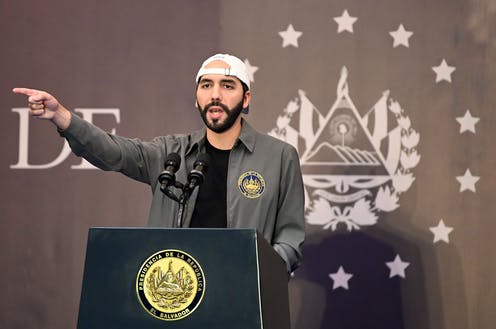
El Salvador’s two main opposition parties have officially selected their candidates to challenge President Nayib Bukele in the country’s next presidential election, scheduled for February 2027, as the incumbent prepares to seek another term following constitutional reforms.
The right-wing Nationalist Republican Alliance (ARENA) nominated former lawmaker Maytee Iraheta as its presidential candidate after an internal party vote. Iraheta confirmed her candidacy on Sunday, marking a historic milestone for ARENA, as both its presidential nominee and running mate are women for the first time in the party’s history.
Meanwhile, the left-wing Farabundo Marti National Liberation Front (FMLN) named physician and union leader Rafael Aguirre as its presidential candidate. The party announced the decision in a written statement after completing its own internal selection process.
Earlier this month, Bukele’s ruling Nuevas Ideas (New Ideas) party formally nominated the 45-year-old president to run again in 2027, alongside Vice President Felix Ulloa. The nomination follows constitutional changes approved by the ruling party-controlled legislature last year that eliminated presidential runoff elections, extended presidential terms, and introduced indefinite reelection, allowing Bukele to seek another consecutive term.
Bukele’s party secured an overwhelming victory in the 2024 elections, giving it strong control over the country’s political institutions. Under the revised constitutional framework, the next elected president is expected to remain in office until 2033.
The opposition enters the race with limited political influence. ARENA, which governed El Salvador from 1989 to 2009, currently holds just two seats in the Legislative Assembly. The FMLN, which ruled between 2009 and 2019, lost its parliamentary representation entirely after the 2024 elections.
Despite criticism from domestic and international human rights organizations, Bukele continues to enjoy strong public support. His aggressive anti-gang strategy under a prolonged state of emergency has significantly reduced crime and included mass arrests, large-scale trials, and the construction of a high-security mega-prison that also temporarily housed Venezuelan migrants deported from the United States.
Human rights groups have accused Bukele’s government of arbitrary detentions, torture, deaths in custody, and due process violations. Bukele has consistently rejected those allegations, arguing that his security policies are essential to restoring public safety and dismantling organized crime in El Salvador.







