


 Bank of America Says These Overlooked AI Stocks Could Be the Next Winners
  Belimo H1 Sales Surge as AI Data Center Cooling Drives More Than Half of Growth
  SpaceX Targets Thursday Launch for Starship's 13th Test Flight After Last-Minute Delay
  Nvidia Reveals 9.3% Stake in AI Cloud Firm Nebius Following $2 Billion Investment
  Morgan Stanley Downgrades Adobe, Workday as AI Transition Raises Growth Concerns
  Foxconn Wins First SpaceX AI Server Contract Worth Estimated $52 Billion
  TSMC Sees Multi-Year AI Chip Demand as Arizona Expansion Reaches $265 Billion
  US, China to Hold AI Talks Ahead of Xi’s September Visit
  Sam Altman Admits OpenAI Missteps, Promises Major AI Comeback Focused on User Freedom
  ASML Trillion-Dollar Valuation: Can Europe’s AI Chip Giant Reach the Historic Milestone?
  Judge Approves Anthropic’s $1.5 Billion AI Copyright Settlement With Authors
  Australia ASIC Tightens Auditor Oversight After KPMG Leak Scandal
  Mikron H1 2026 Sales Fall 5.9% as Automation Weakness Weighs on Profit
  SpaceX Stock Falls Below IPO Price as Investors Weigh Losses and Lockup Expiry
  Samsung Cuts U.S. Consumer Electronics Jobs as Headquarters Moves to Texas
  Samsung Biologics Launches $1.81 Billion Bid to Acquire PolyPeptide
  Chalco Shares Jump as Chinalco Plans Up to $300 Million Stake Increase


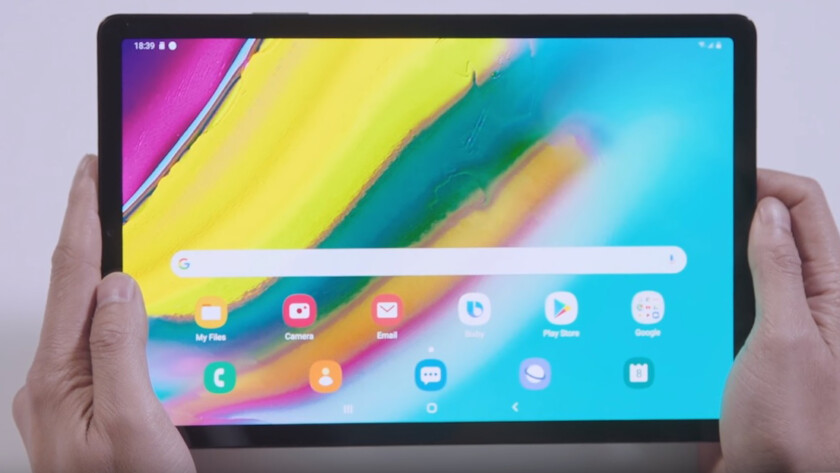
The Egyptian government has agreed to manufacture Samsung's educational tablets as part of its strategy to localize the technology sector.
The contract with South Korean technology company Samsung would last for five years.
The tablet's specifications, which should be updated every two years, and the selling price have not been agreed upon.
Samsung had previously offered to invest about $30 million to establish a tablet factory in Egypt. The factory would have the capacity to produce up to one million devices annually.
Before the country's agreement with Samsung, Egypt's Ministry of Communications and Information Technology had negotiated with international companies early this year to determine the best offers to manufacture tablets locally.
Two days ago, Egyptian PM Mostafa Madbouly chaired a meeting on the localization of the tablet industry after previously indicating that manufacturing would start as soon as an agreement with Samsung was reached.







