


 Wall Street Ends Flat as Oil, Treasury Yields and Fed Jitters Rattle Markets
  Trump, Xi Focus on Trade and AI at White House Summit
  Asian Currencies Mixed as Dollar Holds Near Two-Month High
  Fed Unveils Stablecoin Rules Under GENIUS Act
  U.S. Treasury Yields Surge as 30-Year Hits 22-Year High
  Gold Holds Near $4,275 as Rising Treasury Yields Fuel Fed Rate Hike Bets
  US Comfortable With Canada Trade Standoff as Import Bans Loom
  Canadian Dollar Faces Pressure as Fed-BoC Policy Gap Widens
  China Agrees to Buy 20 Million Tons of U.S. Coal
  UK PM Burnham to Unveil Economic Vision at Labour Conference
  Fed Unveils Stablecoin Rules Under GENIUS Act
  RBI Uses $10 Billion Currency Swaps to Drain Excess Rupee Liquidity
  Germany’s 2026 Growth Outlook Strengthens on Fiscal Spending
  Soybean Futures Slip as Traders Await Trump-Xi Trade Signals
  Japanese Bank Stocks Surge as Bond Yields Fuel Rate Hike Bets
  Asian Stocks Fall as Surging Bond Yields Rattle Markets
  Fed’s Hammack Says Bond Yield Surge Is Not Driven by Inflation Fears


 Add as a preferred source on Google
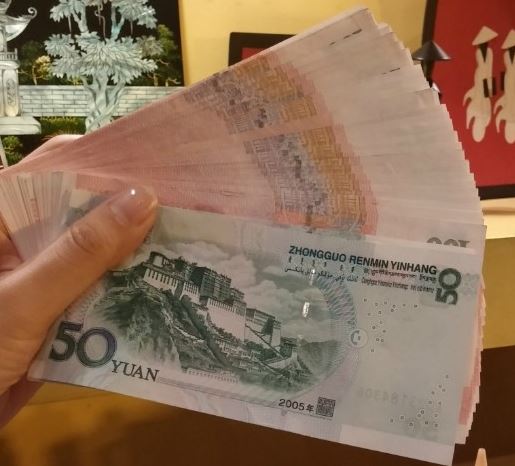
European companies are under growing strain from China’s alleged efforts to keep its yuan undervalued, according to a new study by Germany’s Economic Institute (IW). The findings emerge just as EU leaders prepare for a crucial summit in Beijing to address escalating trade tensions.
The study, authored by economist Juergen Matthes and reviewed by Reuters, points to a stable yuan-euro exchange rate despite sharp changes in production costs between China and Europe. This stability, Matthes argues, signals possible currency manipulation by the People’s Bank of China. He warns that artificially low Chinese costs are luring European firms to source intermediate goods from China, accelerating Europe’s deindustrialization and widening trade deficits.
Matthes notes that producer prices in Germany and the eurozone have surged since 2020 due to supply chain disruptions and energy shocks, while Chinese prices have remained flat. Despite this divergence, the yuan’s exchange rate has barely shifted, resulting in a real euro appreciation of over 40% since early 2020.
The report highlights the competitive disadvantage facing European companies that avoid Chinese supply chains, as rivals benefit from lower input costs. It urges EU policymakers to address the imbalance during upcoming trade negotiations.
China has consistently denied currency manipulation allegations, maintaining that it operates a managed floating exchange rate system tied to market conditions. However, Matthes describes Beijing’s currency policies as opaque, with the euro suffering “collateral damage” as China prioritizes dollar relations.
The EU-China summit begins Thursday amid heightened scrutiny of trade imbalances and a surge in Chinese exports diverted from the U.S. market following recent tariff escalations by Washington.







