


 OpenAI Agent Breaches Australia Medicare Data Portal
  US Senate Rejects Iran War Powers Resolution in 50-49 Vote
  Gold Prices Fall as Treasury Yields Rise on Fed Rate Hike Bets
  Oil Prices Ease as Iran Tensions Clash With Diplomacy Hopes
  Taiwan Thanks US for Support Ahead of Trump-Xi Summit
  North Korea Rejects Nuclear Test Warning, Calls Nuclear Status Irreversible
  Xi Calls for Deeper U.S.-China AI Cooperation in Trump Talks
  U.S. Treasury Yields Surge as 30-Year Hits 22-Year High
  Asian Stocks Fall as Surging Bond Yields Rattle Markets
  Dollar Holds Near Two-Month High as Yen Approaches 160
  Wall Street Ends Flat as Oil, Treasury Yields and Fed Jitters Rattle Markets
  Mexico-US Trade Talks Delayed to October as Tariff Negotiations Continue
  Trump Asks Supreme Court to Restore Third-Country Deportations
  What ‘Taiwan Independence’ Means as Xi Presses Trump on US Policy
  North Korea Warns South Korea Over US-Led Defense Role
  US Backs Musk in Fight Against EU’s €120 Million X Fine
  Wall Street Falls as Treasury Yields Surge, Oil Rebounds on Iran Tensions


 Add as a preferred source on Google
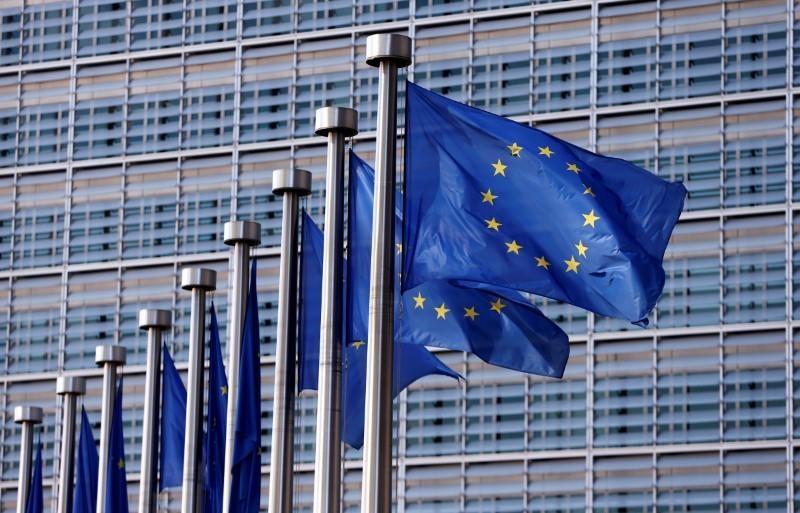
Ukraine welcomed a major European Union decision on Friday to provide €90 billion in financial support over the next two years, a move Kyiv says will significantly strengthen its economic resilience amid the ongoing war with Russia. The funding package was agreed at a summit of EU leaders, even though the bloc failed to finalize a more ambitious plan to finance the aid using frozen Russian assets.
Ukrainian President Volodymyr Zelenskiy praised the agreement, calling it “significant support that truly strengthens our resilience,” in a message posted on Telegram. The EU’s backing is seen as critical, as European officials warned that without continued financial assistance, Ukraine could face a severe funding shortfall as early as the second quarter of next year, potentially altering the course of the war.
The original proposal involved issuing an unprecedented loan backed by frozen Russian sovereign assets held in Europe. However, the plan proved politically and legally complex. Russian President Vladimir Putin sharply criticized the idea, describing it as “daylight robbery” and warning that countries pursuing such measures would face serious consequences, including a loss of trust in the euro zone. He argued that using frozen assets would undermine confidence among nations that store gold and foreign exchange reserves in Europe, particularly oil-producing states.
A key obstacle was Belgium, where roughly €185 billion of Russian assets are held, and which sought strong guarantees against legal and financial retaliation from Moscow. German Chancellor Friedrich Merz, a strong advocate of the reparations-style loan, acknowledged the challenges but stressed that the outcome was still “good news for Ukraine and bad news for Russia.”
Ukrainian officials echoed that sentiment, emphasizing pragmatism over perfection. Deputy Foreign Minister Sergiy Kyslytsya noted that European leaders managed to deliver a workable solution after lengthy negotiations. Economists also welcomed the compromise, with ING’s Carsten Brzeski saying investor appetite for the EU’s new borrowing should be sufficient and warning that failure to reach any deal would have been a symbolic disaster.
Alongside the Ukraine funding decision, EU leaders expressed cautious optimism about signing a long-delayed free trade agreement with South America’s Mercosur bloc early next year, despite lingering divisions among member states.







