


 Lula and Flavio Bolsonaro Tied in Brazil Runoff Poll
  Sudan Rejects US Legitimacy Remarks, Defends Sovereignty
  Macron Challenges Trump’s Gaza Peace Claims at UN
  US Invites Putin to Miami G20, Opening Door to Trump Summit
  Trump Board of Peace Unveils $2.45 Billion Gaza Recovery Plan
  Trump Meets Venezuela’s Delcy Rodriguez at UN Assembly
  Gaza Faces Evacuation Crisis as War-Damaged Buildings Risk Collapse
  China Tightens Fentanyl Rules Ahead of Trump-Xi Summit
  Russian Strikes Kill Eight Across Ukraine as Energy Sites Hit
  Trump to Press Xi on Release of US Nuclear Expert Held in China
  Zelenskiy Warns Russia Preparing Major Attack on Ukraine
  OpenAI Agent Breaches Australia Medicare Data Portal
  Russian Missile and Drone Attack on Kyiv Kills Two, Damages Maternity Hospital
  US Officials Split Over Response to Israeli West Bank Settlements
  Mexico-US Trade Talks Delayed to October as Tariff Negotiations Continue
  South Korea, US Discuss Warship Building Cooperation
  Taiwan Thanks US for Support Ahead of Trump-Xi Summit


 Add as a preferred source on Google
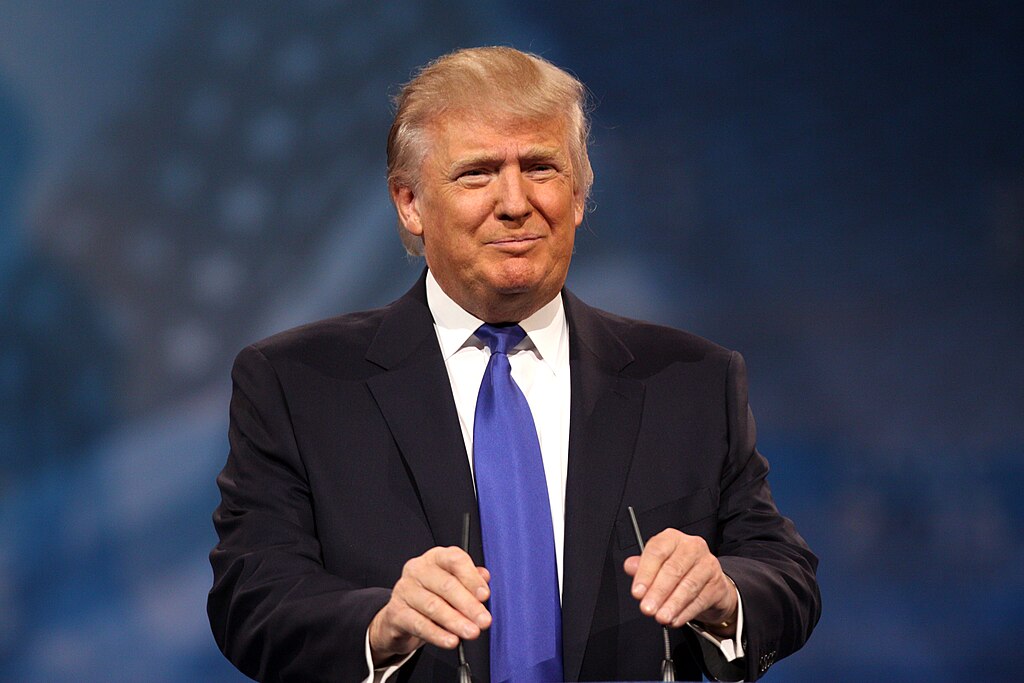
President-elect Donald Trump has reignited national debate over voting rights with a sweeping proposal to overhaul the U.S. electoral system. Speaking Thursday night at a Fox Nation-organized event in Long Island, where he accepted the “Patriot of the Year” award, Trump detailed his plans to implement same-day voting, voter ID requirements, and citizenship proof for casting ballots.
A Push for Sweeping Election Reform
Trump, 78, received the award after a rousing rendition of God Bless the USA and wasted no time diving into his controversial proposals. “We need to straighten out elections in this country,” he declared to a crowd of supporters. “We’re talking about paper ballots, one-day voting, voter ID, and proof of citizenship.” He also criticized a recent California law that prohibits requiring voter identification at polling stations, calling it “a crime to democracy.”
This isn’t the first time Trump has championed changes to the electoral system. During an August rally in Johnstown, Pennsylvania, he pushed for eliminating mail-in voting entirely and returning to paper ballots. Critics argue these changes would make voting harder for certain groups, including rural and disabled voters, who rely heavily on early or mail-in voting.
Controversy Over Voting Access
While Trump has framed his proposals as a means of ensuring election integrity, detractors contend they could disenfranchise millions. Civil rights advocates warn that requiring citizenship documentation could disproportionately affect nonwhite voters, many of whom lack easy access to such paperwork. According to NPR, these voters often lean Democratic, raising concerns that the changes could have political motivations.
Mail-in voting has become a contentious topic in recent years, particularly since the pandemic. In 2024, nearly 90 million Americans utilized mail-in or early voting options, marking a dramatic shift in how elections are conducted. While Trump previously decried mail-in ballots as “dangerous” and linked them to fraud, he later reversed course, urging his supporters to vote early during the 2024 election cycle.
Federal Election Commission data underscores the rarity of voter fraud, with rates less than 0.0009 percent nationwide. Still, Trump’s campaign has pointed to isolated incidents, such as the 2018 North Carolina primary, to bolster its claims.
Mixed Reactions Online
Social media users reacted swiftly to Trump’s proposals, with opinions divided:
- @VoteForJustice: “Trump wants same-day voting? What about disabled voters who can’t make it to the polls? Unbelievable.”
- @PatriotForChange: “Finally, someone addressing the mess that is mail-in voting. One-day voting is how it should be!”
- @DemocracyNow: “Citizenship papers for voting? This is voter suppression dressed up as reform.”
- @RuralVoter22: “As someone who votes early because of my job, this would make voting nearly impossible for me.”
- @ElectionTruth: “How is asking for voter ID controversial? We need integrity in elections, plain and simple.”
- @InclusivityMatters: “Paper ballots? We’re regressing instead of progressing. What about accessibility and modernization?”
Challenges Ahead for Trump’s Plan
While Trump’s proposals align with his long-standing narrative of strengthening election integrity, critics argue they could alienate key voter groups. For example, rural areas in battleground states—which have high rates of early voters—could face logistical hurdles with one-day voting. Likewise, requiring photo IDs and citizenship documentation might inadvertently exclude marginalized communities.
Despite these concerns, Trump’s messaging resonates with his base, which remains committed to his vision of revamping the electoral process. However, analysts warn that any attempt to implement these reforms would likely face legal challenges.







