


 Trump Says Iran Talks Halted as Hormuz Dispute Pushes Oil Higher
  US, South Korea Cut Joint Military Drills After Trump Orders Reduced Role
  Israeli Airstrikes Kill 10 Palestinians in Gaza as Ceasefire Diplomacy Stalls
  Canada Faces 50% U.S. Tariffs as Trade Tensions Threaten USMCA Talks
  Trump Eyes Kim Jong Un Meeting, Cites North Korea’s 57 Nuclear Weapons
  Trump Administration Allocates $206 Million for Gaza Peacekeeping Force
  Trump Approval Rating Hits Presidency Low as Iran War Concerns Grow
  Israel, Syria Discuss Turkey’s Military Presence Before Airstrike
  Trump Says Kim Jong Un Responded to Outreach After US Scales Back South Korea Military Drills
  UN Chief Raises Concern Over US Sanctions on ICC Officials
  Trump Pauses 50% Canada Tariffs for Three Days as U.S. Trade Deal Takes Shape
  Gaza Zoo Struggles to Save Animals Amid War
  Angie Nixon Scores Florida Senate Primary Upset as Key Midterm Races Take Shape
  Philippines Confident in U.S. Defense Commitment Despite Middle East Redeployment
  Prince Harry and Meghan Markle Reportedly Plan UK Move With Children
  US Eyes Refinery Boost as Trump Seeks Relief From High Gas Prices
  US CENTCOM Chief Praises USS Abraham Lincoln Crew Amid Mental Health Concerns


 Add as a preferred source on Google
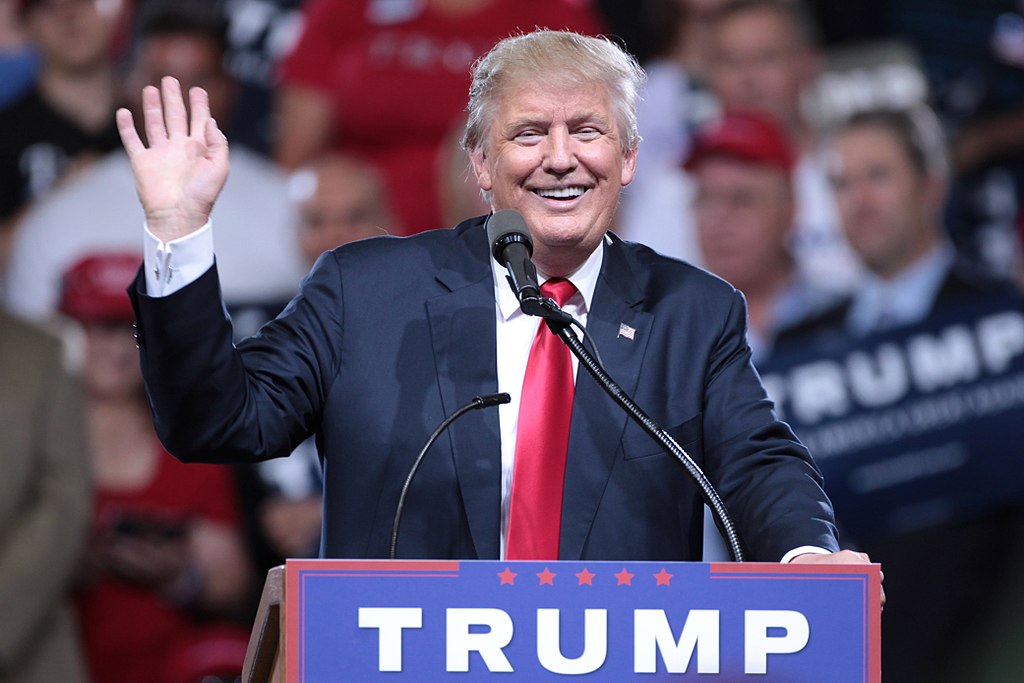
As Donald Trump prepares for his return to the White House in 2025, the former president has outlined an ambitious agenda for U.S. veterans, promising improved healthcare access, streamlined benefits, and stronger support systems. However, skeptics question whether these pledges will translate into meaningful reforms or fade into the backdrop of political posturing.
Promises of Comprehensive Reform
Trump’s campaign emphasized a robust overhaul of veterans’ services, building on his previous efforts during his first term. The most notable proposal includes expanding healthcare options through the Veterans Affairs (VA) system, giving veterans access to private healthcare providers. Trump argues this approach will reduce wait times and increase the quality of care—a promise veterans have long hoped to see fulfilled.
Additionally, Trump pledged to tackle veterans’ homelessness, proposing an unprecedented $2 billion allocation to fund housing programs, job training initiatives, and mental health resources. The plan also includes enhanced educational benefits under the GI Bill, offering expanded scholarships for veterans pursuing higher education or technical training.
In another headline-making promise, Trump vowed to create a “Veterans Task Force,” designed to hold VA officials accountable and address systemic issues in real time. This task force, he says, will ensure that bureaucracy no longer hampers veterans’ access to critical resources.
Critics Raise Concerns Over Feasibility
While Trump’s agenda has garnered praise from some veterans’ advocacy groups, critics are quick to highlight potential obstacles. During his first term, Trump made similar promises, such as improving VA services and streamlining benefit claims, but many argue that these efforts fell short of expectations.
Political analysts also warn that Trump’s ambitious spending proposals face significant legislative hurdles, especially with a divided Congress. Questions remain about how these programs will be funded, with critics suggesting the proposed $2 billion allocation might come at the expense of other crucial domestic programs.
Veterans' advocates have expressed mixed feelings about expanding private healthcare access. While many support reducing wait times, some worry that it could undermine the VA system by diverting resources away from government-run facilities.
The Shadow of Past Promises
Trump’s previous tenure saw the implementation of the VA MISSION Act, which aimed to expand private care options for veterans. While the act was considered a step in the right direction, critics argue that it created confusion about eligibility requirements and failed to address staffing shortages within the VA.
The recurring debate over privatization versus strengthening the VA continues to polarize opinions. Some veterans feel that Trump’s plans are genuine attempts to reform the system, while others believe they are politically motivated promises designed to win votes without addressing the root issues.
Will 2025 Be Different?
As Trump sets the stage for his return to the presidency, the spotlight remains on whether he can deliver on his ambitious vision for America’s veterans. With promises ranging from systemic reforms to financial investments, veterans and their families await concrete actions to back the rhetoric.
While his supporters applaud his commitment, skeptics demand results. The next four years will determine whether Trump’s veterans' agenda becomes a cornerstone of his presidency—or another set of unfulfilled promises.







