


 Trump Says ‘Freedom’ Is Coming to Cuba
  Marco Rubio to Meet Russia’s Lavrov in New York
  Trump Administration Prepares Sanctions Against Entire ICC
  Trump Board of Peace Unveils $2.45 Billion Gaza Recovery Plan
  UK, Mauritius Seek Diego Garcia Base Deal
  Taiwan Vows to Advance US Arms Sales Ahead of Trump-Xi Meeting
  Vietnam, US Trade Deal Could Be Signed Soon, To Lam Says
  US Plans Two New Military Bases in Greenland Under Arctic Deal
  Zelenskiy Meets CIA Chief John Ratcliffe at Ireland’s Shannon Airport
  Macron Challenges Trump’s Gaza Peace Claims at UN
  Trump to Press Xi on Release of US Nuclear Expert Held in China
  Canada Unveils Bill to Fast-Track Major Resource Projects
  Lula Meets Mamdani in New York as Elections Approach
  Zelenskiy Warns Russia Preparing Major Attack on Ukraine
  Trump Scales Back Endangered Species Act Protections
  US, Denmark and Greenland Set to Sign Arctic Security Deal
  Carney Condemns Belleville Synagogue Shooting That Wounded Police Officer


 Add as a preferred source on Google
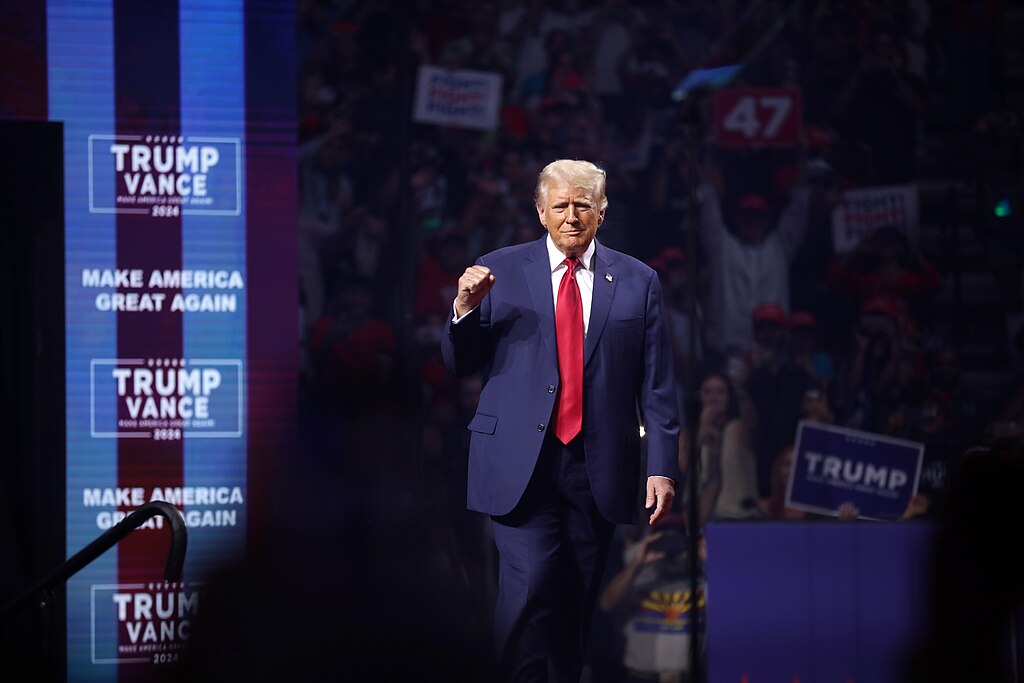
In a bold new policy announcement at his Mar-a-Lago press conference today, President Donald Trump outlined a proposal to seize the assets of criminal gangs and drug cartels, directing these funds to establish a compensation fund for victims of migrant-related crime. Trump described the initiative as a critical measure to address the impact of cartel-driven crime on U.S. communities, highlighting his administration’s commitment to making what he called “America’s safety and sovereignty the utmost priority.”
The former president presented the plan as a direct countermeasure against what he described as “unchecked criminal elements” that, in his view, thrive under current immigration policies. Trump argued that the funds acquired from cartel seizures could help families and individuals who have been harmed by violent crimes tied to drug trafficking and criminal organizations. “The American people shouldn’t have to foot the bill for crimes committed by these violent cartels,” he declared. “It’s time we turn their profits into justice for our citizens.”
According to Trump, the proposed policy will target assets such as money, real estate, and luxury possessions obtained by cartels operating within or affecting the U.S. These assets, once seized, would be reallocated to support crime victims, particularly those impacted by the consequences of drug trafficking and violence at the southern border.
“We’re talking about millions, maybe billions, of dollars worth of resources that are in the hands of criminals,” Trump said. “Under this plan, we’ll take that money and use it to help the people who’ve been victimized by their actions. This isn’t about punishment alone; it’s about making a real difference for Americans who’ve suffered due to the lawlessness that’s been allowed to continue for too long.”
The plan also aims to deter criminal operations by financially undercutting cartels’ economic influence. “We’re going to take back our country’s safety and make sure criminals understand that we won’t tolerate their terrorizing of American citizens,” he added, asserting that his administration would prioritize the swift execution of these asset seizures.
Critics of the proposal have raised questions about the legal feasibility of such widespread asset confiscations and the implications of reallocating funds without court proceedings. Civil rights advocates warn that, while targeting cartel assets could reduce crime in the short term, it risks setting a precedent for asset seizures that could be misapplied or lack sufficient oversight.
Despite these concerns, Trump’s proposal has gained notable support among some conservative groups and border-state communities affected by cartel activity. Many see the fund as a restorative justice initiative that compensates those who have suffered losses due to crimes linked to drug trafficking and migrant-related violence.
In his closing remarks, Trump emphasized the plan’s immediate impact, stating, “We won’t stand by while these criminals profit off American tragedy. If elected, I’ll put this policy to work from day one, returning safety to our streets and justice to those affected.”
With the proposal sparking a strong reaction across the political spectrum, the debate surrounding Trump’s approach to criminal cartels and migrant-related crime is expected to intensify as his campaign continues. His supporters have praised the plan’s uncompromising stance, viewing it as an innovative method to address a longstanding problem.







