


 Asian Currencies Mixed as Dollar Holds Near Two-Month High
  US Stock Futures Fall as Treasury Yields Surge Ahead of Trump-Xi Summit
  Asian Stocks Fall as Surging Bond Yields Rattle Markets
  Dollar Holds Near Two-Month High as Yen Approaches 160
  Japan Private-Sector Growth Slows as Domestic Demand Weakens
  Fed Unveils Stablecoin Rules Under GENIUS Act
  Australia Unemployment Hits Five-Year High Despite Strong Jobs Growth
  Dollar Falls as Oil Eases, Yen Jumps on Intervention Signals
  Oil Prices Fall on U.S.-Iran Hormuz Deal Hopes
  Wall Street Ends Flat as Oil, Treasury Yields and Fed Jitters Rattle Markets
  Oil Prices Jump 3% as Houthi Attack Revives Supply Fears
  European Stocks Fall as Bond Yields and Geopolitical Risks Weigh
  Japanese Bank Stocks Surge as Bond Yields Fuel Rate Hike Bets
  Gold Holds Near $4,275 as Rising Treasury Yields Fuel Fed Rate Hike Bets
  China’s ‘Lipstick King’ Says AI Won’t Replace Livestream Hosts
  Gold Prices Fall as Treasury Yields Rise on Fed Rate Hike Bets
  Soybean Futures Slip as Traders Await Trump-Xi Trade Signals


 Add as a preferred source on Google
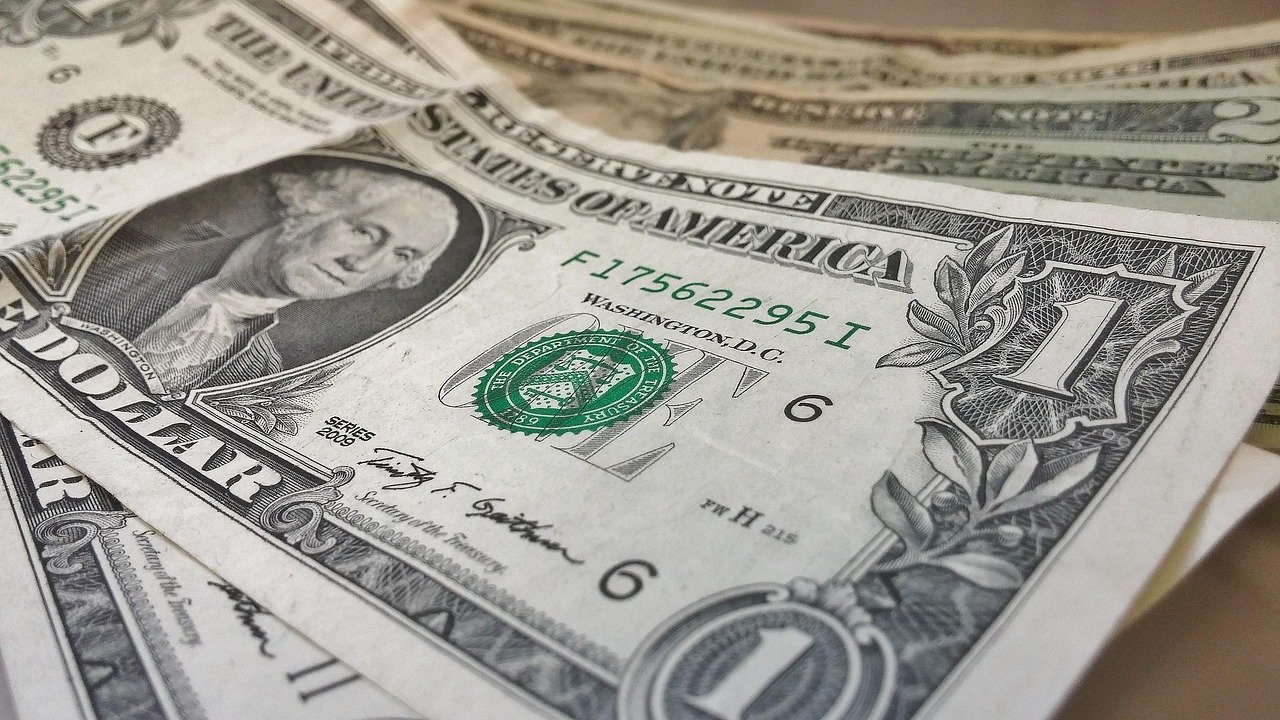
The U.S. dollar hovered near a five-week low on Friday as global investors positioned themselves for a widely anticipated Federal Reserve rate cut next week. The greenback remained under pressure across major currencies, with the yen showing notable strength as expectations rise that the Bank of Japan may resume its rate-hike cycle later in December.
Markets are pricing in a quarter-point rate reduction when the Federal Open Market Committee meets on December 9–10, while traders also anticipate the possibility of two to three additional cuts in 2025, according to LSEG data. The dollar index slipped 0.2% to 98.929 as of 0623 GMT, moving closer to Thursday’s five-week low of 98.765 and setting up a weekly decline of about 0.6%.
The U.S. labor market remains central to the Fed’s decision-making. Initial jobless claims unexpectedly fell to a more than three-year low last week, although analysts caution the Thanksgiving holiday may have distorted the data. Key employment figures typically released in early December have been postponed to mid-month due to delays caused by the recent prolonged government shutdown, which also disrupted several economic reports.
In the absence of fresh jobs data, markets are turning their attention to one of the Fed’s preferred inflation indicators—the core PCE deflator—set for release Friday. Economists expect a modest 0.2% monthly rise in September’s reading, while some analysts, including those at Commonwealth Bank of Australia, see potential for an even softer 0.1% gain, which could further support the case for a rate cut.
Political developments have also weighed on the dollar, with speculation that White House economic adviser Kevin Hassett could succeed Jerome Powell as Fed Chair, raising expectations for a more dovish policy stance.
The dollar slipped 0.3% to 154.46 yen, its weakest level since November 17. Meanwhile, the euro edged up to $1.1659, and the British pound climbed to $1.33505. The Australian dollar advanced to a two-month high at $0.6626, while the Swiss franc strengthened to 0.8026 per dollar.
Global central banks are set for a busy stretch of policy decisions over the next two weeks, keeping currency markets on alert as investors assess the shifting monetary landscape.







