


 Fed Unveils Stablecoin Rules Under GENIUS Act
  US, China Extend Trade Truce to Jan. 10 Ahead of Trump-Xi Summit
  U.S. Dollar Hits Two-Month High as Oil, Treasury Yields Surge
  US Stock Futures Fall as Treasury Yields Surge Ahead of Trump-Xi Summit
  Asian Stocks Fall as Surging Bond Yields Rattle Markets
  RBI Uses $10 Billion Currency Swaps to Drain Excess Rupee Liquidity
  Wall Street Ends Flat as Oil, Treasury Yields and Fed Jitters Rattle Markets
  China’s ‘Lipstick King’ Says AI Won’t Replace Livestream Hosts
  Trump, Xi Focus on Trade and AI at White House Summit
  Oil Prices Surge as U.S.-Iran Diplomacy Hopes Fade
  U.S. Treasury Yields Surge as 30-Year Hits 22-Year High
  Asian Currencies Mixed as Dollar Holds Near Two-Month High
  U.S. 10-Year Treasury Yield Hits 2007 High as Fed Rate Hike Bets Rise
  Fed Unveils Stablecoin Rules Under GENIUS Act
  Asian Stocks Fall as Bond Yields Surge Ahead of Trump-Xi Summit
  South Korea, US Discuss Warship Building Cooperation
  Japanese Bank Stocks Surge as Bond Yields Fuel Rate Hike Bets


 Add as a preferred source on Google
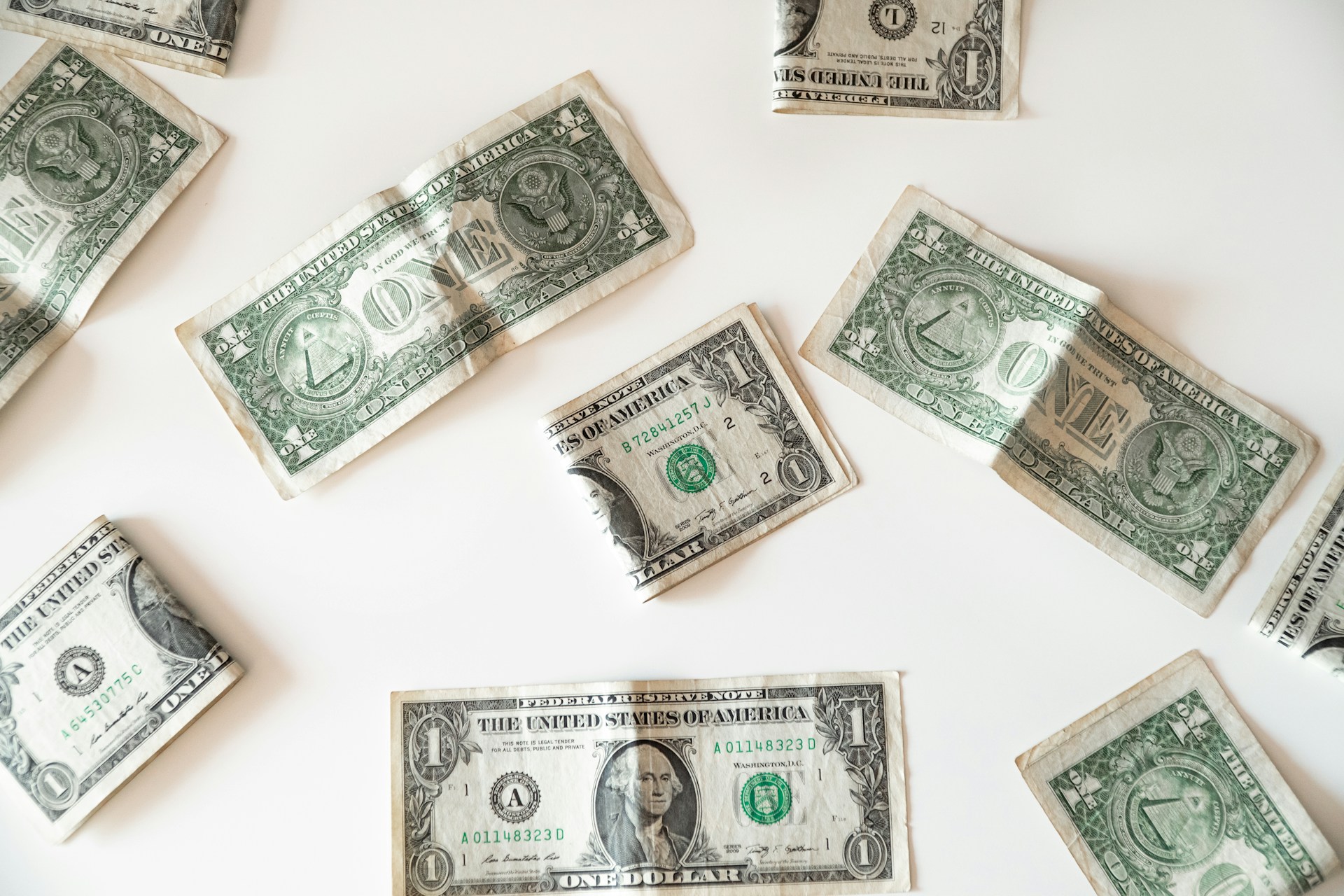
The U.S. dollar extended its rally for a fifth consecutive session on Friday, posting its strongest weekly performance in more than nine months as investors increased expectations for further Federal Reserve interest rate hikes. Rising inflation concerns, higher Treasury yields, and ongoing geopolitical tensions fueled demand for the greenback as a safe-haven asset.
The U.S. Dollar Index climbed 0.5% to 99.30 and gained 1.4% for the week after stronger-than-expected U.S. Consumer Price Index (CPI) and Producer Price Index (PPI) data highlighted persistent inflation pressures. Analysts noted that soaring oil prices linked to the Iran conflict are significantly impacting energy and food costs, while artificial intelligence infrastructure spending is adding pressure to core inflation.
Wells Fargo economists now expect U.S. core PCE inflation, the Federal Reserve’s preferred inflation gauge, to peak at 3.5% in the second quarter before ending the year at 3.1%. As a result, markets increased their bets on future Fed rate hikes, with prediction platform Kalshi showing a 60% probability of a rate increase before July 2027.
Meanwhile, a sharp global bond sell-off intensified across major economies. U.S. 10-year Treasury yields reached their highest level in nearly a year, while the 30-year Treasury yield crossed the critical 5% mark for the first time since 2007. Rising bond yields in Japan and the United Kingdom also reflected growing investor concerns over persistent inflation and tighter monetary policy.
Investor sentiment was further weakened by President Donald Trump’s China visit, which concluded with limited progress on trade, artificial intelligence cooperation, and the Iran conflict. Although Trump claimed China agreed to increase purchases of U.S. oil, Boeing aircraft, and agricultural products, detailed agreements were not disclosed.
In Asia, the Indian rupee hit a record low against the U.S. dollar as rising crude oil prices, capital outflows, and concerns over India’s import costs pressured the currency. The Japanese yen and Chinese yuan also weakened against the strengthening dollar.







