


 U.S. Dollar Hits Two-Month High as Oil, Treasury Yields Surge
  U.S. Treasury Yields Surge as 30-Year Hits 22-Year High
  Asian Currencies Mixed as Dollar Holds Near Two-Month High
  European Stocks Fall as Bond Yields and Geopolitical Risks Weigh
  Asian Stocks Fall as Surging Bond Yields Rattle Markets
  Fed’s Hammack Says Bond Yield Surge Is Not Driven by Inflation Fears
  Gold Prices Fall as Treasury Yields Rise on Fed Rate Hike Bets
  Canadian Dollar Faces Pressure as Fed-BoC Policy Gap Widens
  Dollar Falls as Oil Eases, Yen Jumps on Intervention Signals
  Japanese Yen Rebounds as Trump Flags Currency Weakness
  Dollar Holds Near Two-Month High as Yen Approaches 160
  Mexico-US Trade Talks Delayed to October as Tariff Negotiations Continue
  Oil Prices Jump 3% as Houthi Attack Revives Supply Fears
  Fed Unveils Stablecoin Rules Under GENIUS Act
  Oil Prices Ease as Iran Tensions Clash With Diplomacy Hopes
  Japanese Bank Stocks Surge as Bond Yields Fuel Rate Hike Bets
  Trump, Xi Focus on Trade and AI at White House Summit


 Add as a preferred source on Google
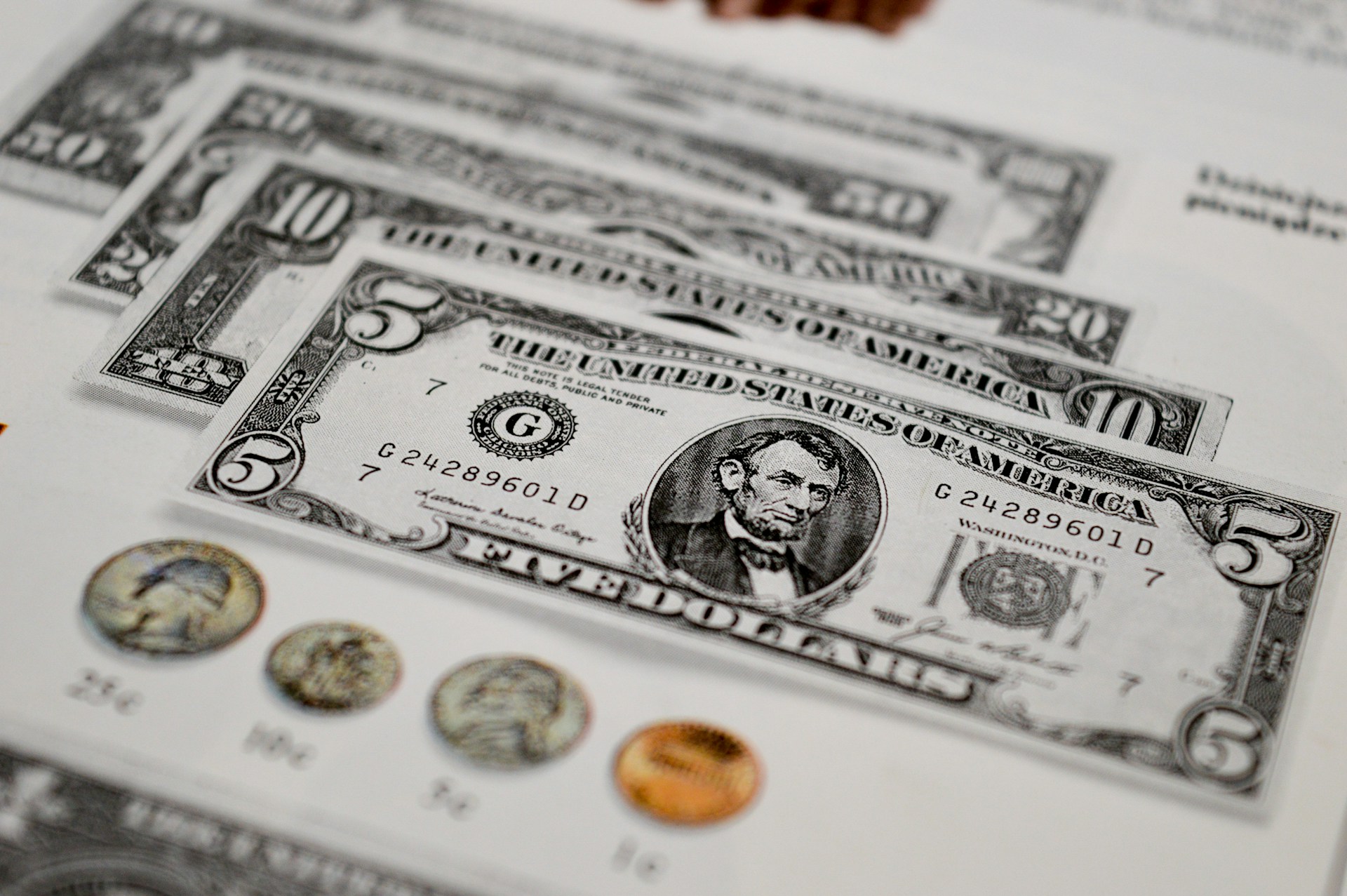
The U.S. dollar climbed higher on Thursday, extending its strongest advance in six weeks after the latest Federal Reserve minutes reduced expectations for a December interest rate cut. Meanwhile, the Japanese yen continued its decline, pressured by growing doubts that Tokyo will intervene in the currency market anytime soon.
During Asian trading hours, the yen sank to a 10-month low of 157.48 per dollar, deepening losses sparked after Finance Minister Satsuki Katayama said currency issues were not part of recent discussions with Bank of Japan Governor Kazuo Ueda. The yen has now fallen roughly 6% since Prime Minister Sanae Takaichi became party leader, despite rising Japanese government bond yields. Investors remain wary of the hefty borrowing required to support her stimulus proposals.
According to Vishnu Varathan, head of research at Mizuho in Asia, the market is pricing in broader concerns about Japan’s economic direction. He noted that the yen’s slide persists even as the U.S.–Japan rate differential narrows, suggesting either a shift in traditional market relationships or a growing “Sell Japan” sentiment.
Traders increasingly expect Japanese authorities to consider intervention if the yen nears 160 per dollar or if volatility spikes. Chief Cabinet Secretary Minoru Kihara emphasized that recent moves were sharp, one-sided, and worrying for policymakers.
Beyond Japan, the dollar’s rally weighed on several major currencies. The euro slipped to a two-week low of $1.1510, while the British pound dipped to $1.3040. The New Zealand dollar, already under pressure, touched a seven-month low at $0.5591 as markets priced in a rate cut next week. In contrast, expectations for a U.S. rate cut in December have dropped to below 25%, a sharp shift from near-certainty just a month ago.
The dollar index gained 0.5% overnight, breaking above its 200-day moving average, and continued to edge upward to 100.25 on Thursday. These moves reflect a stronger dollar driven by a more hawkish-leaning Fed and diverging monetary paths across global economies.







