


 Fed Unveils Stablecoin Rules Under GENIUS Act
  Gold Holds Near $4,275 as Rising Treasury Yields Fuel Fed Rate Hike Bets
  Mexico-US Trade Talks Delayed to October as Tariff Negotiations Continue
  UK PM Burnham to Unveil Economic Vision at Labour Conference
  Australia Unemployment Hits Five-Year High Despite Strong Jobs Growth
  Fed’s Hammack Says Bond Yield Surge Is Not Driven by Inflation Fears
  Dollar Falls as Oil Eases, Yen Jumps on Intervention Signals
  Asian Currencies Mixed as Dollar Holds Near Two-Month High
  US Stock Futures Fall as Treasury Yields Surge Ahead of Trump-Xi Summit
  China Agrees to Buy 20 Million Tons of U.S. Coal
  Asian Stocks Fall as Surging Bond Yields Rattle Markets
  Fed Unveils Stablecoin Rules Under GENIUS Act
  Canadian Dollar Faces Pressure as Fed-BoC Policy Gap Widens
  Gold Prices Fall as Treasury Yields Rise on Fed Rate Hike Bets
  US 10-Year Treasury Yield at 6% Emerges as New Market Risk Threshold
  Oil Prices Fall on U.S.-Iran Hormuz Deal Hopes


 Add as a preferred source on Google
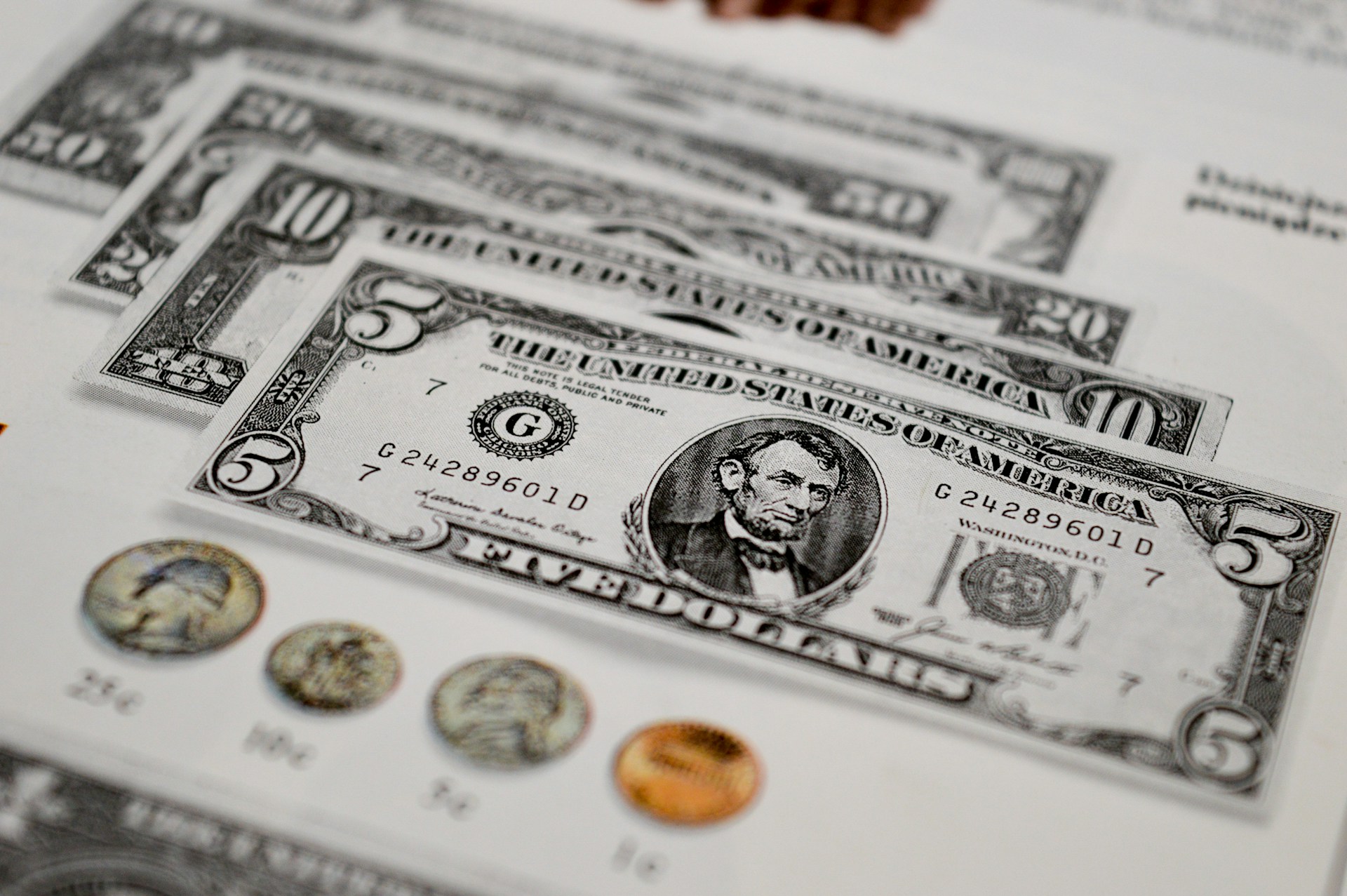
The U.S. dollar held steady against major currencies on Wednesday, following the announcement of a trade agreement framework between the United States and China. Investors are hopeful that the deal could mark progress toward ending the prolonged trade war between the world’s two largest economies.
In early Asian trading, the dollar slipped 0.14% to 144.770 yen and dropped 0.13% to 0.8218 against the Swiss franc. The euro remained flat at $1.1427, while China’s offshore yuan was little changed at 7.1881 per dollar. The U.S. dollar index, which tracks the greenback against six major peers, hovered near 99.068.
U.S. Commerce Secretary Howard Lutnick confirmed that trade officials from both nations wrapped up two days of negotiations in London, reaffirming the truce agreed upon in Geneva last month. The new framework aims to ease tensions by addressing China’s export restrictions on rare earth minerals and removing recent U.S. export controls.
Ray Attrill, head of FX strategy at National Australia Bank, emphasized that while the agreement is a positive step, trust between President Xi and President Trump remains fragile, and it’s too early to call this a comprehensive deal.
Investor concerns have persisted throughout the year, fueled by fears that President Trump’s unpredictable policies could push the U.S. into a recession, weighing on global economic growth. This uncertainty has weakened the dollar, which is down over 8% year-to-date.
Market participants now await the latest U.S. consumer inflation data, expected later today, which could influence future Federal Reserve policy decisions. The Fed is anticipated to hold rates steady next week, though traders are pricing in two potential 25-basis-point cuts by year-end.
Meanwhile, the British pound edged up to $1.35 ahead of UK finance minister Rachel Reeves’ spending announcements.







