


 US Stock Futures Fall as Treasury Yields Surge Ahead of Trump-Xi Summit
  Japanese Yen Rebounds as Trump Flags Currency Weakness
  Dollar Holds Near Two-Month High as Yen Approaches 160
  Soybean Futures Slip as Traders Await Trump-Xi Trade Signals
  UK PM Burnham to Unveil Economic Vision at Labour Conference
  Fed’s Hammack Says Bond Yield Surge Is Not Driven by Inflation Fears
  Fed Unveils Stablecoin Rules Under GENIUS Act
  RBI Uses $10 Billion Currency Swaps to Drain Excess Rupee Liquidity
  US Comfortable With Canada Trade Standoff as Import Bans Loom
  Japanese Bank Stocks Surge as Bond Yields Fuel Rate Hike Bets
  Gold Prices Fall as Treasury Yields Rise on Fed Rate Hike Bets
  Germany’s 2026 Growth Outlook Strengthens on Fiscal Spending
  Asian Currencies Mixed as Dollar Holds Near Two-Month High
  China Agrees to Buy 20 Million Tons of U.S. Coal
  Fed Unveils Stablecoin Rules Under GENIUS Act
  Canadian Dollar Faces Pressure as Fed-BoC Policy Gap Widens
  U.S. Treasury Yields Surge as 30-Year Hits 22-Year High


 Add as a preferred source on Google
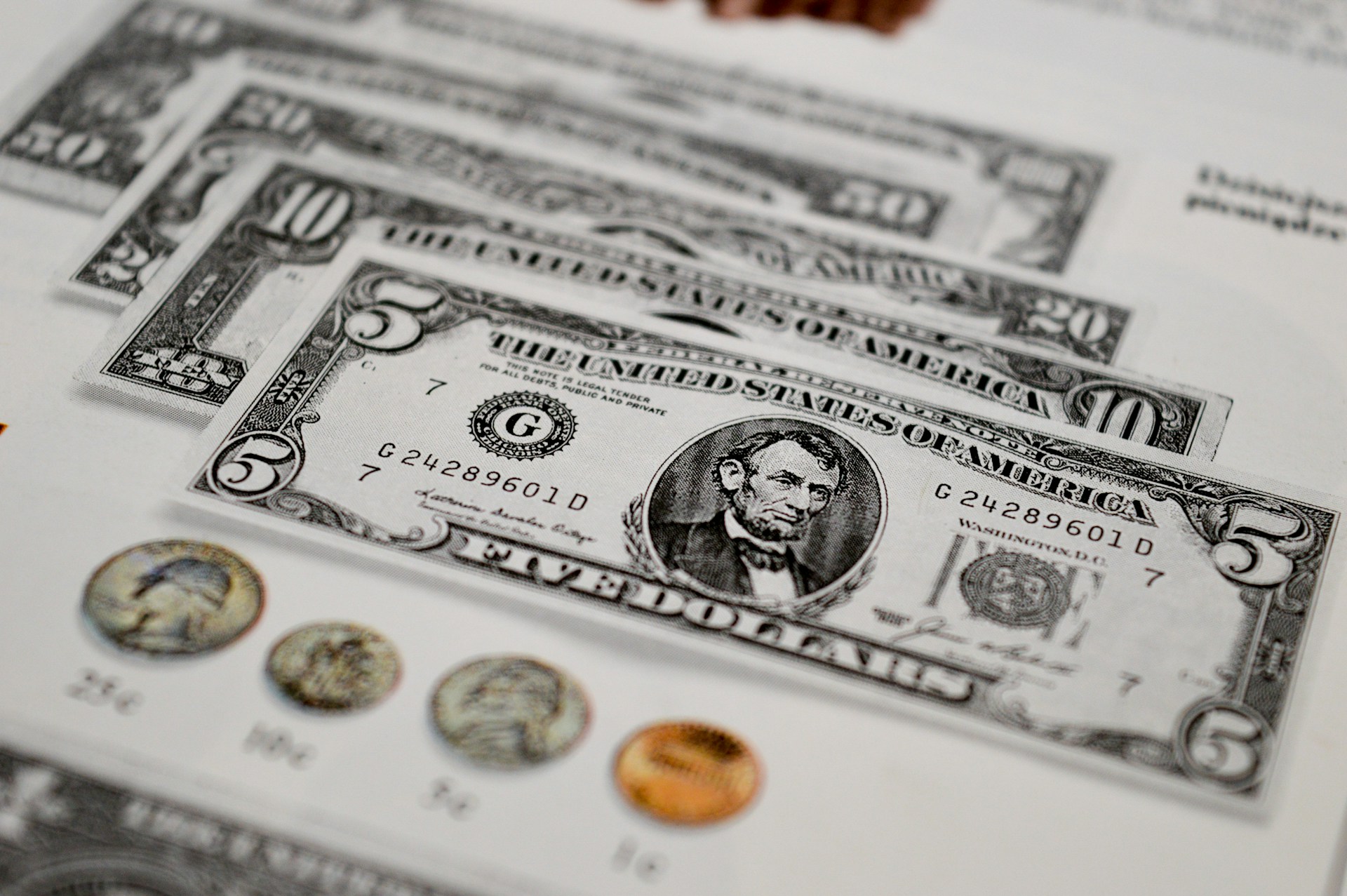
The U.S. dollar held steady on Wednesday but is set for its worst monthly decline since November 2022, falling sharply amid rising global uncertainty over President Donald Trump’s volatile trade policies. Retreats from initial sweeping tariff plans have rattled investor confidence, driving capital flows into traditionally safer currencies such as the euro, yen, and Swiss franc.
Trump’s administration softened auto tariffs this week by offering credits and easing levies on raw materials. Additionally, it touted a trade agreement with an unnamed partner, with Treasury Secretary Scott Bessent hinting at pending deals with India and South Korea. Despite these efforts, fears persist that tariffs will hurt U.S. growth, increase inflation, and spike unemployment.
The euro traded at $1.1387, up 5.26% in April—its best month since November 2022. The Swiss franc rose over 7% this month, marking its strongest performance in a decade, while the yen gained more than 5% as investors await Thursday’s Bank of Japan policy meeting.
Markets remain on edge following weak U.S. economic indicators. Job openings fell sharply in March, and consumer confidence dropped to a five-year low in April. The U.S. trade deficit also hit a record, and major corporations like UPS and General Motors have issued negative outlooks, citing rising costs.
Analysts at ING warn that front-loaded imports to avoid tariffs could drag Q1 GDP. Economist David Kohl of Julius Baer expects the Fed to hold rates steady for now but predicts two 50-basis-point cuts in July and September if labor market weakness emerges.
The dollar index hovered near a three-year low at 99.219, down 4.76% in April. Meanwhile, sterling, the Australian dollar, and the New Zealand dollar posted monthly gains of 3.8%, 2%, and 4.4%, respectively.







