


 Japanese Yen Rebounds as Trump Flags Currency Weakness
  US 10-Year Treasury Yield at 6% Emerges as New Market Risk Threshold
  Asian Stocks Fall as Surging Bond Yields Rattle Markets
  RBI Uses $10 Billion Currency Swaps to Drain Excess Rupee Liquidity
  Gold Holds Near $4,275 as Rising Treasury Yields Fuel Fed Rate Hike Bets
  Soybean Futures Slip as Traders Await Trump-Xi Trade Signals
  Dollar Holds Near Two-Month High as Yen Approaches 160
  Gold Prices Fall as Treasury Yields Rise on Fed Rate Hike Bets
  Japan Private-Sector Growth Slows as Domestic Demand Weakens
  US Stock Futures Fall as Treasury Yields Surge Ahead of Trump-Xi Summit
  Mexico-US Trade Talks Delayed to October as Tariff Negotiations Continue
  U.S. Dollar Hits Two-Month High as Oil, Treasury Yields Surge
  Fed Unveils Stablecoin Rules Under GENIUS Act
  European Stocks Fall as Bond Yields and Geopolitical Risks Weigh
  Trump, Xi Focus on Trade and AI at White House Summit
  Asian Currencies Mixed as Dollar Holds Near Two-Month High


 Add as a preferred source on Google
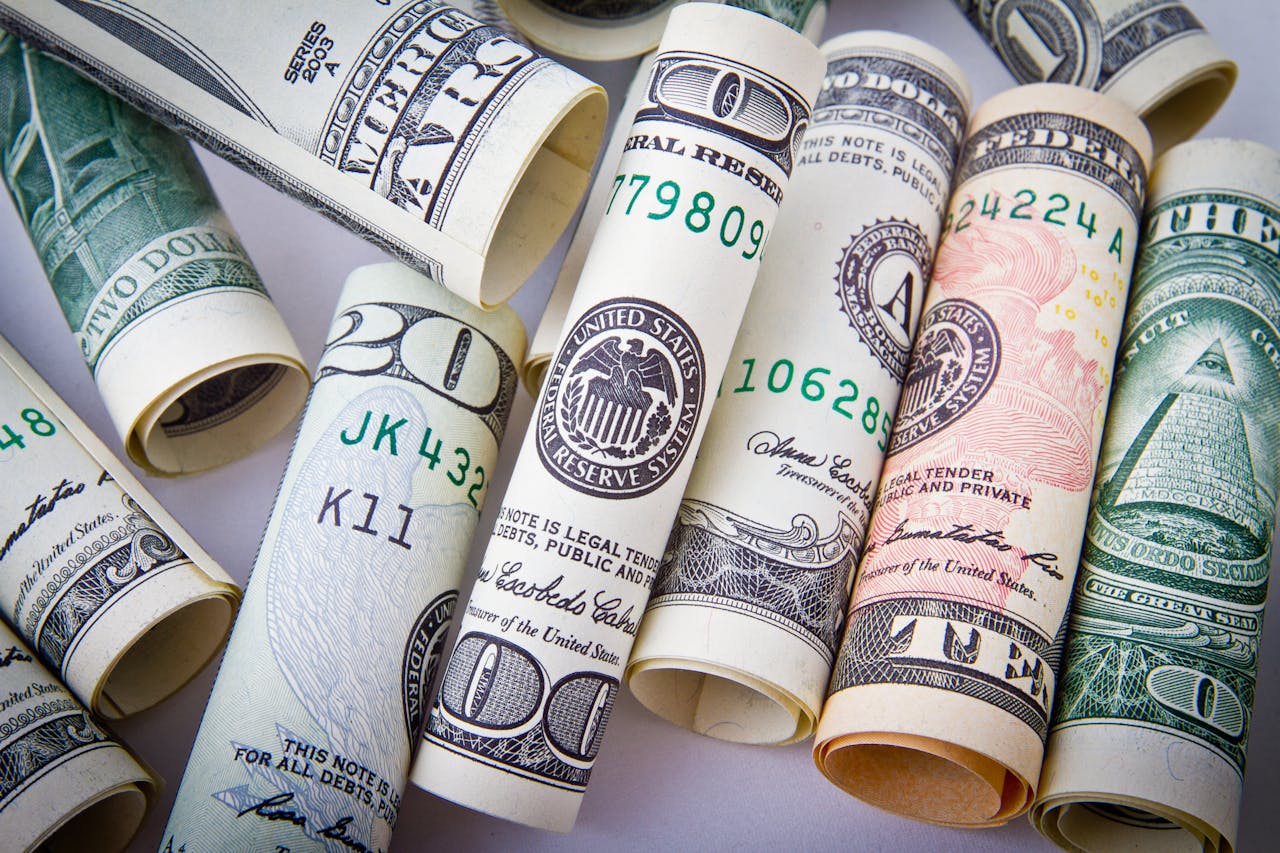
The U.S. dollar struggled to recover from steep losses on Friday and is heading for a weekly decline, as traders await a backlog of key U.S. economic data following the government’s reopening. Investors anticipate that the upcoming figures may reveal a weakening economy, adding pressure on an already fragile market sentiment.
The dollar’s decline came alongside a sharp selloff in U.S. equities and bonds, echoing the volatility seen in April. Market participants have scaled back expectations for a Federal Reserve rate cut in December, yet the shift toward a more hawkish outlook has done little to support the greenback. The euro rose to a two-week high, comfortably trading above $1.16 at $1.1630, while the Swiss franc held near a three-week peak at 0.7933 per dollar. The dollar index hovered near 99.27, on track for a 0.3% weekly drop.
Analysts say the market is preparing for a flood of negative U.S. economic indicators. Joseph Capurso of Commonwealth Bank of Australia warned that the delayed data could paint a grim picture, adding uncertainty to the Fed’s rate-cut trajectory. With the October unemployment rate potentially missing due to the skipped household survey during the shutdown, policymakers may be forced to act cautiously. Fed funds futures now show less than a 50% probability of a December cut, though markets are pricing in a January move with near certainty.
In currency markets, the British pound dipped 0.3% to $1.3152 after reports that U.K. leaders Keir Starmer and Rachel Reeves scrapped plans for income tax hikes—raising concerns about fiscal discipline. The Japanese yen saw slight relief but remained near a nine-month low at 154.58, while the Australian and New Zealand dollars weakened amid broader risk-off sentiment.
This mix of shifting rate expectations, political uncertainty, and anticipation of weak U.S. data continues to shape global currency movements, keeping traders on edge heading into next week.







