


 Japan Private-Sector Growth Slows as Domestic Demand Weakens
  Oil Prices Surge as U.S.-Iran Diplomacy Hopes Fade
  Dollar Holds Near Two-Month High as Yen Approaches 160
  RBI Uses $10 Billion Currency Swaps to Drain Excess Rupee Liquidity
  Asian Stocks Fall as Surging Bond Yields Rattle Markets
  US Stock Futures Fall as Treasury Yields Surge Ahead of Trump-Xi Summit
  Gold Prices Fall as Treasury Yields Rise on Fed Rate Hike Bets
  China’s ‘Lipstick King’ Says AI Won’t Replace Livestream Hosts
  Oil Prices Jump 3% as Houthi Attack Revives Supply Fears
  Asian Currencies Mixed as Dollar Holds Near Two-Month High
  Mexico-US Trade Talks Delayed to October as Tariff Negotiations Continue
  U.S. Treasury Yields Surge as 30-Year Hits 22-Year High
  Soybean Futures Slip as Traders Await Trump-Xi Trade Signals
  Fed Unveils Stablecoin Rules Under GENIUS Act
  U.S. Dollar Hits Two-Month High as Oil, Treasury Yields Surge
  Gold Holds Near $4,275 as Rising Treasury Yields Fuel Fed Rate Hike Bets
  Russian Envoy Dmitriev Heads to US for Ukraine Talks


 Add as a preferred source on Google
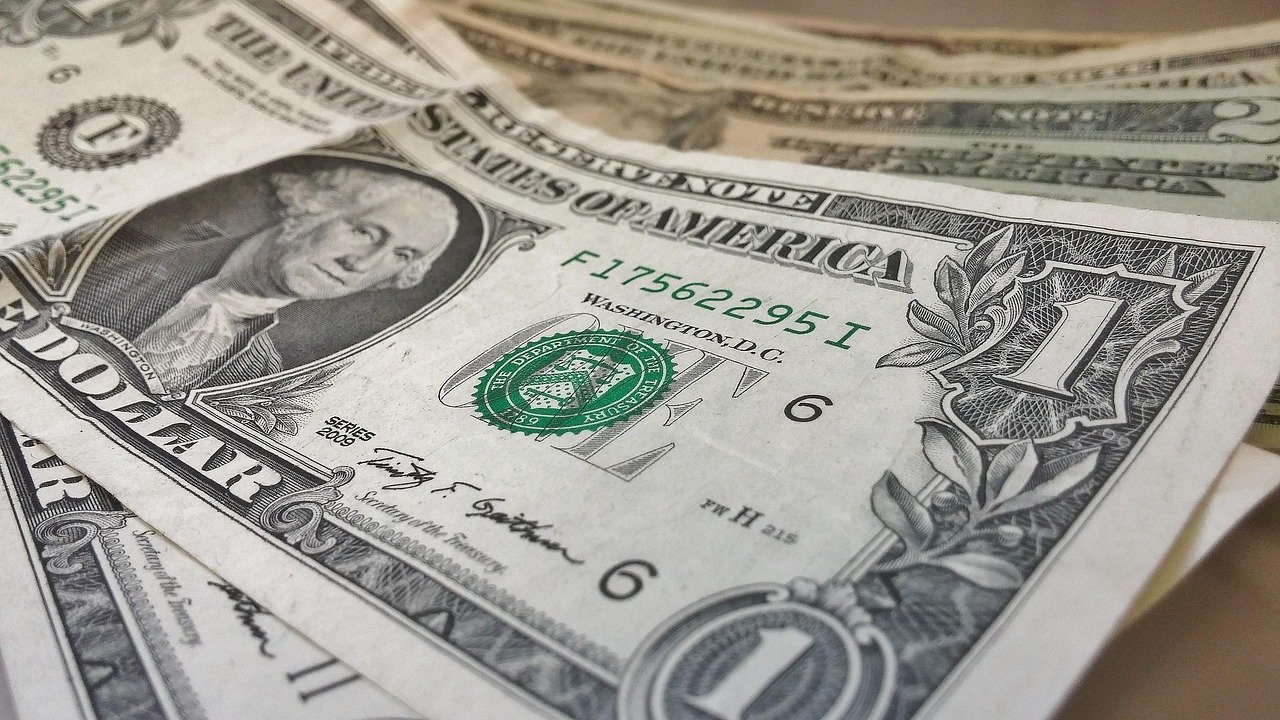
The U.S. dollar edged lower on Tuesday as investors reduced expectations for additional Federal Reserve interest rate hikes amid renewed optimism surrounding a possible peace agreement between Washington and Iran. However, continued military tensions in the Middle East kept demand for safe-haven assets relatively strong.
The U.S. Dollar Index (DXY), which measures the greenback against six major currencies, dipped 0.1% to 99.16 during afternoon trading. Despite the decline, the index has still gained roughly 1.3% since the Iran conflict began, supported by investor demand for safer assets during geopolitical uncertainty.
Market sentiment improved after President Donald Trump stated over the weekend that a memorandum of understanding related to a potential Iran peace deal had been “largely negotiated” following discussions with regional leaders. Analysts believe a successful agreement could lower oil prices, support global stock markets, and reduce long-term inflation concerns.
Still, geopolitical risks remain elevated after the U.S. military confirmed “defensive” strikes against Iranian Revolutionary Guard vessels in the Strait of Hormuz. Iran reportedly responded by targeting U.S. aircraft with missiles, while additional American strikes hit missile launch sites near Bandar Abbas.
The conflict has heavily impacted global markets because disruptions in the Strait of Hormuz have caused major oil supply concerns and pushed crude prices sharply higher. Rising energy prices fueled inflation fears and previously increased expectations for central bank rate hikes worldwide, including by the Federal Reserve.
As hopes for diplomacy improved, U.S. Treasury yields declined, with the benchmark 10-year yield falling to 4.495%. According to CME FedWatch data, traders lowered the probability of future Fed rate hikes across upcoming policy meetings.
In currency markets, the euro slipped slightly to $1.1630, while the British pound fell to $1.3448. Meanwhile, the Japanese yen weakened further, pushing USD/JPY close to the critical 160 level at 159.31. Investors are now focused on Thursday’s U.S. core PCE inflation report, a key indicator closely watched by the Federal Reserve in shaping future monetary policy decisions.







