


 European Stocks Fall as Bond Yields and Geopolitical Risks Weigh
  Germany’s 2026 Growth Outlook Strengthens on Fiscal Spending
  Wall Street Ends Flat as Oil, Treasury Yields and Fed Jitters Rattle Markets
  Oil Prices Fall on U.S.-Iran Hormuz Deal Hopes
  UK PM Burnham to Unveil Economic Vision at Labour Conference
  Fed Unveils Stablecoin Rules Under GENIUS Act
  US 10-Year Treasury Yield at 6% Emerges as New Market Risk Threshold
  Soybean Futures Slip as Traders Await Trump-Xi Trade Signals
  Asian Currencies Mixed as Dollar Holds Near Two-Month High
  Gold Holds Near $4,275 as Rising Treasury Yields Fuel Fed Rate Hike Bets
  Australia Unemployment Hits Five-Year High Despite Strong Jobs Growth
  Asian Stocks Fall as Bond Yields Surge Ahead of Trump-Xi Summit
  US Comfortable With Canada Trade Standoff as Import Bans Loom
  Fed’s Hammack Says Bond Yield Surge Is Not Driven by Inflation Fears
  Dollar Falls as Oil Eases, Yen Jumps on Intervention Signals
  RBI Uses $10 Billion Currency Swaps to Drain Excess Rupee Liquidity


 Add as a preferred source on Google
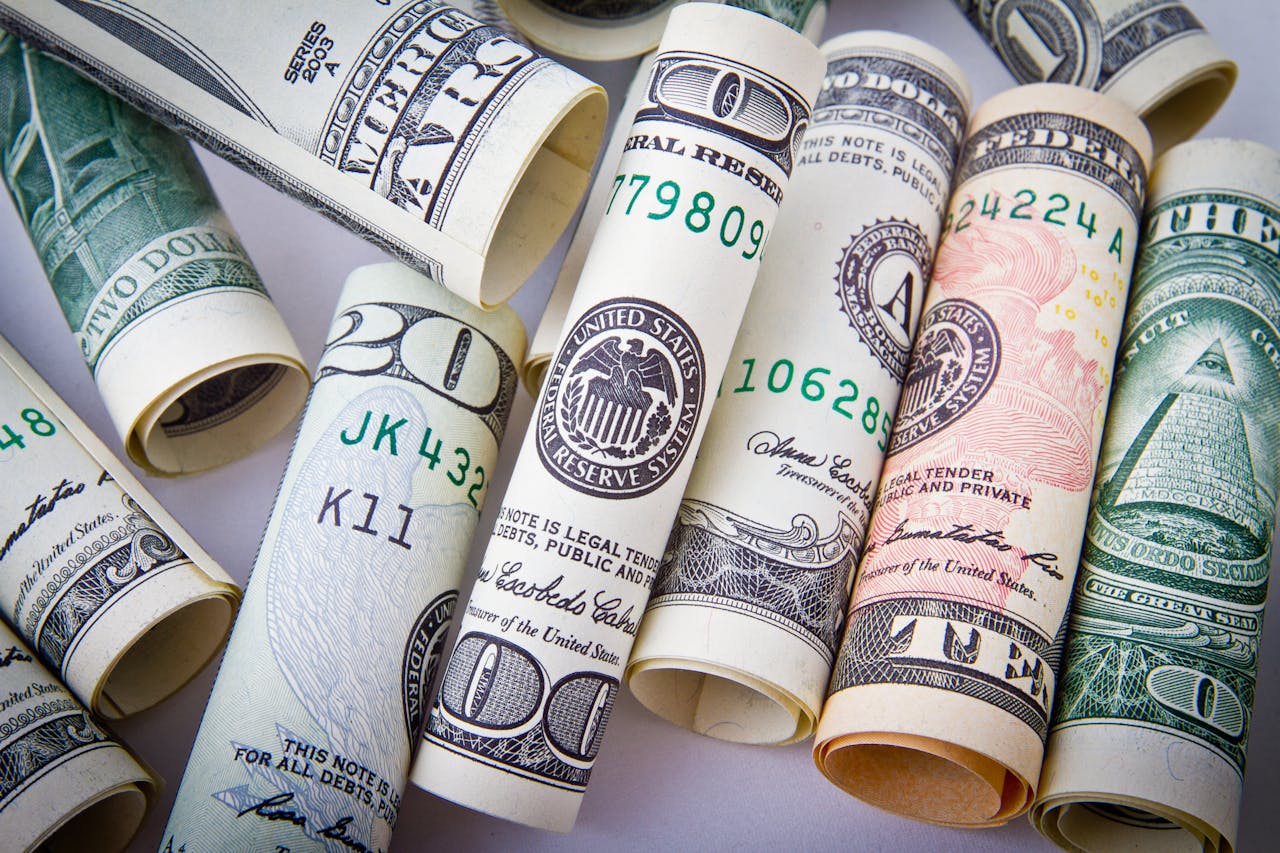
The U.S. dollar hovered near a four-month low on Friday as uncertainty over tariff policies and economic growth prospects weighed on investor sentiment. A temporary reprieve on tariffs targeting Mexico and Canada, announced by President Donald Trump on Thursday, did little to support the greenback. Meanwhile, market participants awaited U.S. nonfarm payrolls data, set for release later in the day.
The dollar slipped to a three-month low of 0.8820 against the Swiss franc and weakened slightly against the Canadian dollar and Mexican peso. Trump’s tariff suspension is set to expire on April 2, when reciprocal levies will take effect on all U.S. trading partners. Analysts, including Kieran Williams of InTouch Capital Markets, noted that signs of waning U.S. economic strength have led to a diminished appeal for the dollar, with inflationary concerns failing to provide support.
The focus remains on February’s U.S. jobs report, which is expected to show 160,000 job additions, up from 143,000 in January, with unemployment steady at 4.0%. However, a surge in planned layoffs—172,017 in February, the highest since previous recessions—has fueled concerns about economic slowdown. Federal Reserve Chair Jerome Powell is scheduled to address the economic outlook later in the day, with markets pricing in 77 basis points in rate cuts for 2025.
The U.S. dollar index edged down 0.05% to 104.15, while the euro held at $1.0790 after hitting a four-month high. The yen strengthened slightly, with the dollar trading at 147.86 yen. Meanwhile, Bitcoin dropped 4.61% to $85,354.63 following an executive order by Trump establishing a strategic Bitcoin reserve funded through asset forfeiture.







