


 Australia Unemployment Hits Five-Year High Despite Strong Jobs Growth
  U.S. Dollar Hits Two-Month High as Oil, Treasury Yields Surge
  Oil Prices Fall on U.S.-Iran Hormuz Deal Hopes
  Japan Private-Sector Growth Slows as Domestic Demand Weakens
  Trump, Xi Focus on Trade and AI at White House Summit
  Soybean Futures Slip as Traders Await Trump-Xi Trade Signals
  China’s ‘Lipstick King’ Says AI Won’t Replace Livestream Hosts
  Mexico-US Trade Talks Delayed to October as Tariff Negotiations Continue
  Gold Prices Fall as Treasury Yields Rise on Fed Rate Hike Bets
  Fed’s Hammack Says Bond Yield Surge Is Not Driven by Inflation Fears
  European Stocks Fall as Bond Yields and Geopolitical Risks Weigh
  Fed Unveils Stablecoin Rules Under GENIUS Act
  Dollar Holds Near Two-Month High as Yen Approaches 160
  Japanese Yen Rebounds as Trump Flags Currency Weakness
  Asian Stocks Fall as Bond Yields Surge Ahead of Trump-Xi Summit
  Oil Prices Jump 3% as Houthi Attack Revives Supply Fears
  Gold Holds Near $4,275 as Rising Treasury Yields Fuel Fed Rate Hike Bets


 Add as a preferred source on Google
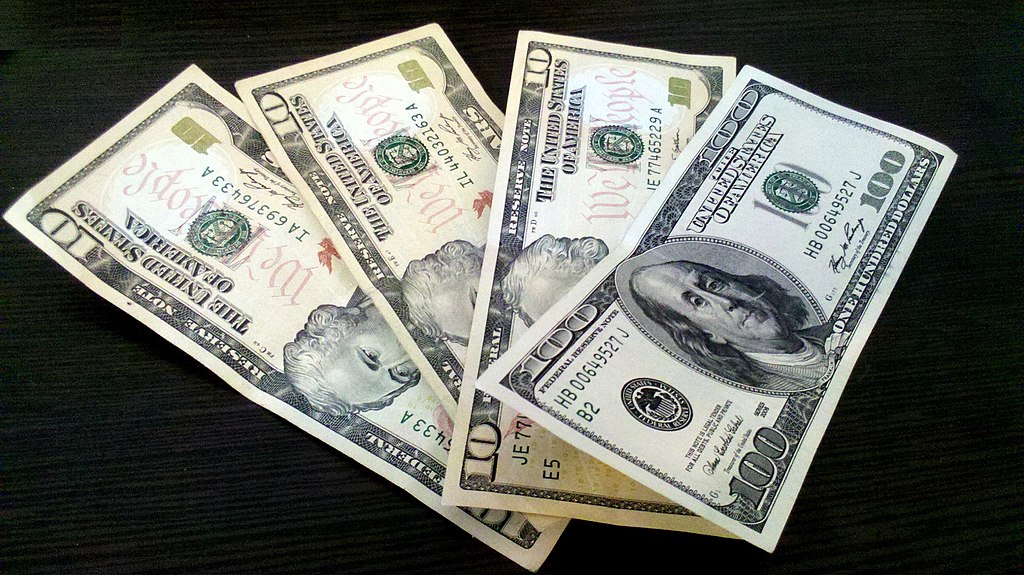
The U.S. dollar edged up on Monday after suffering sharp losses last week following a weaker-than-expected July jobs report and President Donald Trump’s abrupt firing of Bureau of Labor Statistics Commissioner Erika McEntarfer. The dollar had tumbled over 2% against the yen and 1.5% against the euro on Friday, as investors ramped up bets on imminent Federal Reserve interest rate cuts.
U.S. nonfarm payrolls missed forecasts, with prior months’ figures revised down by 258,000 jobs, signaling a steeper-than-anticipated slowdown in the labor market. Trump accused McEntarfer of “faking” the numbers, while the unexpected resignation of Fed Governor Adriana Kugler gave the president an opportunity to shape the central bank’s direction sooner than expected.
The dollar recovered slightly, rising 0.14% to 147.60 yen but remained nearly 3 yen below Friday’s peak. The euro slipped 0.2% to $1.1560, and sterling eased 0.1% to $1.3263. Against a basket of currencies, the greenback gained 0.2% to 98.86, after dropping more than 1% on Friday.
Treasury yields fell as traders priced in a 95% probability of a Fed rate cut in September, with over 63 basis points of cuts expected by year-end. The two-year yield dropped to a three-month low of 3.6590%, while the 10-year yield hovered near 4.2060%. Analysts at Macquarie now expect the Fed to cut rates by 25 basis points in September.
The Australian dollar slipped 0.17% to $0.6465, and the New Zealand dollar eased 0.24% to $0.5905. The Swiss franc held steady at 0.8041 per dollar, despite Switzerland facing steep new U.S. tariffs that local industry groups warn could cost tens of thousands of jobs.







