


 RBI Uses $10 Billion Currency Swaps to Drain Excess Rupee Liquidity
  Gold Holds Near $4,275 as Rising Treasury Yields Fuel Fed Rate Hike Bets
  Fed Unveils Stablecoin Rules Under GENIUS Act
  Oil Prices Fall on U.S.-Iran Hormuz Deal Hopes
  China’s ‘Lipstick King’ Says AI Won’t Replace Livestream Hosts
  Trump, Xi Focus on Trade and AI at White House Summit
  Soybean Futures Slip as Traders Await Trump-Xi Trade Signals
  Oil Prices Ease as Iran Tensions Clash With Diplomacy Hopes
  Asian Stocks Fall as Surging Bond Yields Rattle Markets
  European Stocks Fall as Bond Yields and Geopolitical Risks Weigh
  Fed’s Hammack Says Bond Yield Surge Is Not Driven by Inflation Fears
  Japanese Bank Stocks Surge as Bond Yields Fuel Rate Hike Bets
  Fed Unveils Stablecoin Rules Under GENIUS Act
  Canadian Dollar Faces Pressure as Fed-BoC Policy Gap Widens
  Japanese Yen Rebounds as Trump Flags Currency Weakness
  Dollar Holds Near Two-Month High as Yen Approaches 160
  US Stock Futures Fall as Treasury Yields Surge Ahead of Trump-Xi Summit


 Add as a preferred source on Google
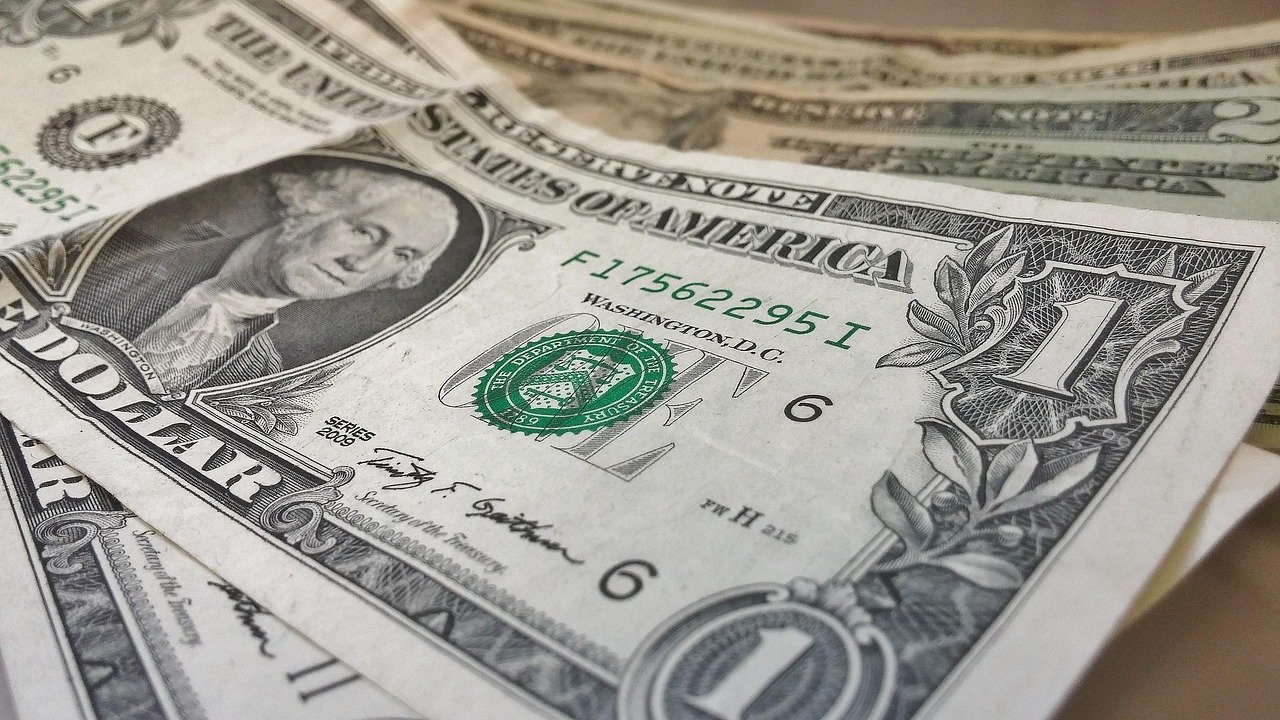
The U.S. dollar remained steady on Tuesday, hovering close to a three-month high, as mixed signals from the Federal Reserve prompted traders to scale back expectations for further interest rate cuts. Investors are also closely watching the Reserve Bank of Australia (RBA) meeting, where policymakers are expected to keep rates unchanged.
The yen weakened to 154.38 per dollar, near its lowest level in over eight months, triggering concerns of possible intervention from Japanese authorities. Meanwhile, differing opinions among Fed officials and a lack of official economic data due to the U.S. government shutdown have fueled uncertainty about the central bank’s policy direction.
After last week’s rate cut, Fed Chair Jerome Powell signaled that it could be the final reduction for the year. Market pricing now shows a 65% probability of another cut in December, down from 94% a week ago, according to CME’s FedWatch Tool. This recalibration in expectations has supported the dollar, with the euro slipping 0.11% to $1.1506 and the British pound easing to $1.312. The dollar index rose 0.1% to 99.99, marking a three-month high.
The shutdown has limited access to key economic data, leaving investors reliant on private reports such as ADP’s employment data. A recent ISM survey revealed that U.S. manufacturing contracted for the eighth consecutive month in October, underscoring economic weakness. Analysts at MUFG warned that prolonged shutdown risks could further dampen growth.
In Asia, the yen’s continued weakness contrasts with the Bank of Japan’s cautious stance, even as Governor Kazuo Ueda hinted at possible tightening later this year. Analysts expect further yen depreciation unless the BOJ acts soon.
The Australian dollar traded around $0.6535 ahead of the RBA meeting. Stronger-than-expected inflation data has reduced expectations for near-term rate cuts, with markets now anticipating only one cut by mid-2026. Economists predict the RBA could strike a more hawkish tone, potentially bolstering the Australian dollar in the coming sessions.







