


 Asian Currencies Mixed as Dollar Holds Near Two-Month High
  Gold Holds Near $4,275 as Rising Treasury Yields Fuel Fed Rate Hike Bets
  Fed Unveils Stablecoin Rules Under GENIUS Act
  Asian Stocks Fall as Bond Yields Surge Ahead of Trump-Xi Summit
  Trump, Xi Focus on Trade and AI at White House Summit
  US Stock Futures Fall as Treasury Yields Surge Ahead of Trump-Xi Summit
  Oil Prices Fall on U.S.-Iran Hormuz Deal Hopes
  Japanese Yen Rebounds as Trump Flags Currency Weakness
  Dollar Holds Near Two-Month High as Yen Approaches 160
  Fed’s Hammack Says Bond Yield Surge Is Not Driven by Inflation Fears
  Fed Unveils Stablecoin Rules Under GENIUS Act
  UK PM Burnham to Unveil Economic Vision at Labour Conference
  Gold Prices Fall as Treasury Yields Rise on Fed Rate Hike Bets
  US 10-Year Treasury Yield at 6% Emerges as New Market Risk Threshold
  Canadian Dollar Faces Pressure as Fed-BoC Policy Gap Widens
  Australia Unemployment Hits Five-Year High Despite Strong Jobs Growth
  European Stocks Fall as Bond Yields and Geopolitical Risks Weigh


 Add as a preferred source on Google
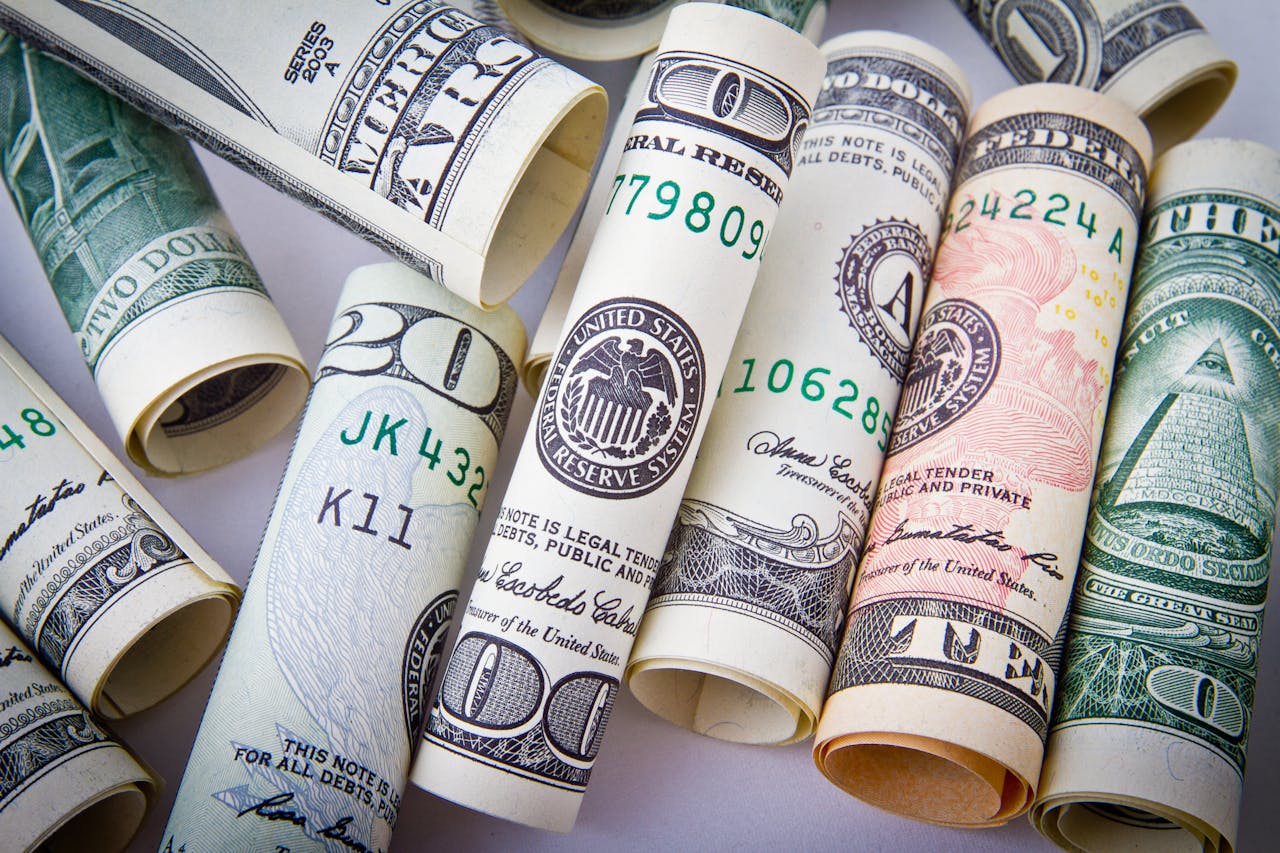
The U.S. dollar strengthened on Thursday, driven by safe-haven demand as fears of an escalating Middle East conflict intensified. Reports that Washington is preparing for a potential strike on Iran pushed investors toward the dollar, overshadowing the Federal Reserve’s latest policy decision.
The greenback rose broadly, pressuring risk-sensitive currencies. The Australian dollar dropped 0.3% to $0.6489, while the New Zealand dollar fell 0.5% to $0.5998. The South Korean won weakened by 1%, and emerging market currencies followed suit.
With Iran and Israel exchanging further airstrikes, the conflict—now in its seventh day—has sparked global concern, especially over possible U.S. military involvement. President Donald Trump’s ambiguous stance on intervention has added to market jitters.
The dollar index climbed 0.11% to 99, aiming for a 0.9% weekly gain—its best since January. The euro slipped 0.25% to $1.1455, marking its largest weekly drop since February. The yen traded at 145.13 per dollar, while sterling edged 0.14% lower to $1.3403 ahead of the Bank of England’s rate decision.
Investor sentiment turned risk-averse despite the Federal Reserve holding interest rates steady. While policymakers still project two rate cuts in 2025, Chair Jerome Powell warned that upcoming tariffs under Trump’s trade policy could lift inflation, affecting consumer prices. He emphasized uncertainty over the timing and scale of any rate reductions.
Markets are pricing in rate cuts in September and December, though analysts remain divided. Some, like ING and Aberdeen Investments, caution that the Fed may only cut once—or not at all—depending on trade and economic data.
U.S. market closures for the Juneteenth holiday thinned liquidity, amplifying the dollar’s reaction to geopolitical risks. Meanwhile, traders await policy updates from the Swiss National Bank and Norges Bank.







