


 European Stocks Fall as Bond Yields and Geopolitical Risks Weigh
  Wall Street Ends Flat as Oil, Treasury Yields and Fed Jitters Rattle Markets
  U.S. Dollar Hits Two-Month High as Oil, Treasury Yields Surge
  Fed Unveils Stablecoin Rules Under GENIUS Act
  Oil Prices Jump 3% as Houthi Attack Revives Supply Fears
  Canadian Dollar Faces Pressure as Fed-BoC Policy Gap Widens
  Oil Prices Fall on U.S.-Iran Hormuz Deal Hopes
  US Stock Futures Fall as Treasury Yields Surge Ahead of Trump-Xi Summit
  US Comfortable With Canada Trade Standoff as Import Bans Loom
  Gold Prices Fall as Treasury Yields Rise on Fed Rate Hike Bets
  Dollar Falls as Oil Eases, Yen Jumps on Intervention Signals
  RBI Uses $10 Billion Currency Swaps to Drain Excess Rupee Liquidity
  China Agrees to Buy 20 Million Tons of U.S. Coal
  Germany’s 2026 Growth Outlook Strengthens on Fiscal Spending
  Fed Unveils Stablecoin Rules Under GENIUS Act
  Fed’s Hammack Says Bond Yield Surge Is Not Driven by Inflation Fears
  Japanese Bank Stocks Surge as Bond Yields Fuel Rate Hike Bets


 Add as a preferred source on Google
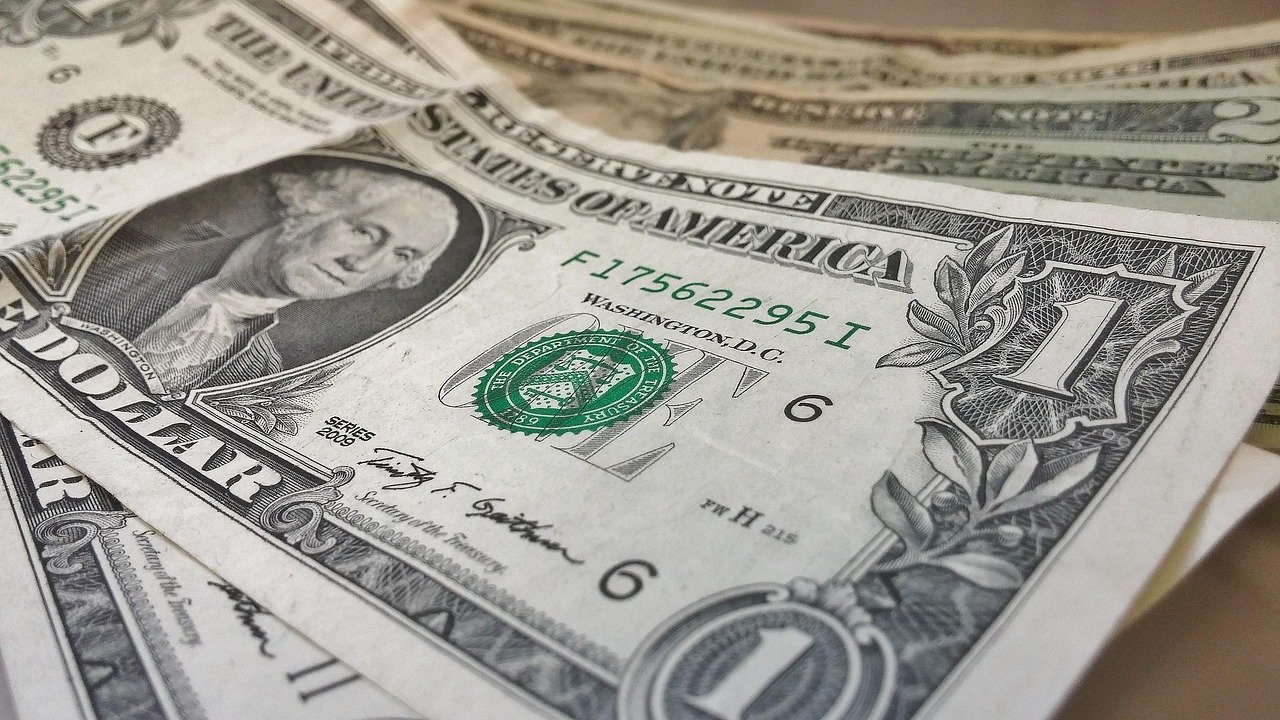
The U.S. dollar edged higher on Monday as investors sought safety amid escalating tensions in the Middle East following U.S. airstrikes on Iran’s nuclear facilities. The greenback saw modest gains, with the dollar index up 0.12% at 99.037, reflecting cautious sentiment in global currency markets.
The dollar rose 0.25% to 146.415 yen after hitting a one-month high, while the euro dipped 0.33% to $1.1484. Risk-sensitive currencies fell, with the Australian dollar down 0.2% to $0.6437 and the New Zealand dollar sliding 0.24% to $0.5952. The British pound dropped 0.25% to $1.34175.
The market’s reaction to the U.S. strike has been muted so far, signaling a wait-and-see approach. Iran’s parliament approved a measure to close the Strait of Hormuz, a critical waterway through which about 25% of global oil shipments pass. While this raises the threat of disruption to energy markets, investors appear to be treating the strikes as a limited escalation.
Oil prices surged to five-month highs, and global equities slipped, indicating broader concern over potential supply shocks. Currency strategist Carol Kong of Commonwealth Bank of Australia noted that investors are more focused on inflation risks than economic fallout.
Charu Chanana of Saxo remarked that the restrained reaction in haven assets suggests investors believe the strike is an isolated incident, not the start of a wider conflict.
Meanwhile, the U.S. dollar’s overall decline this year—down 8.6%—reflects broader uncertainty fueled by tariffs and slower domestic growth. In the crypto market, Bitcoin rose 1.3% after a sharp decline, while Ether gained 2.3%, showing resilience amid geopolitical volatility.
Market participants remain on alert for further developments from Iran, Israel, and the U.S.







