


 Novartis Shares Plunge After Muscle Drug Fails Phase III Trial
  Hanmi Pharm Soars 30% on $2.3 Billion Genentech Obesity Drug Deal
  Novo Nordisk Raises 2025 Outlook Despite Wegovy Pill Miss and CagriSema Setback
  FDA Weighs Safety Standards for Psychedelic Therapies
  SK Biopharmaceuticals Secures Global Rights to Biohaven Epilepsy Drug Opakalim
  New Mexico Measles Outbreak Cost Reached $5.4 Million, Study Finds
  AstraZeneca Shares Sink After Wainua Trial Misses Key Heart Disease Goal
  Novo Nordisk Eyes Turnaround as Oral Wegovy Challenges Eli Lilly in Weight-Loss Drug Race
  The government is ‘doubling down’ on its social media ban. But bigger penalties for platforms aren’t enough
  Venezuela Earthquake Health Risks Rise as Disease Monitoring Intensifies
  U.S. Issues Cuba Health Alert as Illnesses Rise
  GSK Unveils $2.52 Billion Cost-Cutting Plan to Accelerate Drug Pipeline


 Add as a preferred source on Google
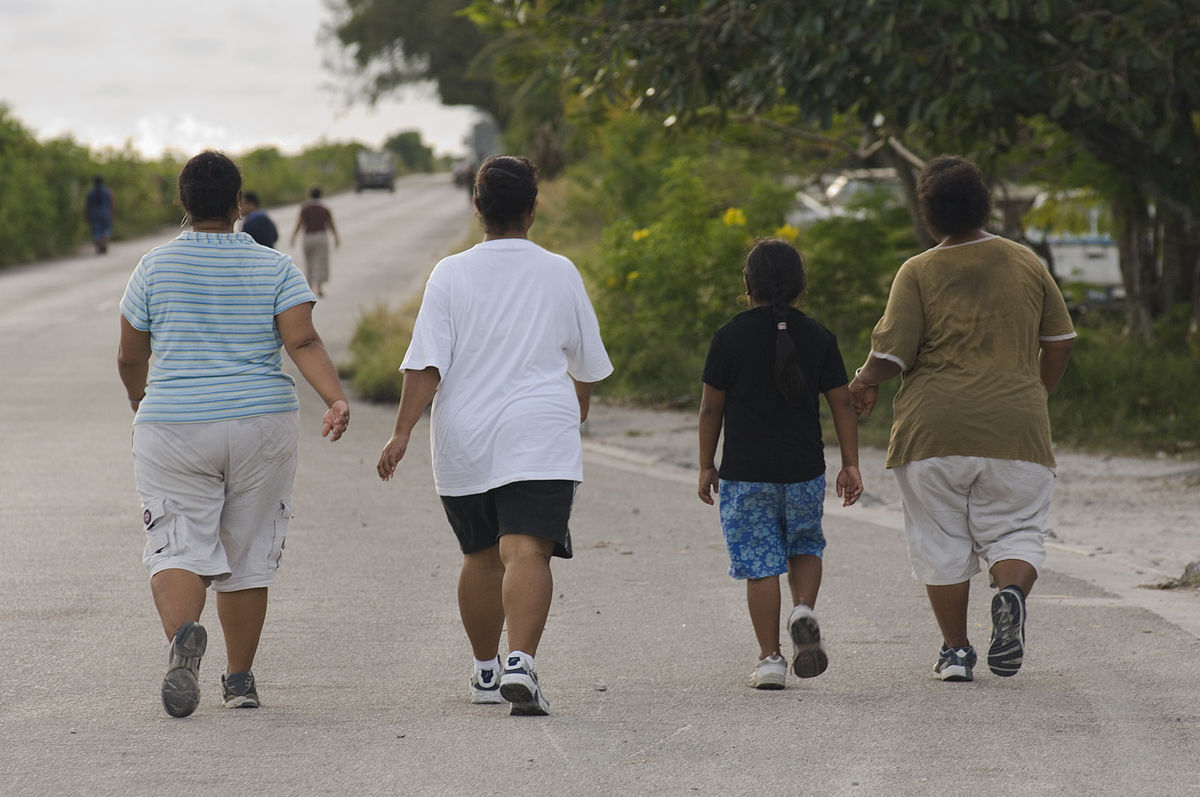

With 80% of adults and close to one-third of children expected to be overweight or obese by 2025, doctors are increasingly likely to be working with people who are overweight or obese.
An individual’s weight is a complex and sensitive issue, which may be related to many factors that are not only medical but social, environmental and emotional. The skills to address the issue in a way that communicates the health risks of being overweight without judgement and without inciting negative responses are not easy to acquire or universally taught.
Health professionals repeatedly report a lack of confidence in knowing how to address obesity in their patients. They report minimal, if any, training on obesity as well as limited resources for effective conversations and insufficient clinical time to be able to do this well.
Starting a conversation about weight requires not only empathy but awareness of strategies people can use to manage weight issues and an understanding of the range of local services available to assist. It has been shown that although behavioural and medical strategies can be effective, uninformed discussion in the clinic can disengage, stigmatise or shame patients, which then has negative impacts on the outcomes.
Many patients do expect weight-loss guidance from health professionals and the discussion can influence outcomes. In fact, having the conversation and formally diagnosing and documenting excess weight or obesity is the strongest predictor of having a treatment plan and weight-loss success.
Choice of language is crucial
Research has identified the terms “fat” and “fatness” are the least preferred terms. The words “obese” and “obesity” have also been found to arouse negative responses. The National Institute of Clinical Excellence in the UK suggests patients may be more receptive if the conversation is about achieving or maintaining a “healthy weight”.
The STOP Obesity Alliance in the US suggests using “people first” language such that a person “has” obesity rather than “is” obese, similar to “having” cancer or diabetes.
This is part of a debate about whether obesity should be labelled as a disease rather than a risk factor.
Regardless of how this issue is classified, doctors and patients both require the knowledge to understand effective therapies do exist and obesity treatment is not futile. Losing 5-10% of body weight can have a significant impact on risk factors such as blood pressure and can lower the risks of later health problems such as heart disease or type 2 diabetes.
This sort of weight loss also often improves other factors more immediately beneficial to the patient, such as energy levels, mood and mobility.
A communication style that encourages shared decision-making and helps people change their behaviour is key. The objective is not to solve the problem but to help the patient begin to believe change is possible and develop a plan about health goals.
Let’s take the case of a woman who presents with urinary incontinence. The woman may describe the problem of needing to wear sanitary pads because of daily leaking of urine. Factors such as obesity will worsen the problem, but the woman may not be aware of this.
The doctor might say:
I hear you’re concerned about your loss of urine, is that correct? Let’s talk about that; and would it be OK to discuss your weight too, as that may be related?
The practitioner might listen for a willingness to have further discussion and then pose a goal-orientated question:
If, as part of our plan to help your urinary symptoms, you decide to work on getting to a healthier weight, what might be a first step?
Repercussions for our kids
For men and women of reproductive age the conversation is potentially not just about their own health but also about that of their children. Women who have higher pre-conception weight and pregnancy weight gain are at increased risk of developing diabetes and heart disease in later life and are less likely to lose weight after they give birth.
This vicious cycle results in larger babies that are predisposed to short-term risks as newborns, longer-term risks of increased childhood obesity and an increased lifetime risk of obesity, diabetes and heart disease.
Between 1985 and 1995 the rate of excess weight and obesity in childhood increased by 50% and obesity tripled in Australia. Animal studies also suggest obesity in the male parent can increase the chance of their offspring developing obesity or diabetes.
The intergenerational nature of obesity therefore means until we address overweight and obesity in adults who are planning a pregnancy, it may be impossible to lower rates of childhood obesity.
The framing of the issue as a problem for patients' own health as well as for the health of their children is even more complex. However, unless there is a greater understanding of this risk and more training of doctors in talking to patients about obesity this will be difficult to tackle.
Currently, many health professionals remain uncomfortable and unsure in this area of practice. Ensuring the workforce is skilled will also mean there is the ability to discuss weight when it is not the primary issue a patient presents with, but where an important conversation at a critical life stage may actually have lasting effects on patients' health and that of their children.
Adrienne Gordon will be online for an Author Q&A between 4 and 5pm AEST on Wednesday, 17 August, 2016. Post any questions you have in the comments below.
 The authors do not work for, consult, own shares in or receive funding from any company or organization that would benefit from this article, and have disclosed no relevant affiliations beyond the academic appointment above.
Adrienne Gordon, Neonatal Staff Specialist, NHMRC Early Career Research Fellow, University of Sydney
Kirsten Black, Associate Professor & Joint Head of Discipline Obstetrics, Gynaecology and Neonatology, University of Sydney
This article was originally published on The Conversation. Read the original article.







