


 US Stock Futures Fall as Treasury Yields Surge Ahead of Trump-Xi Summit
  Gold Holds Near $4,275 as Rising Treasury Yields Fuel Fed Rate Hike Bets
  Dollar Falls as Oil Eases, Yen Jumps on Intervention Signals
  Germany’s 2026 Growth Outlook Strengthens on Fiscal Spending
  Mexico-US Trade Talks Delayed to October as Tariff Negotiations Continue
  South Korea Tax Windfall Could Top 50 Trillion Won on Chip Boom
  China Consumer Stocks Near Decade Lows as AI Shares Surge
  Trump, Xi Focus on Trade and AI at White House Summit
  Trump to Ease U.S. Fuel-Economy Standards
  Soybean Futures Slip as Traders Await Trump-Xi Trade Signals
  Fed’s Hammack Says Bond Yield Surge Is Not Driven by Inflation Fears
  Japanese Yen Rebounds as Trump Flags Currency Weakness
  Dollar Holds Near Two-Month High as Yen Approaches 160
  Japanese Bank Stocks Surge as Bond Yields Fuel Rate Hike Bets
  Fed Unveils Stablecoin Rules Under GENIUS Act
  Fed Unveils Stablecoin Rules Under GENIUS Act


 Add as a preferred source on Google
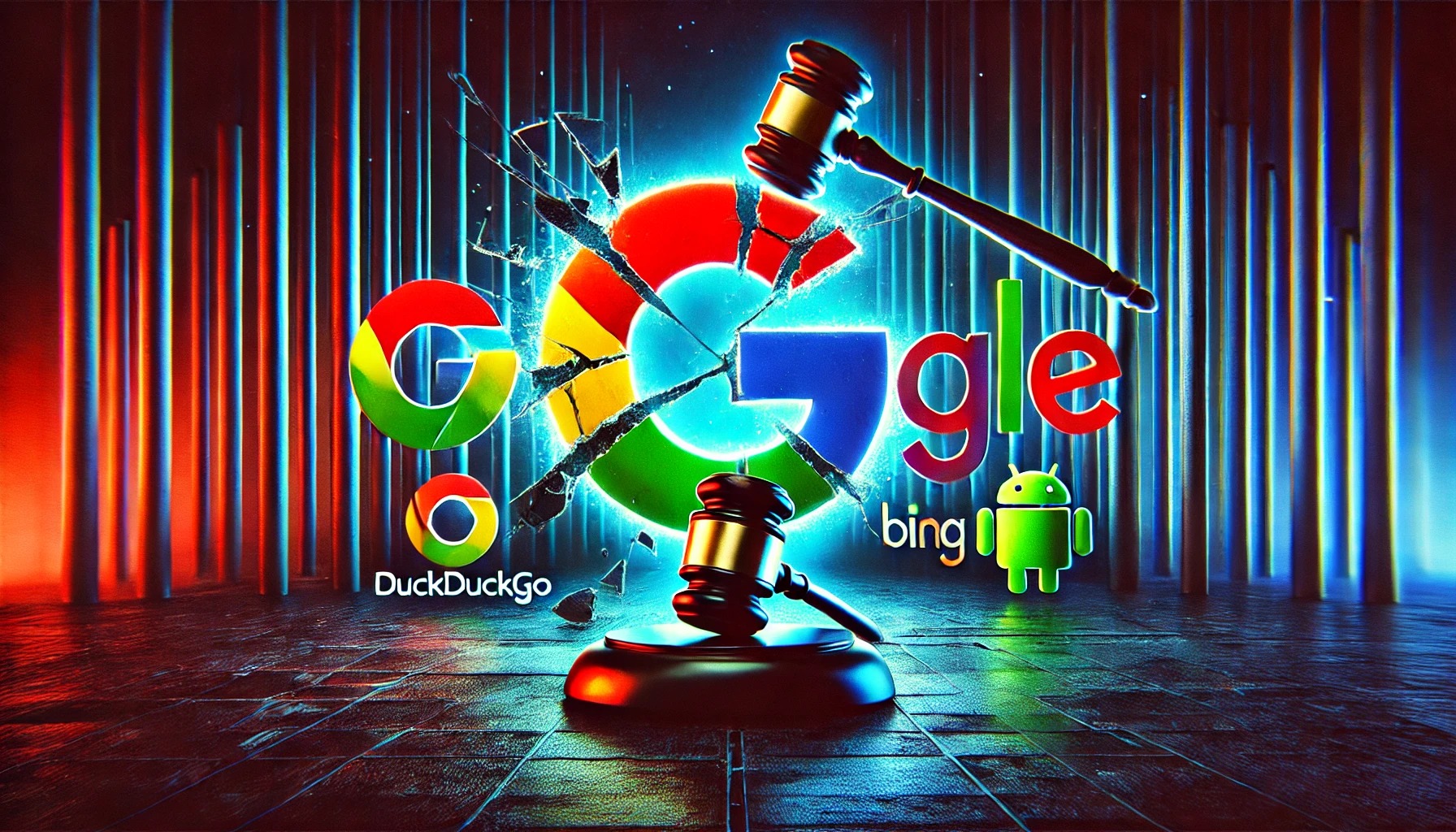
Revised Article: U.S. DOJ Proposes Breaking Up Google to Curb Search Dominance
The U.S. Department of Justice (DOJ) has proposed significant remedies aimed at dismantling Google's search monopoly, which could severely impact its core revenue streams and stall advancements in artificial intelligence (AI). While the outcome of these antitrust actions may take years, analysts suggest that the proposed remedies could dramatically reshape the tech giant's future.
DOJ's Proposed Remedies Could Reshape Google’s Dominance
In a statement issued on Tuesday, the DOJ hinted at the possibility of forcing Google to divest key assets such as its Chrome browser and Android operating system. These tools, according to prosecutors, have allowed Google to maintain its dominant position in the online search market illegally. This action is just one of several potential remedies under consideration to curb Google's influence.
Other proposed solutions include barring Google from collecting sensitive user data, requiring the company to open its search results and indexes to rivals, and allowing websites to opt out of having their content used to train AI products. Additionally, Google may be required to report to a "court-appointed technical committee" for oversight.
Impact on Google’s Stock and Market Influence
Alphabet investors have responded to these developments with concern. On Wednesday, Google shares dropped 1.5% to $161.86, reflecting the market's reaction to the DOJ’s latest announcement. The proposed remedies could significantly undercut Google’s core business model, particularly in its ad-based search engine, which has made it synonymous with online search.
"The DOJ has essentially reverse-engineered Google’s playbook for success and is determined to dismantle it," said Gil Luria, managing director and senior software analyst at D.A. Davidson. He emphasized that restrictions on Google’s data collection practices could empower competitors, creating a more competitive landscape.
AI-Related Remedies Could Weaken Google in the Battle for AI Supremacy
Industry analysts warn that the DOJ's AI-related remedies could be especially disruptive to Google's business. The company is already facing pressure from emerging AI competitors, including OpenAI's ChatGPT and the AI-powered search engine Perplexity.
Google's market share in the U.S. search ad industry is projected to fall below 50% by 2025, marking the first time in over a decade, according to research firm eMarketer. Bernstein analyst Mark Shmulik remarked, "The last thing Google needs in the competitive AI landscape is regulatory constraints that limit its ability to innovate."
Potential Winners from Google’s Downfall
Should these remedies be implemented, several competitors stand to gain from Google’s weakened position. Search engine rivals like DuckDuckGo and Microsoft (NASDAQ: MSFT) Bing could capitalize on Google's reduced market share. Meanwhile, AI competitors such as Meta Platforms (NASDAQ: META) and Amazon (NASDAQ: AMZN) could further challenge Google's dominance in AI-driven products and services.
Kamyl Bazbaz, senior vice president of public affairs at DuckDuckGo, stated, "No single remedy can fully undo Google's illegal monopoly. A range of behavioral and structural solutions will be required to restore competition in the market."
Legal Uncertainty Surrounds DOJ’s Remedies
Despite the DOJ's aggressive stance, some industry experts question the likelihood of these remedies being enforced. "The DOJ is essentially throwing ‘remedy spaghetti’ at the wall," said Adam Kovacevich, CEO of the Chamber of Progress, a tech industry advocacy group. He expressed skepticism about the legality of the proposed solutions, arguing that they could face significant challenges in the appeals process.
Investor Outlook on Google’s Future
While the risk of a forced break-up looms, some investors remain unconvinced that such drastic measures will materialize. Russ Mould, investment director at AJ Bell, noted that "this risk has been anticipated for some time, and many investors do not believe a break-up of Google is likely."
Conclusion
The U.S. Department of Justice’s aggressive actions against Google mark a pivotal moment in the tech industry. The proposed remedies could fundamentally alter Google’s business model, opening the door for competitors while stalling its AI advancements. However, the legal challenges ahead make the outcome uncertain. For now, the tech world waits to see how Google will navigate this unprecedented antitrust battle.







