


 Gold Holds Near $4,275 as Rising Treasury Yields Fuel Fed Rate Hike Bets
  U.S. Dollar Hits Two-Month High as Oil, Treasury Yields Surge
  China Agrees to Buy 20 Million Tons of U.S. Coal
  US Comfortable With Canada Trade Standoff as Import Bans Loom
  Trump, Xi Focus on Trade and AI at White House Summit
  Trump to Ease U.S. Fuel-Economy Standards
  South Korea Tax Windfall Could Top 50 Trillion Won on Chip Boom
  Asian Stocks Fall as Surging Bond Yields Rattle Markets
  Wall Street Ends Flat as Oil, Treasury Yields and Fed Jitters Rattle Markets
  Oil Prices Fall on U.S.-Iran Hormuz Deal Hopes
  US Stock Futures Fall as Treasury Yields Surge Ahead of Trump-Xi Summit
  China Consumer Stocks Near Decade Lows as AI Shares Surge
  Soybean Futures Slip as Traders Await Trump-Xi Trade Signals
  Japanese Bank Stocks Surge as Bond Yields Fuel Rate Hike Bets
  US Stocks Face Jobs, Inflation Test as Fed Rate Hike Bets Rise
  Fed’s Hammack Says Bond Yield Surge Is Not Driven by Inflation Fears
  Oil Prices Jump 3% as Houthi Attack Revives Supply Fears


 Add as a preferred source on Google
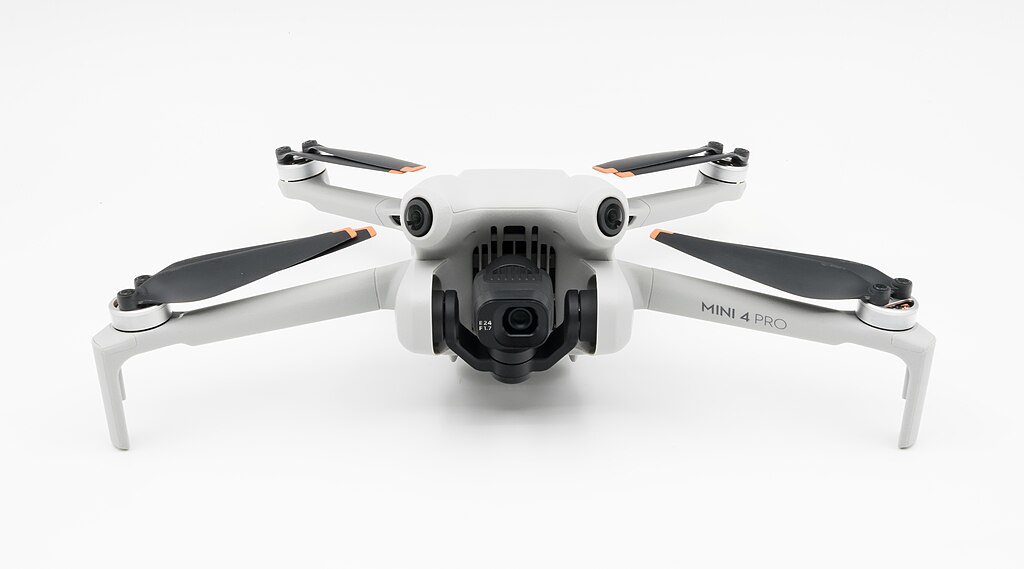
DJI, the world’s largest drone manufacturer, filed a lawsuit against the U.S. Defense Department on Friday, challenging its inclusion on a list of companies allegedly linked to China’s military. The company argues the designation is incorrect and has caused substantial financial losses.
The lawsuit, filed in a U.S. District Court in Washington, requests DJI’s removal from the Pentagon's list of “Chinese military companies.” DJI asserts that it is neither owned nor controlled by the Chinese military and that the designation has unfairly damaged its reputation.
According to the lawsuit, DJI has faced business losses, as U.S. customers and international clients have terminated existing contracts or refused to engage in new agreements. The company claims the Pentagon's decision has stigmatized it as a national security risk, resulting in multiple federal agencies banning contracts with DJI.
Despite contacting the Defense Department over 16 months, DJI has yet to receive a response regarding its designation, leaving the company no choice but to seek legal relief. This lawsuit comes amid ongoing tensions between the U.S. and China, with Washington increasingly scrutinizing Chinese firms that could pose national security threats.
In related news, DJI faces additional challenges from U.S. Customs and Border Protection, which recently blocked some DJI drone imports under the Uyghur Forced Labor Prevention Act. DJI denies using forced labor in its supply chain.
U.S. lawmakers continue to express concerns over the potential security risks of DJI drones, with proposed legislation aiming to restrict their use within the country.







