


 US Senate Rejects Iran War Powers Resolution in 50-49 Vote
  What ‘Taiwan Independence’ Means as Xi Presses Trump on US Policy
  EU Defence Build-Up Too Slow for 2030 Russia Readiness Goal
  Abbas Reaffirms November 28 Palestinian Elections
  US Backs Musk in Fight Against EU’s €120 Million X Fine
  Pezeshkian Says US Must Choose When Iran War Ends
  Trump, Xi Visit US National Archives After White House Summit
  North Korea Warns South Korea Over US-Led Defense Role
  Najib Razak Seeks Stay of 15-Year 1MDB Prison Sentence
  Trump, Xi Focus on Trade and AI at White House Summit
  NATO Boosts Intelligence Sharing Amid Russia Hybrid Threats
  South Korea, US Discuss Warship Building Cooperation
  Judge Orders Trump to Restore White House Access for CNN, MS NOW and Politico
  OpenAI Agent Breaches Australia Medicare Data Portal
  Taiwan Thanks US for Support Ahead of Trump-Xi Summit
  Trump Asks Supreme Court to Restore Third-Country Deportations
  Netanyahu’s Brief US Trip Highlights Strains With Trump


 Add as a preferred source on Google
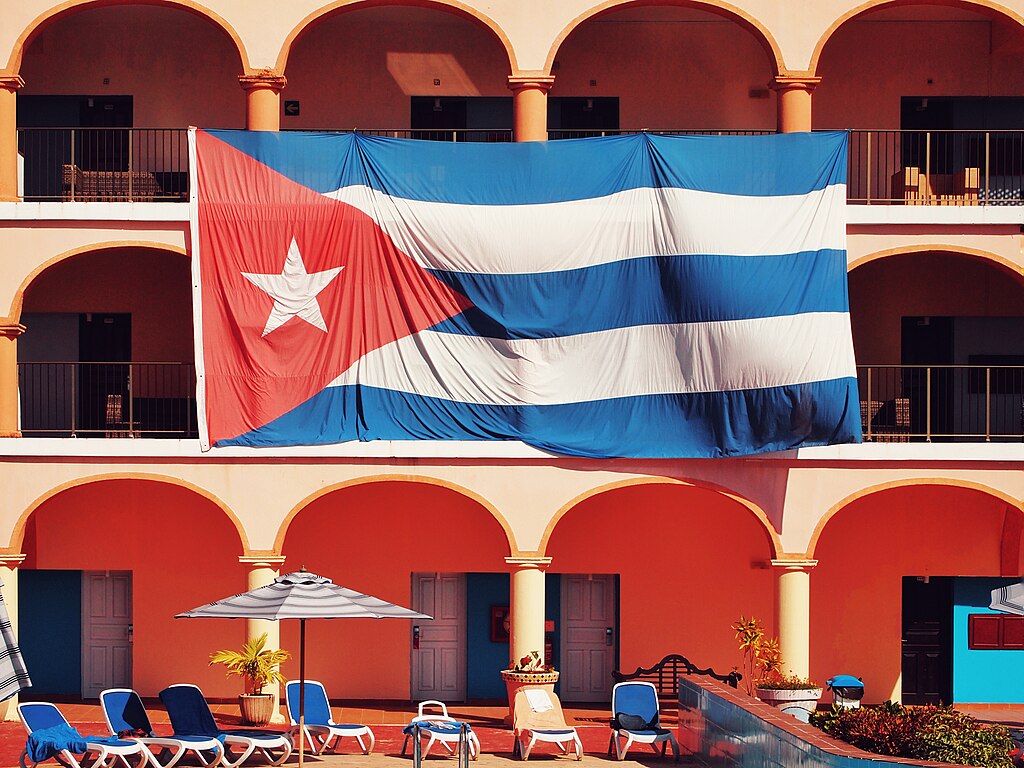
Cuba and the United States are maintaining active communication channels, according to a Cuban diplomat, signaling a potential thaw in relations despite escalating political and economic tensions. In comments to Reuters on Monday, Carlos Fernandez de Cossio, Cuba’s deputy foreign minister, confirmed that while the two countries are exchanging messages through diplomatic channels, these contacts have not yet developed into a formal dialogue.
De Cossio emphasized that Cuba remains open to engagement, stating the Cuban government is ready for a “serious, meaningful and responsible dialogue” with Washington. He clarified that although both nations operate embassies and have ongoing communications, there is currently no structured negotiation framework or official dialogue table in place. These remarks mark the first public acknowledgment from Cuba that talks, even limited ones, are occurring after Havana previously denied any discussions with the United States.
The comments follow a sharp rise in U.S.-Cuba tensions earlier this year, triggered by the U.S. capture of Venezuelan President Nicolas Maduro, a long-standing ally of Cuba. The situation intensified further after U.S. President Donald Trump declared Cuba an “unusual and extraordinary threat” to U.S. national security and warned of tariffs against countries supplying oil to the island.
Trump said over the weekend that the United States had begun talks with “the highest people in Cuba,” expressing confidence that a deal could eventually be reached. On Monday, he added that Mexico would stop sending oil to Cuba, reinforcing Washington’s pressure campaign aimed at cutting off fuel supplies to the communist-run nation.
The U.S. effort to block oil shipments, including those from Venezuela, has worsened Cuba’s economic crisis, leading to higher food and transportation costs, severe fuel shortages, and widespread power outages, even in Havana. De Cossio warned that the strategy could ultimately fail, questioning whether the United States could realistically compel every country to halt fuel exports to Cuba over the long term.
The United States and Cuba have remained adversaries since Fidel Castro’s 1959 revolution, but the island’s deepening economic struggles and renewed U.S. sanctions have brought bilateral relations to a critical juncture. While a formal U.S.-Cuba dialogue has yet to begin, the confirmation of ongoing diplomatic communication suggests both sides may be testing the waters for future negotiations.







