


 US Backs Musk in Fight Against EU’s €120 Million X Fine
  Taiwan Thanks US for Support Ahead of Trump-Xi Summit
  Ukrainian Drone Attacks Hit Russian Regions, Injuring at Least 12
  Najib Razak Seeks Stay of 15-Year 1MDB Prison Sentence
  Maduro Seeks Dismissal of US Drug Trafficking Charges
  Mahmoud Khalil Sues Columbia Over Alleged Pro-Palestinian Harassment
  Brazil Court Suspends Sigma Lithium Mine Operations
  Amazon Shares Fall as FTC Plans Ad Pricing Lawsuit
  Venezuela Nears Deal to Move $4 Billion in Gold to New York Fed
  CNN, MS NOW and Politico Sue Trump Over White House Media Ban
  Abbas Reaffirms November 28 Palestinian Elections
  Judge Orders Trump to Restore White House Access for CNN, MS NOW and Politico
  Appeals Court Rejects Trump Third-Country Deportation Policy
  OpenAI Agent Breaches Australia Medicare Data Portal
  Mexico-US Trade Talks Delayed to October as Tariff Negotiations Continue
  Nvidia-Groq AI Chip Deal Faces U.S. Antitrust Probe
  Judge Blocks Trump Rule Limiting Foreign Student Visas


 Add as a preferred source on Google
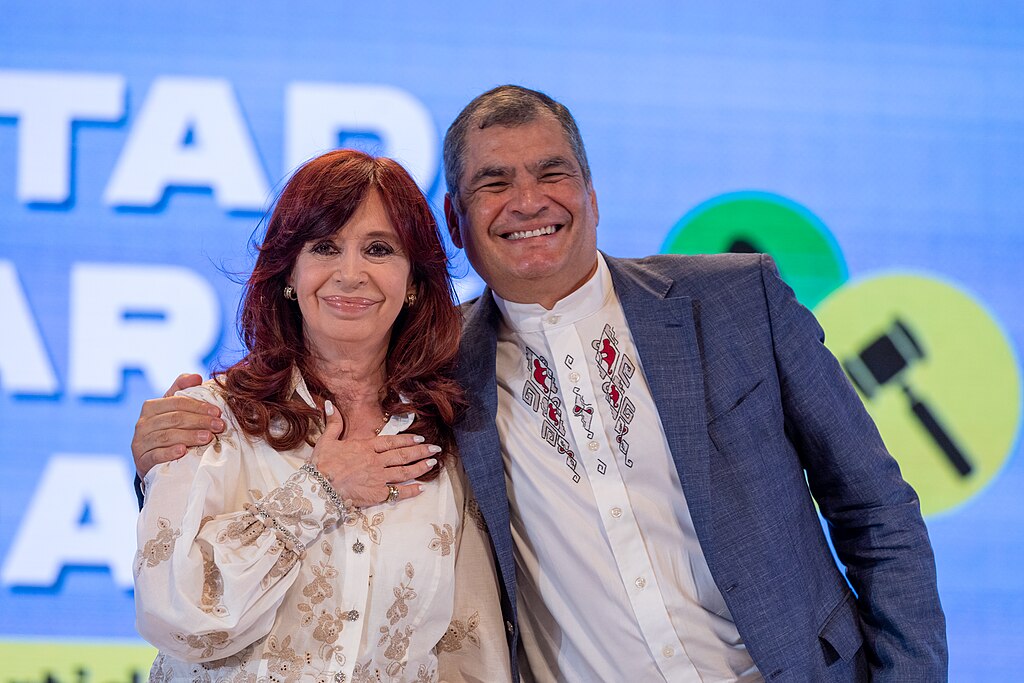
Argentina’s former President Cristina Fernandez de Kirchner was placed under house arrest on Tuesday after the country’s Supreme Court upheld her six-year prison sentence for corruption. The 72-year-old political heavyweight was convicted in 2022 for fraudulent public works contracts in Patagonia that allegedly benefited a close ally during her presidency from 2007 to 2015.
Due to her age, a judge granted Kirchner's request to serve her sentence at her Buenos Aires home with an electronic ankle monitor. She is required to stay indoors, with exceptions only for court-approved reasons, and must submit a list of approved household members and medical staff within 48 working hours. All other visitors must be cleared by the court.
Kirchner, also a former vice president, senator, and first lady, has denied wrongdoing and claims the charges are politically motivated. The Supreme Court ruling also bans her for life from holding public office, effectively ending the political career of one of Argentina’s most influential figures.
Supporters rallied outside her residence following the announcement, waving banners of Eva Peron and chanting slogans. “We’ll fight with everything for her freedom,” said Manuel Ortiz, a loyal Peronist. Kirchner continues to command a strong base among working-class Argentines who benefited from her welfare policies and subsidies during her administration and that of her late husband, Nestor Kirchner.
Her popularity has declined in recent years, especially during her 2019–2023 vice presidency under Alberto Fernandez, whose government faced soaring inflation and economic instability.
Kirchner joins a list of Argentine leaders convicted of corruption, including former President Carlos Menem, who avoided jail due to his senatorial immunity.
Despite the legal defeat, Kirchner remains a symbolic figure within Argentina’s fractured Peronist movement.







