


 Venezuela Earthquake Health Risks Rise as Disease Monitoring Intensifies
  3 clinical-grade skincare creams you really shouldn’t buy online
  Eli Lilly Eyes AtaiBeckley Acquisition to Expand Psychedelic Mental Health Pipeline
  FDA Weighs Safety Standards for Psychedelic Therapies
  SK Biopharmaceuticals Secures Global Rights to Biohaven Epilepsy Drug Opakalim
  AstraZeneca Q2 Earnings Beat Forecasts as Oncology Growth Supports 2026 Outlook
  GLP-1 Weight-Loss Drug Use Surges Among U.S. Children
  Hanmi Pharm Soars 30% on $2.3 Billion Genentech Obesity Drug Deal
  Trump Signs Order to Cut Routine Childhood Vaccines
  Alcohol is one of the most dangerous drugs, yet its presence is ubiquitous in social settings and celebrations
  France Keeps Top Health Alert as Officials Brace for Another Heatwave
  Novartis M&A Strategy Faces Investor Scrutiny After Drug Setbacks
  Novo Nordisk Strikes €1.17 Billion Nanexa Drug Delivery Deal
  Trump Administration Bars U.S. Travelers From Congo Flights Amid Ebola Outbreak


 Add as a preferred source on Google
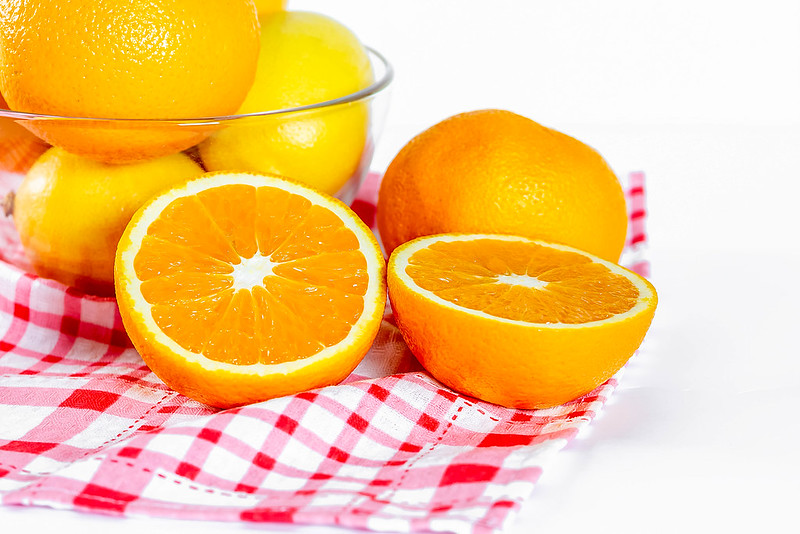

Vitamin C is a common remedy that some people believe will cure the common cold and flu. Although it helps us maintain good immune function, there’s little evidence that it can prevent or substantially reduce either of these diseases. But in the midst of the novel coronavirus outbreak, some “influencers” are claiming that taking mega-doses of vitamin C can cure COVID-19 (the disease caused by novel coronavirus).
So let’s cut to the chase. Can vitamin C cure the coronavirus? Considering that novel coronavirus belongs to the same family of viruses – coronaviruses – as the common cold and flu, it’s unlikely that taking vitamin C will prevent or cure you of a COVID-19 infection.
I have written before that using vitamin C to treat the common cold was an idea popularised by double Nobel Prize-winning chemist, Linus Pauling, and further promoted by the dietary supplements industry. Unfortunately, ever since Pauling’s claim in the 1970s, there has been little evidence to back it up.
Vitamins or “vital-amines” were first discovered at the beginning of the 20th century as elements present in low amounts in our diets that were vital for health. Certainly, people lacking certain vitamins will develop deficiency diseases. For example, people deficient in vitamin C will develop scurvy. However, it wasn’t until the early 1930s that it was discovered that scurvy was caused by lack of vitamin C, and that taking the vitamin could cure the disease.
The science of nutrition was born with the discovery of vitamins, and has since become a competitive, unregulated industry, often with scientific fact competing against those spreading misinformation and looking to profit: the novel coronavirus outbreak is just the latest example.
These misleading articles have spread quickly, and are likely to be behind the shortage of vitamin C in Asia and a five-fold spike in demand for vitamin C and multivitamins in Singapore.
The body’s immune function
Vitamin C is important to maintain “redox” balance in the body’s tissues – these are types of reactions in cells that add or remove oxygen, and are essential for many processes such as generating energy in cells. These same reactions, though, can create products harmful to human cells – such as reactive oxygen species, which react with lipids (fat), proteins and nucleic acids. Vitamin C can lessen these harmful reactions. It also help enzymes build collagen, which is necessary for supporting our body’s tissues.
Although vitamin C doesn’t have miraculous disease-curing properties, some research has also shown it can help the immune system fight off bacteria and viruses. Its role in protecting against viral infections was shown in a recent review which found that immune cells need vitamin C to produce proteins that activate the immune system throughout the body against virus attacks.
Having said that, we can easily obtain sufficient levels of vitamin C in our diet that will keep our immune system fully functional. Vitamin C is plentiful in many fruits and vegetables, including oranges, broccoli and potatoes. And while it is relatively non-toxic, since its high water solubility makes it easy to excrete from the body, excessive doses can result in unpleasant symptoms such as diarrhoea, nausea and cramps.
Though I have said vitamin C is unlikely to be a dramatic cure for COVID-19, the fact that it can promote good immune function means it would be going too far to say there will be no effect. And although a review found that vitamin C has no effect on reducing the frequency of colds, it did find that for the average person, there was a small decrease in the duration of common cold symptoms. But for people that participate in brief periods of severe physical exercise (such as marathon runners and skiers), vitamin C halved the duration and severity of their common cold risk.
These slight effects of vitamin C on the coronavirus that causes the common cold have spurred a new clinical trial looking to cure COVID-19 infections using very high intravenous doses of vitamin C. These trials have just started and no results are yet posted. Intravenous application of vitamin C will result in much higher and faster levels of the vitamin in the blood than any amount found in vitamin C supplements taken orally. Though this approach could increase vitamin C’s mild protective effect, this is yet hypothetical and intravenous injection comes with its own risks, such as infection, blood vessel damage, air embolism or blood clots.
So alhough vitamin C does have some small effect on the common cold, it’s unlikely that taking large amounts of vitamin C supplements will cure a COVID-19 infection – or have a large effect at all. Even if intravenous vitamin C works to shorten or cure COVID-19, it will likely only be a stop-gap before therapies directed at the virus, such as vaccinations, take over. The most effective way to avoid the virus still remains washing hands, not touching the eyes, nose or mouth, and keeping your distance from anyone exhibiting symptoms.







