


 Marco Rubio Says U.S. Will Block IRGC-Linked Individuals From Iran World Cup Delegation
  Trump Draws Cheers at Ryder Cup as U.S. Trails Europe After Opening Day
  Trump Signs Executive Order Targeting Big-Money College Athlete Payouts
  Trump Urges Hall of Fame Induction for Roger Clemens Amid Renewed Debate
  FIFA Faces Investigation Over 2026 World Cup Ticket Pricing and Seat Allocation Issues
  Trump Plans New Executive Order to Address Rising NIL Costs in College Sports
  US to Review Iran World Cup Travel Restrictions Ahead of Egypt Clash
  World game at war: why some European nations have threatened a World Cup boycott
  FIFA Defends Balogun Ban Suspension After Trump Praise Sparks World Cup Controversy
  FAA to Pause Reagan National Airport Flights for Freedom 250 IndyCar Race
  Milei Pushes for Formula 1 Return to Argentina
  FBI Faces Historic Security Challenge Ahead of 2026 FIFA World Cup
  U.S. Plans $115 Million Counter-Drone Investment to Secure FIFA World Cup and Major National Events
  JD Vance to Lead U.S. Presidential Delegation at Milano Cortina Winter Olympics Opening Ceremony
  Trump’s U.S. Open Visit Delays Final, Fans Face Long Security Lines
  Netflix, Disney, YouTube Eye FIFA World Cup TV Rights in Multi-Billion Dollar Battle
  Los Angeles Mayor Says White House Must Reassure Fans Ahead of FIFA World Cup


 Add as a preferred source on Google
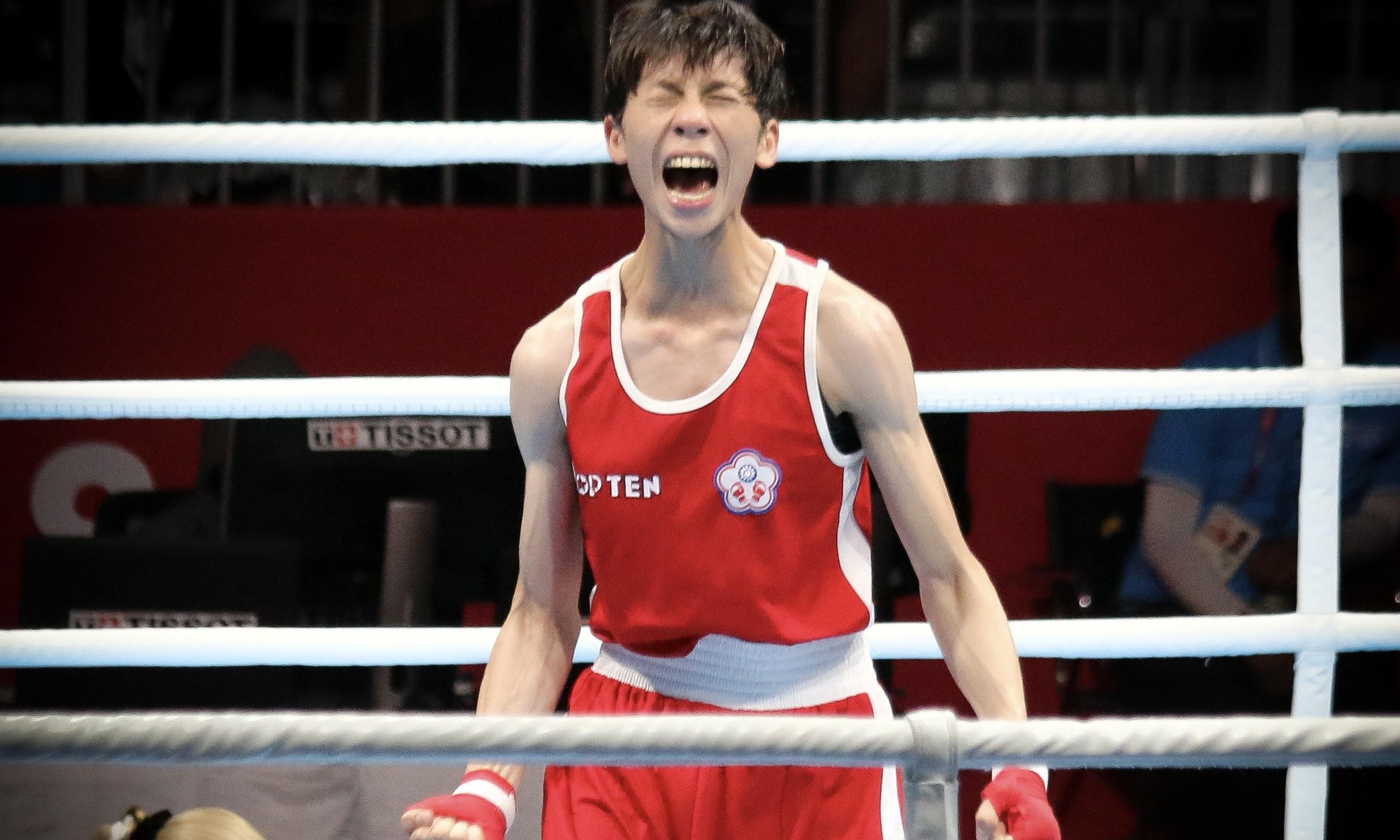
The upcoming women’s boxing final at the Olympics has sparked a heated controversy. The two athletes vying for the gold medal, Imane Khelif and Lin Yu-Ting, both have XY chromosomes. This revelation has ignited a widespread debate over the fairness of their participation in a women’s category, raising questions about the rules governing gender and competition in international sports.
Imane Khelif and Lin Yu-Ting, who have excelled in their respective bouts to reach the final, now find themselves at the center of a contentious issue that touches on the broader conversation about gender identity and competitive fairness. The fact that both athletes have XY chromosomes, traditionally associated with male genetics, has led to intense scrutiny of the rules that allowed them to compete in the women’s division.
Critics argue that the inclusion of athletes with XY chromosomes in women’s sports undermines the principle of fair competition, particularly in a physically demanding sport like boxing, where differences in muscle mass and strength can be decisive. They contend that allowing such athletes to compete in women’s categories could disadvantage those with XX chromosomes, traditionally associated with female genetics.
Supporters of Khelif and Lin, however, argue that their participation is in line with the International Olympic Committee’s (IOC) guidelines, which allow transgender women and those with differences in sexual development to compete in women’s events under certain conditions. These guidelines balance inclusivity with fairness, considering factors like testosterone levels and other physiological criteria.
The controversy has reignited debates that have been simmering in the sports world for years as more athletes who do not fit neatly into traditional gender categories come forward. As the pinnacle of global sports, the Olympic Games have increasingly become a focal point for these discussions, as they bring together competitors from diverse backgrounds and identities.
As the final match approaches, the tension surrounding this issue is palpable. The outcome of the bout will not only determine the winner of the gold medal but also likely fuel further debate over the rules and policies governing gender in sports. The IOC and other sports governing bodies may face renewed pressure to revisit and possibly revise their guidelines in light of the ongoing controversy.
The situation also underscores the challenges faced by athletes caught in the crossfire of these debates. For Khelif and Lin, their achievements in reaching the final are overshadowed by the questions surrounding their eligibility, placing them in an uncomfortable spotlight extending far beyond the boxing ring.







