


 Ecuador Court Convicts Ex-President Lenin Moreno in Bribery Case
  Synthetic data could ease people’s concerns about privacy breaches. But who gets to create it?
  DOJ Will Investigate AI-Related Crimes, Attorney General Blanche Says
  FBI Faces Historic Security Challenge Ahead of 2026 FIFA World Cup
  Trump Administration Plans Faster FDA Reviews for Smoke-Free Nicotine Products
  US Court Approves airBaltic Chapter 11 Restructuring
  China Tightens Fentanyl Rules Ahead of Trump-Xi Summit
  Trump Says ‘Freedom’ Is Coming to Cuba
  Najib Razak Granted House Arrest Until 2028
  US to Review Iran World Cup Travel Restrictions Ahead of Egypt Clash
  OpenAI Rejects Apple Trade Secret Theft Claims
  Paramount-Warner Bros $110 Billion Deal Draws Antitrust Backlash
  Sudan Rejects US Legitimacy Remarks, Defends Sovereignty
  Venezuela Promises Elections as Delcy Rodriguez Pledges Democratic Transition
  Trump Signs Executive Order Targeting Big-Money College Athlete Payouts
  Mexico-US Trade Talks Delayed to October as Tariff Negotiations Continue
  Meta Agrees to $18 Billion Settlement, Tightens Teen Social Media Rules


 Add as a preferred source on Google
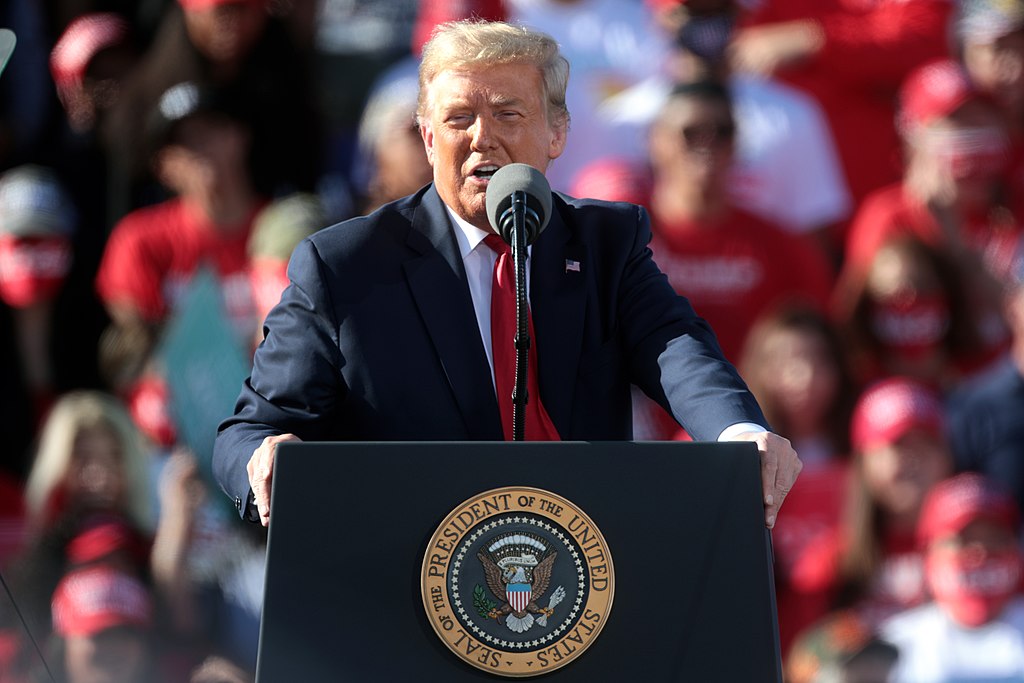
President Donald Trump's executive order restricting transgender women and girls from female sports lacks clear enforcement guidelines. States with similar laws struggle with implementation, relying on birth certificates, affidavits, or even invasive physical exams.
Enforcement challenges stem from difficulties in verifying an athlete's sex. Birth certificates can be changed, and physical inspections raise ethical concerns. Chris Mosier, a transgender athlete and founder of TransAthlete.com, warns that bans relying on sex testing harm all female athletes, particularly those perceived as "masculine."
Currently, 25 states have laws mirroring Trump's order, but only 12 specify procedures, mostly involving birth certificates. Idaho, the first state to enact such a law in 2020, required genetic, anatomical, or testosterone-based verification, but courts blocked its enforcement. Similar laws in West Virginia and Florida face legal battles, highlighting the legal and logistical complexities.
Experts criticize potential reliance on subjective reports from parents or peers, which could wrongly target cisgender girls based on appearance or athletic ability. Cheryl Cooky, a Purdue University professor, argues that testosterone testing is flawed and impractical for high schools.
Without a standardized method, concerns persist about invasive examinations, discrimination, and increased scrutiny on female athletes. Despite these issues, supporters argue the ban reinforces fairness in women's sports. Kristen Waggoner of Alliance Defending Freedom sees it as a crucial step in protecting female athletes' rights.
Legal disputes continue, and without a clear enforcement mechanism, schools and sports organizations face ongoing uncertainty. Critics argue that the policy risks harming all female athletes while failing to address competitive fairness effectively.







