


 Japan Private-Sector Growth Slows as Domestic Demand Weakens
  Mexico-US Trade Talks Delayed to October as Tariff Negotiations Continue
  SoftBank Shares Fall as Oracle Flags Stargate Data Center Delay Risk
  Apple Extends Qualcomm Patent Licensing Deal
  US Backs Musk in Fight Against EU’s €120 Million X Fine
  U.S. Treasury Yields Surge as 30-Year Hits 22-Year High
  US Stock Futures Fall as Treasury Yields Surge Ahead of Trump-Xi Summit
  Soybean Futures Slip as Traders Await Trump-Xi Trade Signals
  Solidigm Eyes $150 Billion IPO as SK Hynix Expands AI Storage Push
  Tesla Semi Rollout Begins at Nevada Factory
  Asian Stocks Fall as Surging Bond Yields Rattle Markets
  Oracle Shares Fall as New Mexico AI Data Center Faces Power Delays
  Trump, Xi Focus on Trade and AI at White House Summit
  SpaceXAI to Double Nvidia Chips at Colossus 2 by Year-End
  Oura IPO Draws Strong Demand Ahead of $2.2 Billion Offering
  Fed Unveils Stablecoin Rules Under GENIUS Act
  OpenAI to Preview GPT-6 Cyber AI Model for Cybersecurity


 Add as a preferred source on Google
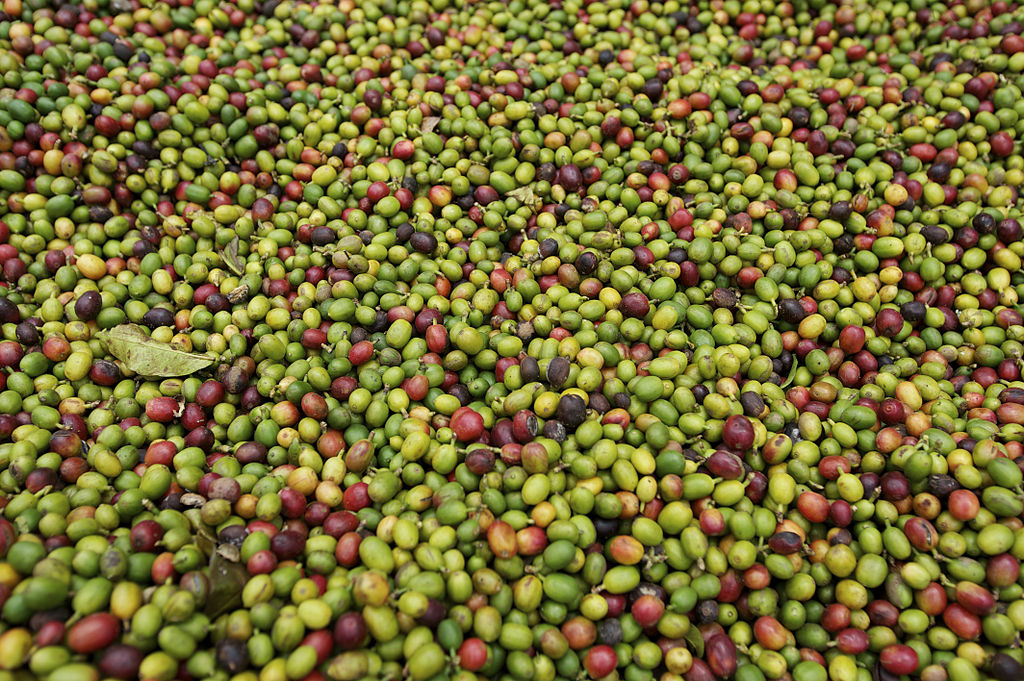
In the fertile highlands of eastern Democratic Republic of Congo (DRC), coffee farmers are watching their livelihoods collapse as conflict intensifies. Once-thriving Arabica coffee crops in North and South Kivu provinces are now rotting, with farmers unable to tend their land due to ongoing battles between government forces and Rwanda-backed M23 rebels.
The escalating violence has killed thousands, displaced hundreds of thousands, and disrupted key export routes. This crisis threatens to undo years of recovery for Congo’s coffee sector, which had been gaining international recognition for its premium beans.
According to United Nations data, DRC’s coffee production peaked at over 100,000 metric tons in the 1980s before plummeting during the wars of the 1990s. A resurgence in the past decade saw output reach 62,000 tons in 2023, driven by cooperatives like SOPACDI in South Kivu, which improved farming methods and global market connections.
Now, that progress is at risk. At Bukavu’s state-run coffee factory, drying beds sit empty. François Kambale Nzanzu, head of the provincial agriculture office, said banking issues and fighting have hindered exports despite abundant flowering of coffee trees this year.
On the ground, farmers like Mudekereza Kashugushu Celestin in Muganzo face devastating losses. Fallen trees and shriveled beans cover his plantation, leaving him unable to provide for his family. “I used to harvest $300 worth of coffee each year, but this year I only got $50,” he said.
The collapse of coffee production in one of Africa’s most promising coffee-growing regions highlights the broader economic toll of conflict in the DRC. Without stability and secure trade routes, Congo’s emerging coffee industry risks sliding back into decline.







