


 SoftBank and Intel Partner to Develop Next-Generation Memory Chips for AI Data Centers
  Google Cloud and Liberty Global Forge Strategic AI Partnership to Transform European Telecom Services
  OpenAI Expands Enterprise AI Strategy With Major Hiring Push Ahead of New Business Offering
  Oracle Plans $45–$50 Billion Funding Push in 2026 to Expand Cloud and AI Infrastructure
  Sony Q3 Profit Jumps on Gaming and Image Sensors, Full-Year Outlook Raised
  SpaceX Updates Starlink Privacy Policy to Allow AI Training as xAI Merger Talks and IPO Loom
  Nintendo Shares Slide After Earnings Miss Raises Switch 2 Margin Concerns
  SoftBank Shares Slide After Arm Earnings Miss Fuels Tech Stock Sell-Off
  Instagram Outage Disrupts Thousands of U.S. Users
  Nvidia, ByteDance, and the U.S.-China AI Chip Standoff Over H200 Exports
  Global PC Makers Eye Chinese Memory Chip Suppliers Amid Ongoing Supply Crunch
  SpaceX Pushes for Early Stock Index Inclusion Ahead of Potential Record-Breaking IPO
  SpaceX Prioritizes Moon Mission Before Mars as Starship Development Accelerates
  Jensen Huang Urges Taiwan Suppliers to Boost AI Chip Production Amid Surging Demand


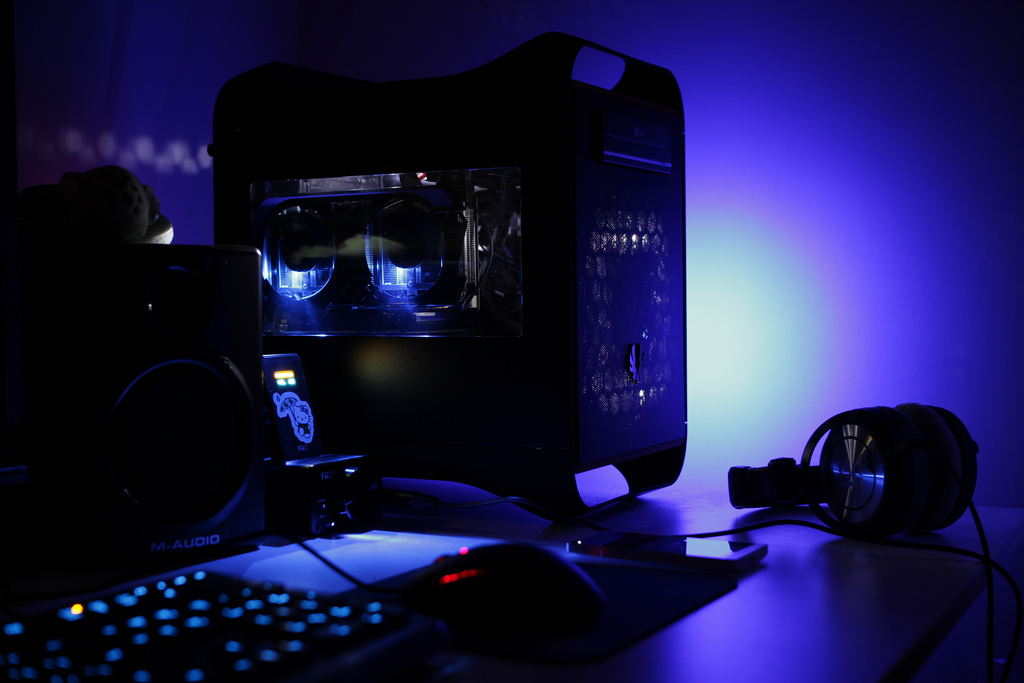
Games as a service (GaaS) is a business trend in the video game industry that is quickly catching on, with publishers basically cranking out fewer games and milking players for as long as possible. However, one company seems intent on taking this a whole new level with a PC gaming rental service where the rig is off-site and the game is basically streamed to the customer’s device.
The company is Blade Shadow and its Shadow subscription service has actually achieved quite the following in France, with about 5,000 subscribers, CNET reports. During CES 2018, the company announced that it will be bringing this service to California on February 15th.
As to how it would even work, the company will basically have a high-end Windows 10 PC that will be kept in a remote site. For a monthly fee, users can access this rig to play games via streaming through Wi-Fi. It’s best to think of it as a powerful computer tucked away somewhere, which can then be accessed by any device, including phones, tablets, and even Smart TVs.
The most obvious advantage to a setup like this is the fact that it won’t require direct maintenance by the users. Blade will handle all of the updates, hardware and firmware maintenance, and security. All the customer would have to do is pay the fees.
Speaking of which, being a Shadow subscriber will cost users up to $420 a year, with an initial one-year commitment. Now, while that amount might translate to $35 a month, subscribing for less than a year could lead to higher costs. For example, a three-month subscription could amount to $120 or $40 a month, while subscribing for just one month each time comes with a $50 monthly fee.
As Polygon points out, each subscriber will not be sharing rigs. Rather, each customer will have their own dedicated gaming PC and they are assured access to the latest games with the best graphics for as long as they are subscribed to the service.
Of course, there are some downsides to this kind of setup. For one thing, gamers are paying for a rig that they will never own. There’s also the matter of slow internet connections or interruptions that can interfere with immersion. Latency could also be a problem, especially for games with online, multiplayer components.













